 By
By Exploring what makes Hawaii’s Big Island a distinctly different experience from its most famous neighbor
Travelers who have experienced Oahu’s bustling beaches and iconic Waikiki skyline often wonder whether Kona is worth visiting on a subsequent Hawaiian vacation. The comparison between Kona vs Oahu reveals two fundamentally different island experiences, each offering distinct landscapes, activities, and cultural atmospheres. While Oahu serves as Hawaii’s urban and commercial center with approximately 70 percent of the state’s population, the Kona Coast on Hawaii’s Big Island presents a more geologically active, less developed, and arguably more diverse natural environment that many visitors find compelling for entirely different reasons than what drew them to Oahu.
Landscape & GeographyThe Big Island’s Volcanic Terrain Creates a Unique Environment
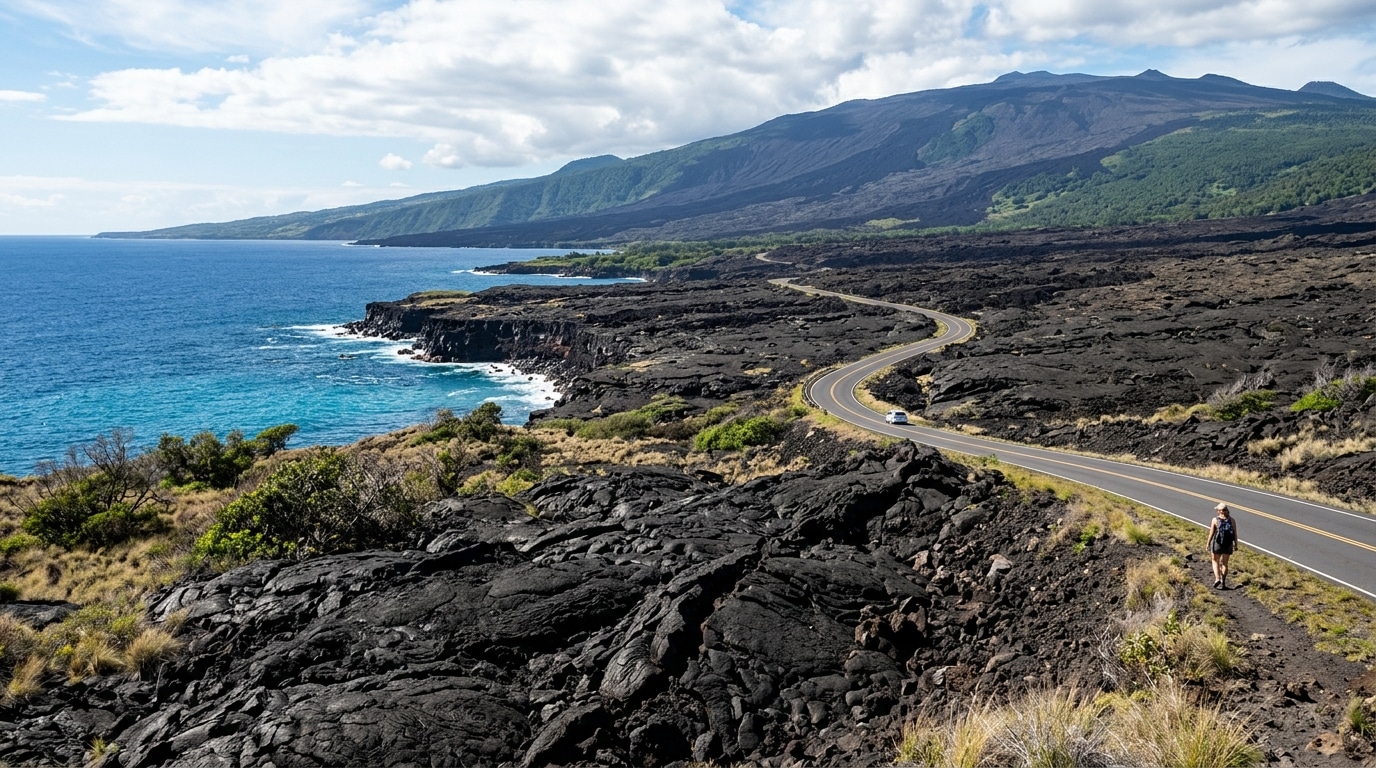
Hawaii Island, commonly called the Big Island, is the youngest and largest island in the Hawaiian archipelago, encompassing approximately 4,028 square miles of land area. This makes it nearly twice the size of all other Hawaiian islands combined. The Kona Coast occupies the western side of the island, characterized by dramatic lava fields, relatively dry weather, and coastal waters known for exceptional clarity. Unlike Oahu’s lush windward valleys and the developed infrastructure surrounding Honolulu, the Big Island’s landscape includes active volcanic zones, snow-capped summits at Mauna Kea and Mauna Loa, and eleven of the world’s thirteen climate zones.
Visitors arriving from Oahu immediately notice the stark contrast in terrain. Where Oahu features tropical greenery along the North Shore and Windward Coast, much of the Kona side displays dark volcanic rock formations from historical lava flows. Hawaii Volcanoes National Park, located on the island’s eastern side but accessible from Kona, offers the opportunity to witness active volcanism at Kilauea, one of the most continuously active volcanoes on Earth. This geological diversity simply does not exist on Oahu.
Urban infrastructure centered around Honolulu. Famous beaches including Waikiki and North Shore. Approximately 1,545 square miles including offshore waters. Home to Pearl Harbor and numerous historical sites. Dense tourist development in key areas.
Rural and small-town atmosphere along the coast. Active volcanic landscapes and lava formations. Part of the 4,028-square-mile Big Island. Access to diverse climate zones and elevations. Less concentrated tourist infrastructure with wider spacing between attractions.
Snorkeling, Diving, and Ocean Experiences Along the Kona Coast

The Kona Coast has earned an international reputation for marine activities, particularly snorkeling and scuba diving. Kealakekua Bay, a marine life conservation district, is frequently cited among the top snorkeling destinations in Hawaii due to its protected status and abundant fish populations. The bay also holds historical significance as the site where Captain James Cook was killed in 1779. Unlike many of Oahu’s accessible beaches, reaching Kealakekua Bay’s prime snorkeling areas typically requires a boat, kayak, or a moderately strenuous hike down the Captain Cook Monument Trail.
The manta ray night dive and snorkel experience offered along the Kona Coast represents an activity not available on Oahu. Operators take visitors to locations where manta rays, attracted by plankton drawn to underwater lights, perform feeding patterns at close range. This experience has become one of the Big Island’s signature attractions. Additionally, Kona’s waters are known for deep-sea sportfishing, with the Hawaiian International Billfish Tournament held annually in Kailua-Kona since 1959, attracting anglers pursuing Pacific blue marlin and other pelagic species.
The Kona Coast generally experiences calmer ocean conditions and clearer water visibility than many Oahu locations, particularly during summer months. This is attributed to the coast’s position on the island’s leeward side, which receives protection from prevailing trade winds. However, conditions vary seasonally, and Oahu also offers excellent snorkeling at locations like Hanauma Bay, which has been a protected marine conservation area since 1967.
Kona Coffee Country and Agricultural Tourism
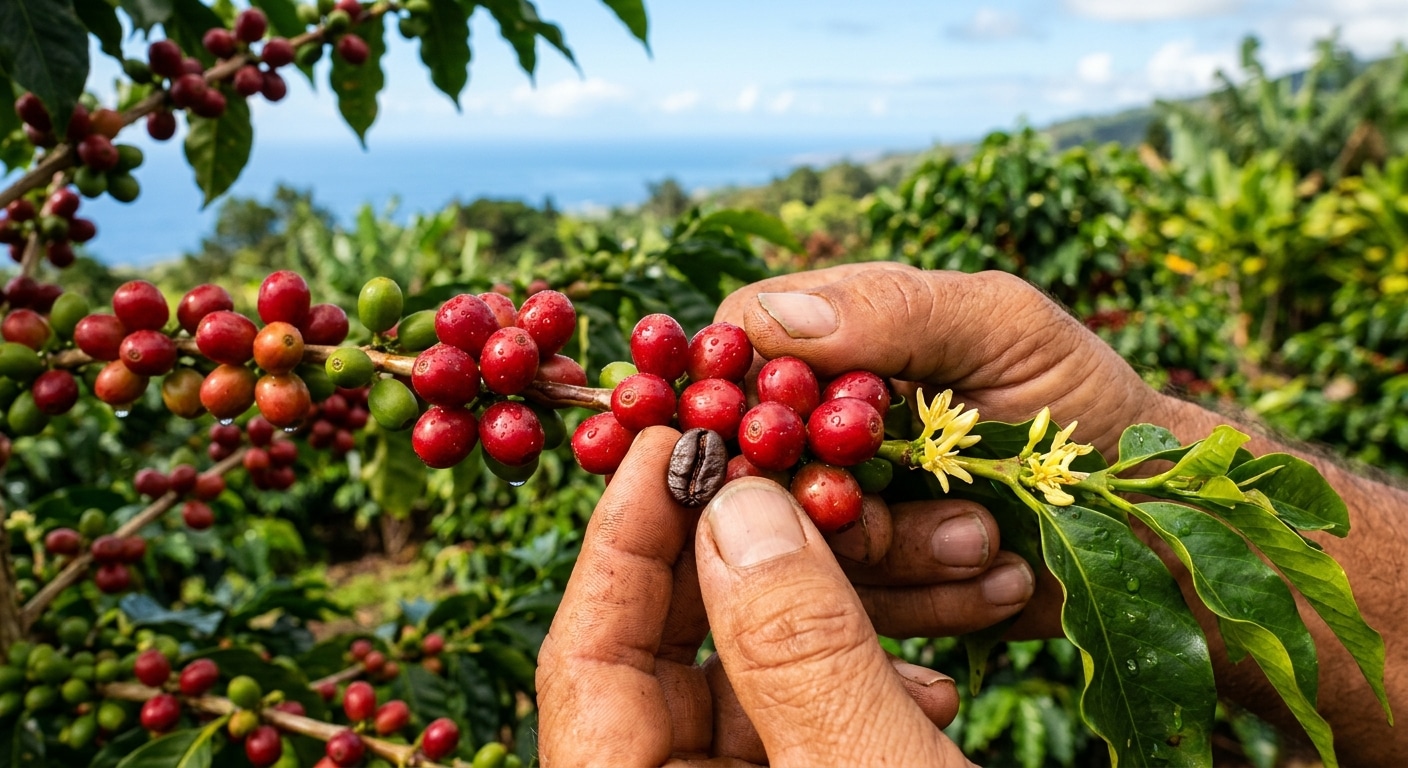
The Kona Coffee Belt, a narrow strip of land on the slopes of Hualalai and Mauna Loa between approximately 800 and 2,500 feet elevation, produces coffee beans that have achieved global recognition. Kona coffee has been cultivated in this region since the 1820s, and the designation “100% Kona Coffee” is protected by Hawaiian law to ensure authenticity. Numerous farms along the Mamalahoa Highway offer tours where visitors can observe coffee cultivation, processing, and roasting operations. This agricultural tourism sector has no equivalent on Oahu, making it a distinctive draw for visitors interested in specialty food production.
Beyond coffee, the Big Island’s agricultural diversity includes macadamia nut farms, tropical fruit orchards, and cattle ranches in the Waimea area. Parker Ranch, established in 1847, is one of the oldest and largest cattle ranches in the United States and remains an active operation. This ranching heritage contributes to a different cultural atmosphere than visitors encounter in Oahu’s urban centers or beach resort areas.
Astronomy & ScienceStargazing and Summit Access at Mauna Kea
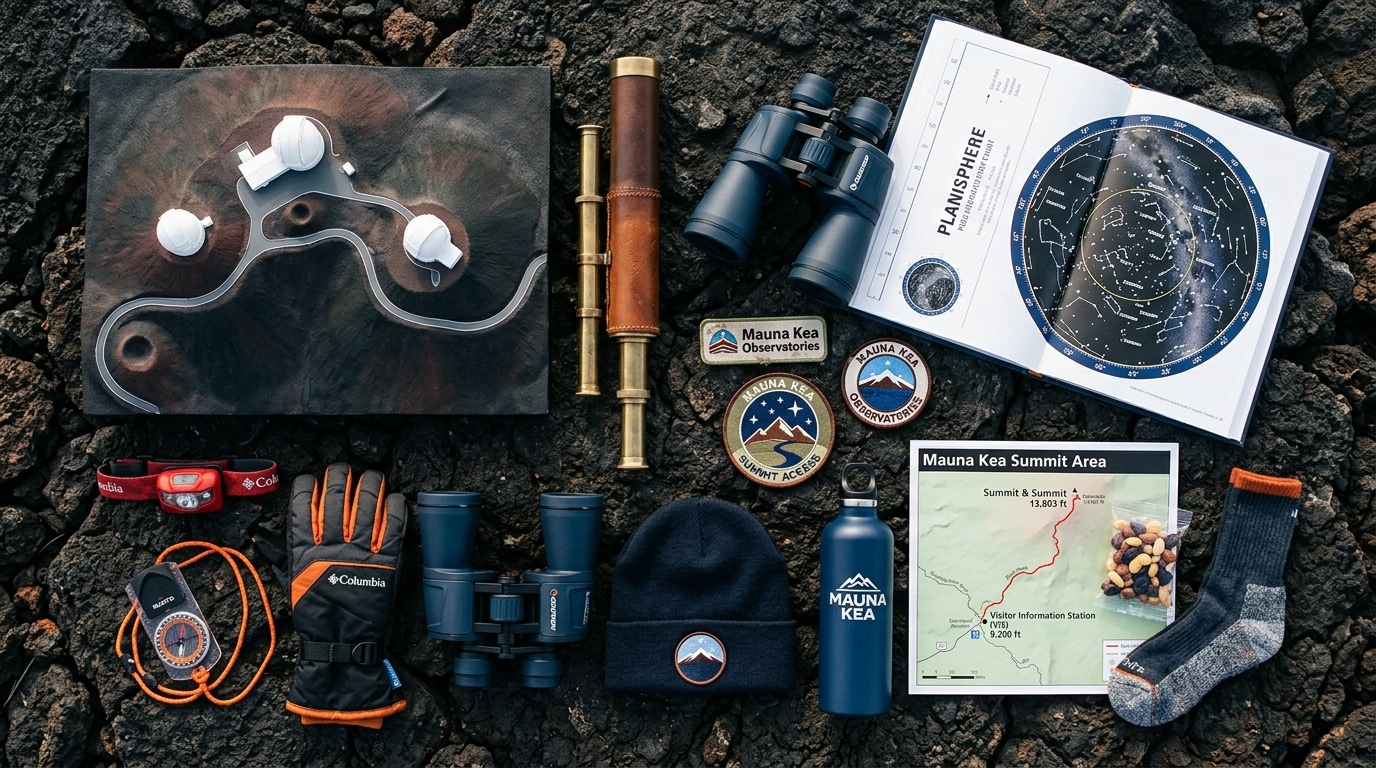
Mauna Kea, rising 13,796 feet above sea level and approximately 33,500 feet from its oceanic base, hosts an array of international astronomical observatories. The summit’s elevation, dry atmospheric conditions, and distance from urban light pollution make it one of the premier locations for ground-based astronomy on Earth. While public access to the summit area has been subject to ongoing discussions regarding cultural and environmental considerations, the Mauna Kea Visitor Information Station at approximately 9,200 feet elevation offers stargazing programs and serves as an acclimation point for visitors.
This astronomical access represents an experience fundamentally unavailable on Oahu. Visitors can observe celestial phenomena through telescopes provided by station staff during evening programs. The journey to Mauna Kea from Kona also traverses multiple climate zones, from coastal tropics through grasslands to subalpine conditions, providing a compressed sample of the Big Island’s ecological diversity within a single drive.
The Mauna Kea observatories, operated by institutions from eleven countries, have contributed to numerous astronomical discoveries including the identification of the first Kuiper Belt objects and observations supporting the accelerating expansion of the universe.