 By
By Mistakes Tourists Make When Visiting the Big Island of Hawaii
Common planning errors and on-island missteps that can diminish your Hawaiian adventure
The Big Island of Hawaii presents visitors with a landscape unlike anywhere else on Earth, featuring active volcanoes, black sand beaches, snow-capped mountains, and lush rainforests all within a single island spanning over four thousand square miles. Yet despite its allure, many tourists make avoidable mistakes when visiting the Big Island that can transform a dream vacation into a frustrating experience. From underestimating travel distances to ignoring local customs and safety warnings, these errors often stem from inadequate preparation or misconceptions about what the island offers. Understanding these common pitfalls before departure allows travelers to maximize their time, respect the land and its people, and create memories that reflect the true spirit of aloha.
Underestimating the Island’s Sheer Size and Driving Distances
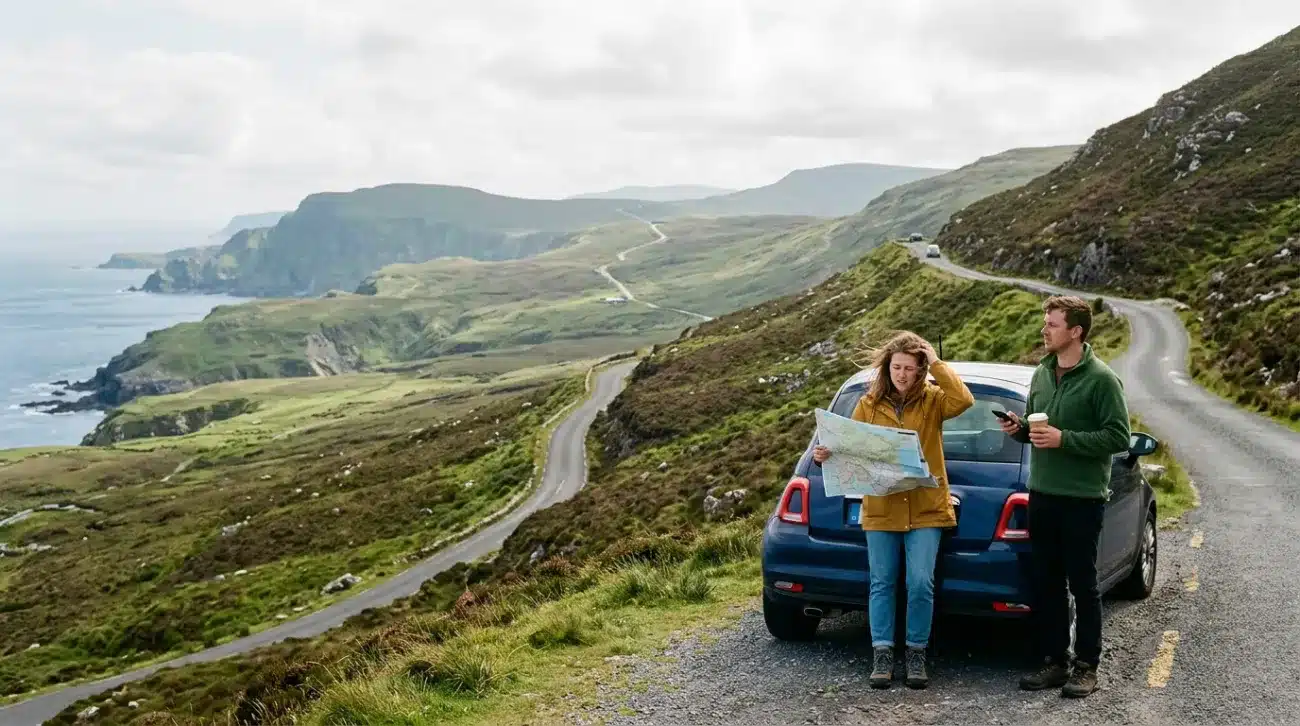
Perhaps the most widespread mistake tourists make is failing to grasp just how large the Big Island actually is. As the largest island in the Hawaiian chain, it is nearly twice the size of all the other Hawaiian islands combined. The island encompasses eleven of the world’s thirteen climate zones, which means landscapes shift dramatically as you travel from one region to another. Many visitors arrive with ambitious itineraries that attempt to see multiple distant attractions in a single day, only to discover that a trip from Kona to Hilo takes approximately two and a half hours each way along winding coastal and mountain roads.
This miscalculation leads to rushed experiences, exhaustion, and missed opportunities to truly appreciate each location. Rather than racing across the island, experienced travelers recommend selecting a home base and exploring nearby attractions thoroughly before venturing to distant regions. Alternatively, splitting accommodations between the west and east sides of the island allows for more relaxed exploration without marathon driving sessions that consume precious vacation hours.
The Big Island covers approximately 4,028 square miles, making it larger than the state of Rhode Island and nearly twice the combined area of all other Hawaiian islands.
Skipping the Rental Car or Choosing the Wrong Vehicle Type
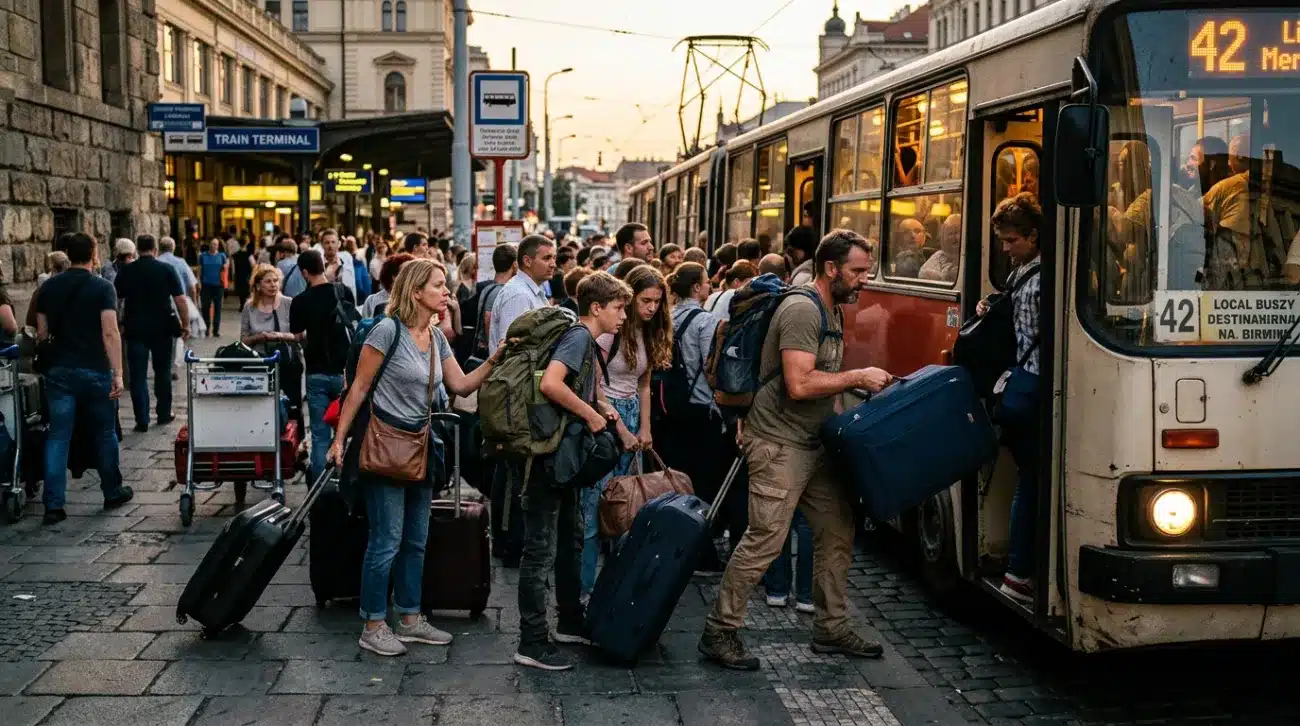
Unlike some Hawaiian islands where resort shuttles and rideshare services provide adequate transportation, the Big Island genuinely requires a rental car for meaningful exploration. Public transportation exists but remains extremely limited, and rideshare availability outside major towns is inconsistent at best. Tourists who attempt to navigate the island without personal transportation find themselves confined to small areas, dependent on expensive tour operators for every excursion, and unable to access many of the island’s most spectacular sights.
Equally problematic is selecting an inappropriate vehicle. While compact cars suffice for paved highway travel, certain Big Island attractions require four-wheel drive vehicles. The road to Mauna Kea’s summit, for instance, involves steep grades and unpaved sections that rental agreements typically prohibit standard vehicles from traversing. Similarly, some beach access roads and rural areas feature conditions that challenge low-clearance sedans. Reviewing planned destinations before selecting a vehicle prevents disappointment and potential safety issues.
Best for highway travel and budget-conscious visitors staying on paved roads
Essential for Mauna Kea summit access and remote beach roads
Popular but impractical for unpredictable weather across climate zones
Ignoring Ocean Safety Warnings and Dangerous Conditions
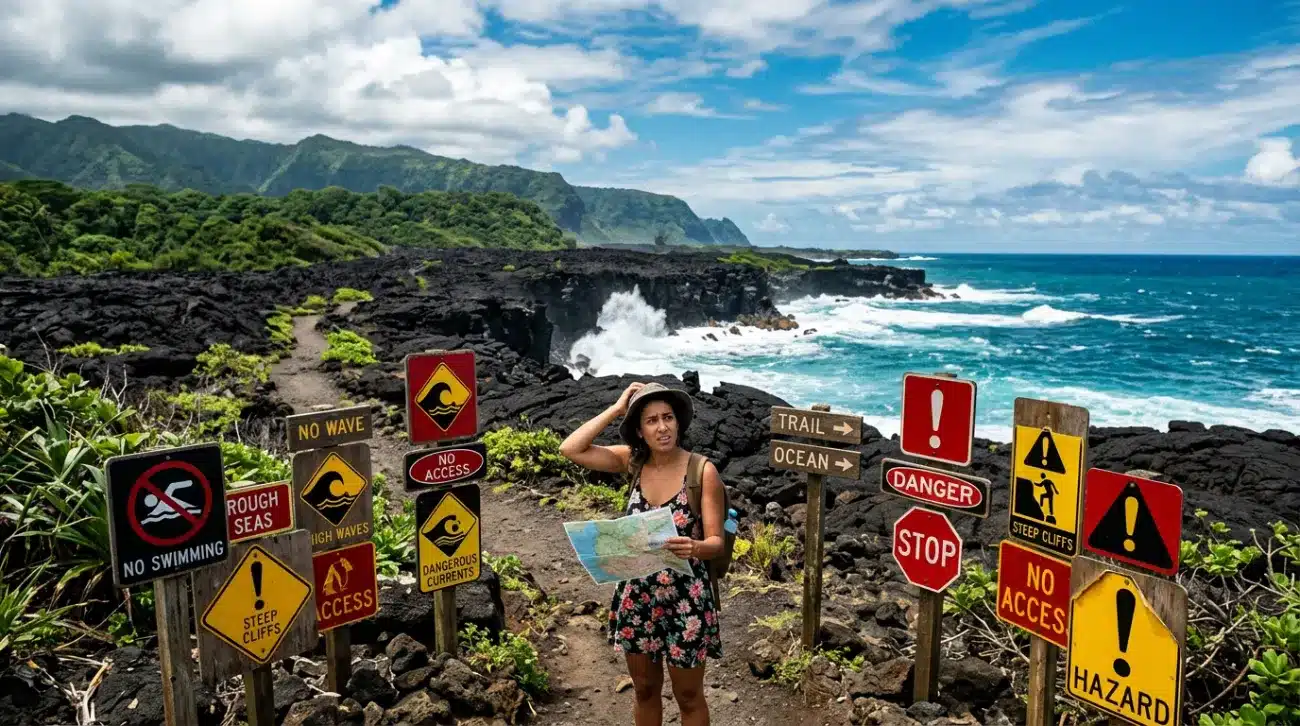
The Big Island’s beaches present stunning beauty alongside genuine hazards that claim lives every year. Tourists frequently underestimate the power of Hawaiian waves and currents, particularly those accustomed to calmer waters elsewhere. The island’s coastline features sudden drop-offs, strong rip currents, and unpredictable shore breaks that can overpower even experienced swimmers. Warning signs posted at beaches exist for critical safety reasons, yet visitors routinely ignore them, often with tragic consequences.
High surf advisories warrant particular attention, as wave heights can change dramatically within hours. Beaches considered safe on calm days become extremely dangerous when swells arrive. Additionally, certain locations like the Waipio Valley beach and various black sand beaches present persistent hazards regardless of conditions. Before entering any water, checking current ocean conditions through official sources and heeding all posted warnings represents the most important safety step any visitor can take.
Ocean Safety Resources
Hawaii County maintains beach safety information and current conditions through official channels. Lifeguards are stationed at select beaches only, so many popular swimming spots have no professional supervision. When in doubt, observe local swimmers and ask residents about current conditions before entering the water.
Touching Wildlife and Disturbing Protected Marine Animals
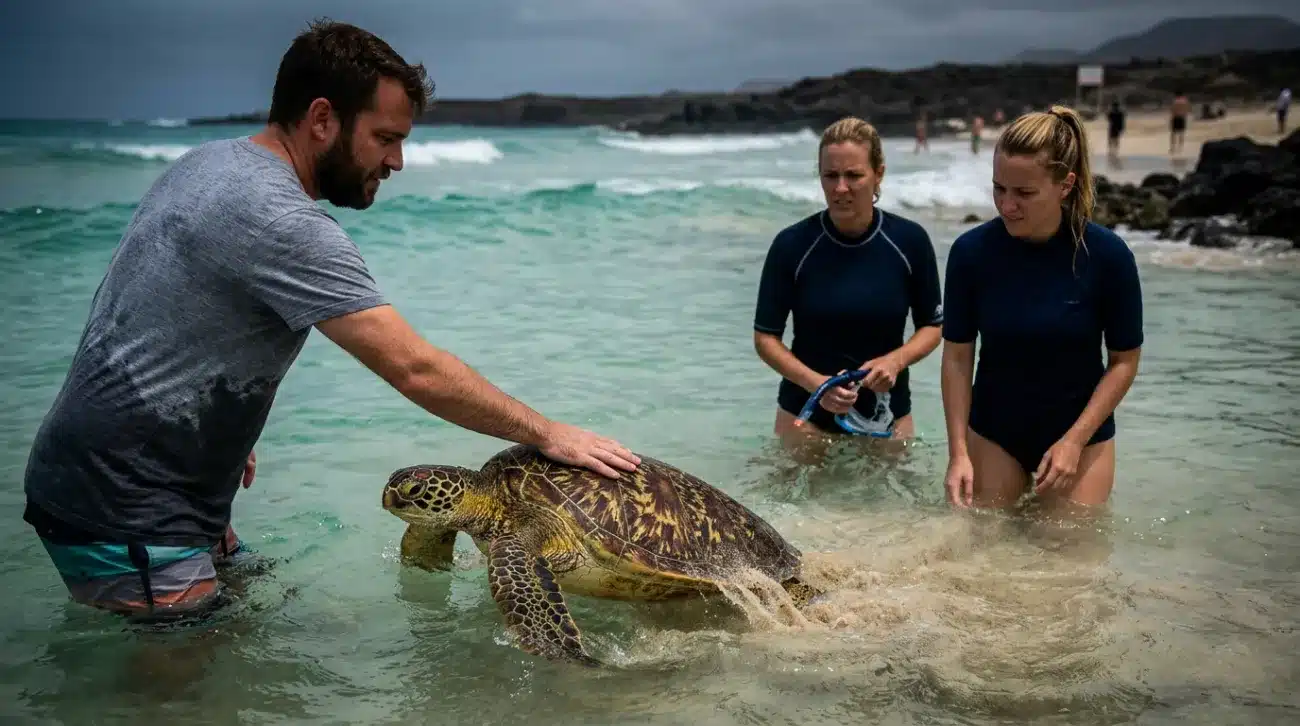
Encounters with Hawaiian green sea turtles, spinner dolphins, manta rays, and humpback whales draw countless visitors to the Big Island each year. However, the impulse to get close to these magnificent creatures leads many tourists to violate federal and state wildlife protection laws. Hawaiian green sea turtles, known locally as honu, are protected under the Endangered Species Act, and approaching within close proximity or touching them constitutes a federal offense carrying substantial fines.
Similarly, regulations protect Hawaiian spinner dolphins from harassment during their daytime resting periods in nearshore waters. Swimming with dolphins may seem like a magical experience, but disrupting their essential rest cycles causes cumulative harm to populations. The same applies to approaching humpback whales during their winter breeding season in Hawaiian waters. Responsible wildlife viewing means maintaining distance, never chasing or cornering animals, and appreciating encounters that occur naturally without human interference.
Disrespecting Sacred Sites and Hawaiian Cultural Practices

The Big Island holds profound spiritual significance in Hawaiian culture, containing numerous heiau (ancient temples), burial grounds, and sacred natural features. Tourists sometimes treat these locations as mere photo opportunities, climbing on restricted structures, removing rocks as souvenirs, or ignoring signage requesting respectful behavior. Such actions not only violate laws protecting cultural sites but also deeply offend Native Hawaiians whose ancestors built and maintained these places of worship.
The practice of taking lava rocks from Hawaii Volcanoes National Park exemplifies this issue. Beyond the illegality of removing any natural or cultural artifacts from national parks, Hawaiian tradition holds that removing rocks angers Pele, the goddess of volcanoes, bringing misfortune to the taker. Park rangers report receiving packages of returned rocks regularly from visitors who experienced difficulties and wished to undo their actions. Respecting kapu (prohibitions), staying on designated paths, and treating sacred spaces with the same reverence you would show any religious site demonstrates the aloha spirit visitors should embody.
Cultural Awareness Reminder
When visiting any Hawaiian cultural site, observe posted guidelines carefully. If offerings such as flowers, wrapped items in ti leaves, or stones are present, do not disturb them. Photography restrictions exist at certain sacred locations and should be honored. When uncertain whether an action is appropriate, err on the side of caution and restraint.