 By
By Packing Only for Tropical Weather and Ignoring Elevation Changes
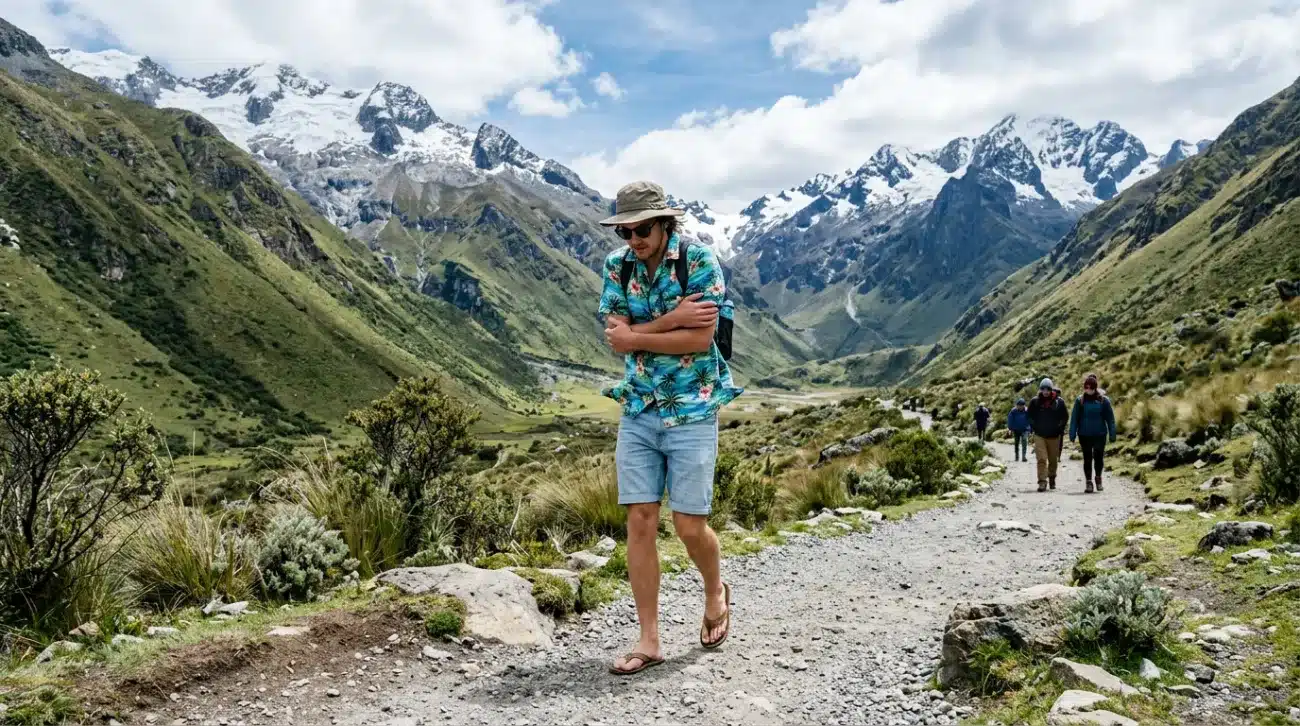
Visitors arriving with suitcases full of swimwear, shorts, and sandals discover quickly that the Big Island’s diverse elevations create wildly varying conditions. While coastal areas maintain warm tropical temperatures year-round, the summit of Mauna Kea sits above 13,000 feet where temperatures regularly drop below freezing and snow falls during winter months. Even mid-elevation destinations like Hawaii Volcanoes National Park, which sits around 4,000 feet, experience notably cooler temperatures, frequent rain, and mist that leave unprepared visitors shivering.
Smart packing for the Big Island includes layers suitable for temperatures ranging from the eighties at beach level to near freezing at high elevations. A waterproof jacket proves invaluable on the windward Hilo side and in the park, where rain falls frequently. Sturdy closed-toe shoes become essential for hiking lava fields, where sharp rock can slice through flimsy footwear. Those planning Mauna Kea summit visits need genuine cold-weather gear including warm jackets, hats, and gloves, along with awareness of altitude sickness symptoms that affect many visitors at such heights.
Failing to Plan for Limited Food Options in Remote Areas
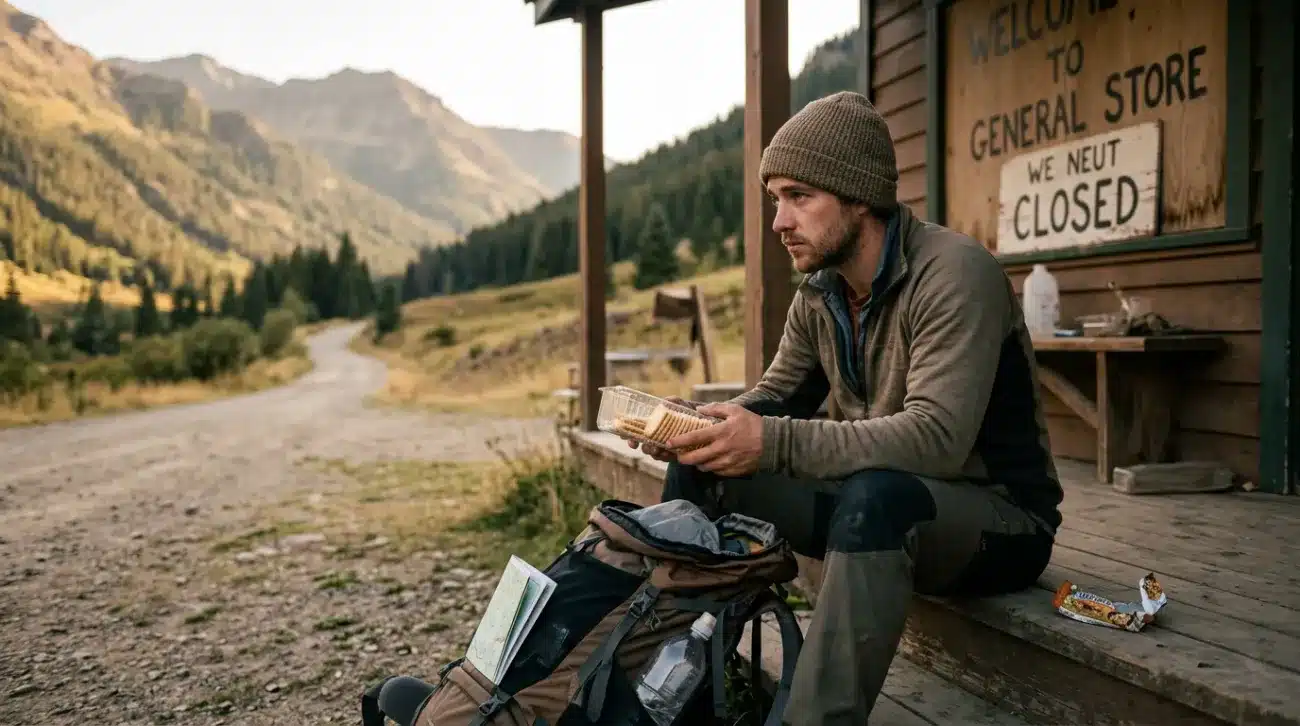
The Big Island contains vast stretches where restaurants, grocery stores, and even gas stations simply do not exist. Tourists accustomed to finding food readily available discover that certain routes and attractions require advance provisioning. Driving the northern route between Kona and Hilo, for example, passes through long sections with virtually no commercial services. Similarly, South Point and other remote locations offer little to no food purchasing options.
This scarcity extends to dining hours as well. Many restaurants outside major towns close earlier than mainland visitors expect, and Sunday closures remain common in some communities. Planning day trips with packed lunches, snacks, and sufficient water prevents both hunger and the frustration of arriving at an anticipated meal stop only to find it closed or nonexistent. Additionally, keeping extra water in the rental car addresses both hydration needs during warm days and emergency situations should unexpected delays occur.
Overscheduling Activities Without Rest and Flexibility
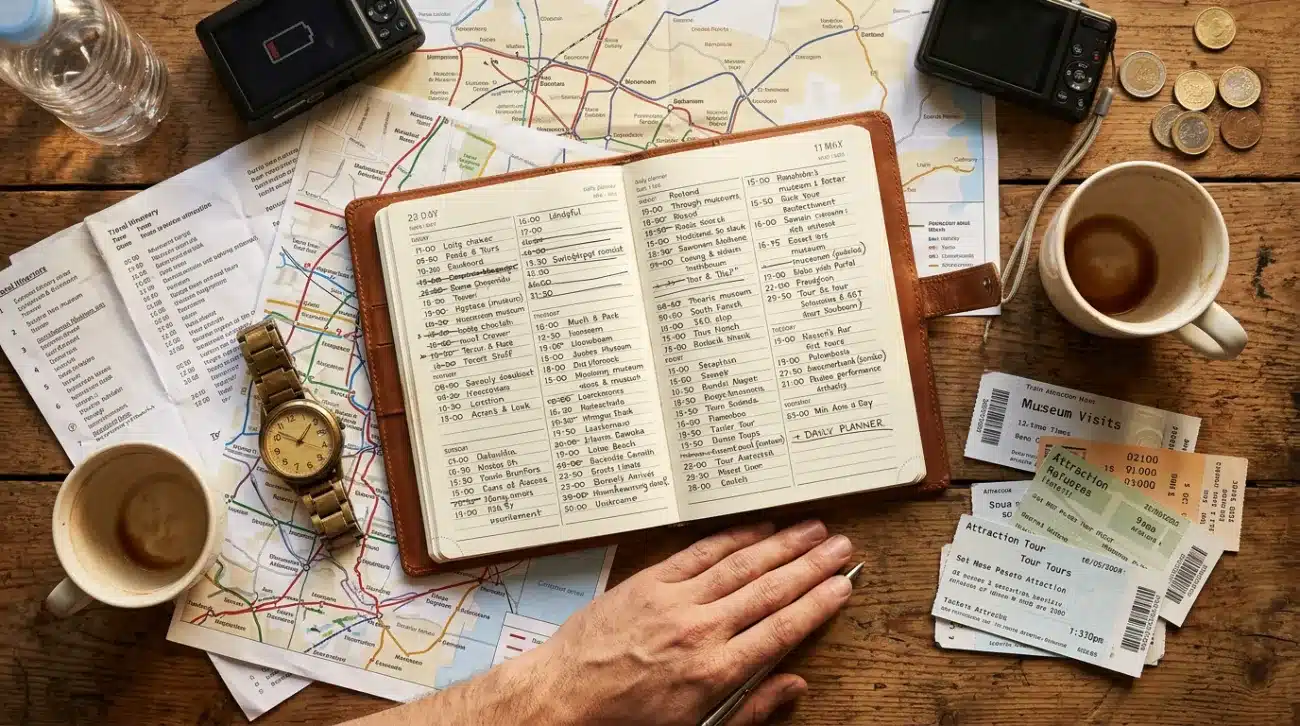
The abundance of Big Island attractions tempts visitors into cramming every waking hour with scheduled activities, tours, and sightseeing. This approach ignores the reality that meaningful experiences often arise spontaneously and that exhaustion diminishes enjoyment of even the most spectacular sights. Booking back-to-back snorkeling tours, luaus, helicopter rides, and guided hikes leaves no room for the unexpected discoveries that frequently become trip highlights.
Additionally, rigid schedules cannot accommodate the island’s unpredictable conditions. Volcanic activity levels change, weather closes roads and beaches, and wildlife appearances follow their own timing. Travelers who allow flexibility can adjust plans to capitalize on optimal conditions when they occur. Building in genuine downtime also permits recovery from jet lag affecting mainland visitors and allows appreciation of the relaxed pace that defines island life. The Big Island rewards those who slow down and remain present rather than racing from one attraction to the next.
Consider selecting one or two main activities per day maximum, allowing time for spontaneous exploration, unexpected discoveries, and simply absorbing the unique atmosphere each region offers.
Embracing the Aloha Spirit for a Memorable Island Experience

The Big Island of Hawaii offers experiences found nowhere else on Earth, from witnessing active volcanic creation to swimming with manta rays under starlit skies. Avoiding the common mistakes outlined here requires nothing more than thoughtful preparation, respect for the land and its people, and willingness to adapt expectations to island realities. Those who arrive with patience, cultural sensitivity, and appropriate gear discover an island that rewards mindful visitors with unforgettable encounters. The true spirit of aloha—encompassing love, peace, compassion, and mutual respect—flows naturally when tourists approach Hawaii not as a destination to conquer but as a living place with its own rhythms, traditions, and wisdom to share.