 By
Travel & Destination Guide
Incredible Places on the Big Island That Look Like Another Planet
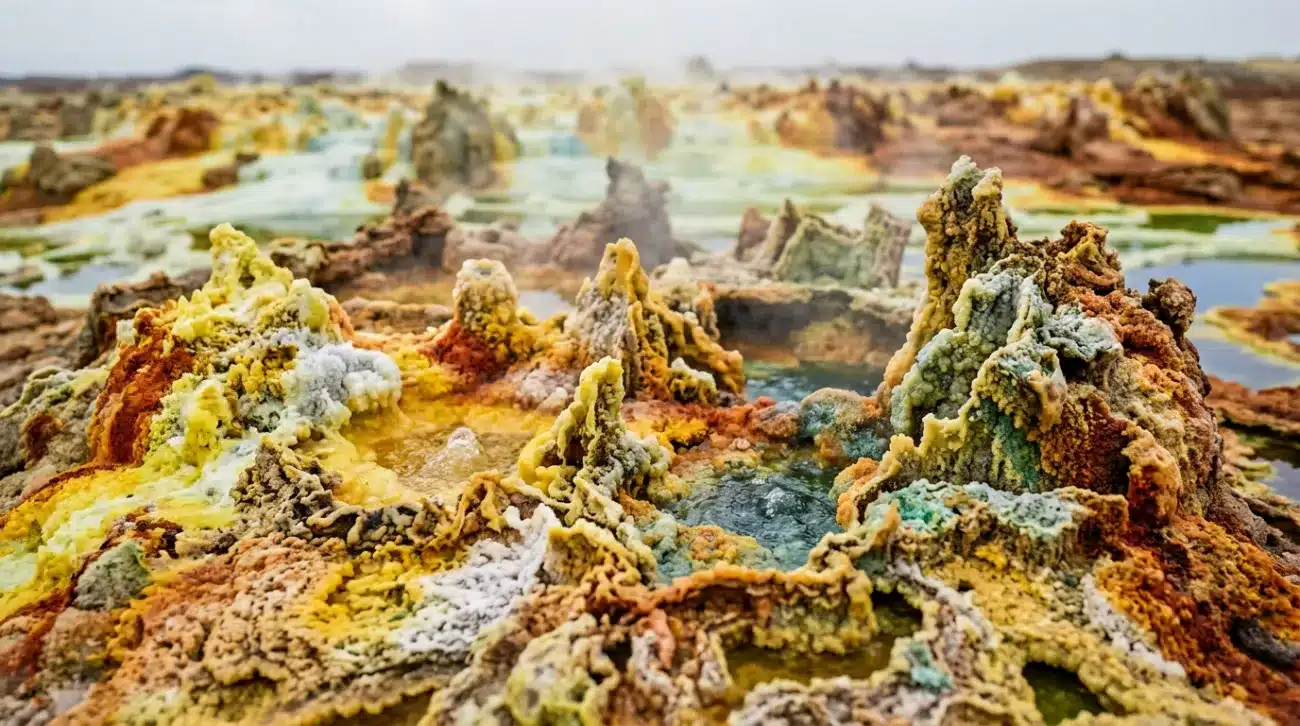
From lava fields and steaming craters to high-altitude summits and colored sand, here is where Hawaiʻi Island’s volcanic landscape feels truly out of this world.
The incredible places on the Big Island that look like another planet are not the product of special effects but of ongoing geology. Hawaiʻi Island is built from five volcanoes, and its youngest terrain is still being shaped by eruptions, erosion and the slow return of life to bare rock. Visitors staying in Kailua-Kona can find black lava plains, cratered summits, green and black sand beaches and hidden lava tubes within a day’s reach. This guide walks through the most striking landscapes, what makes each one feel so alien, and how to explore them safely and respectfully.
Why the Big Island’s Volcanic Landscape Feels Otherworldly
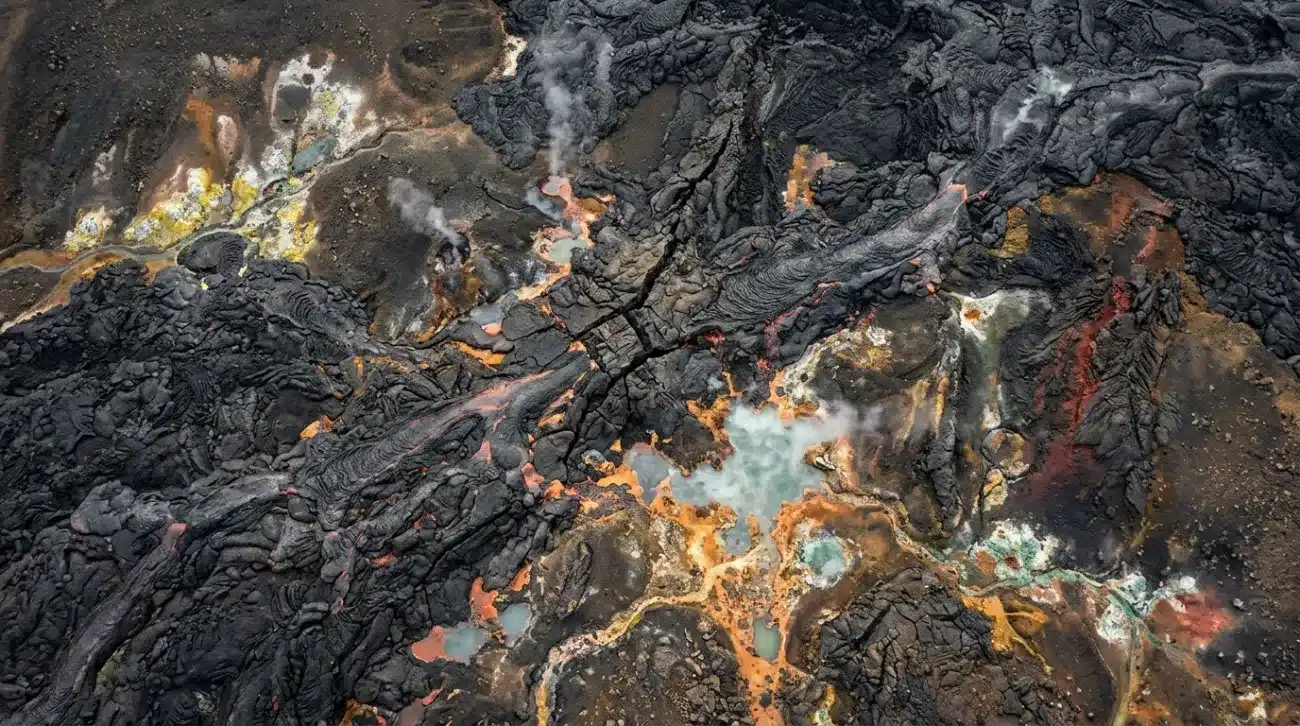
The island is formed by five volcanoes: Kohala, Mauna Kea, Hualālai, Mauna Loa and Kīlauea. Because they are at different stages of life, the island offers a rare mix of terrain, from eroded, green and ancient-feeling slopes to raw, black lava that looks freshly poured. Kīlauea and Mauna Loa are among the world’s best-known active volcanoes, and the island continues to grow as lava reaches the surface.
Several features add to the sense of being somewhere else. Fresh basalt is dark and often glassy, with little soil or vegetation. Lava flows can harden into ropey, twisted textures or sharp, jagged surfaces, and volcanic gases and steam can alter the surrounding rock and air. Add elevation changes that carry visitors from tropical shoreline to cold, thin-air summits, and the island produces landscapes that people often compare to the Moon or Mars. NASA and other research groups have used Hawaiian volcanic terrain as a testing ground for planetary exploration, which says something about how closely it resembles landscapes beyond Earth.
Hawaiʻi Volcanoes National Park: Craters, Steam Vents and Living Lava Country
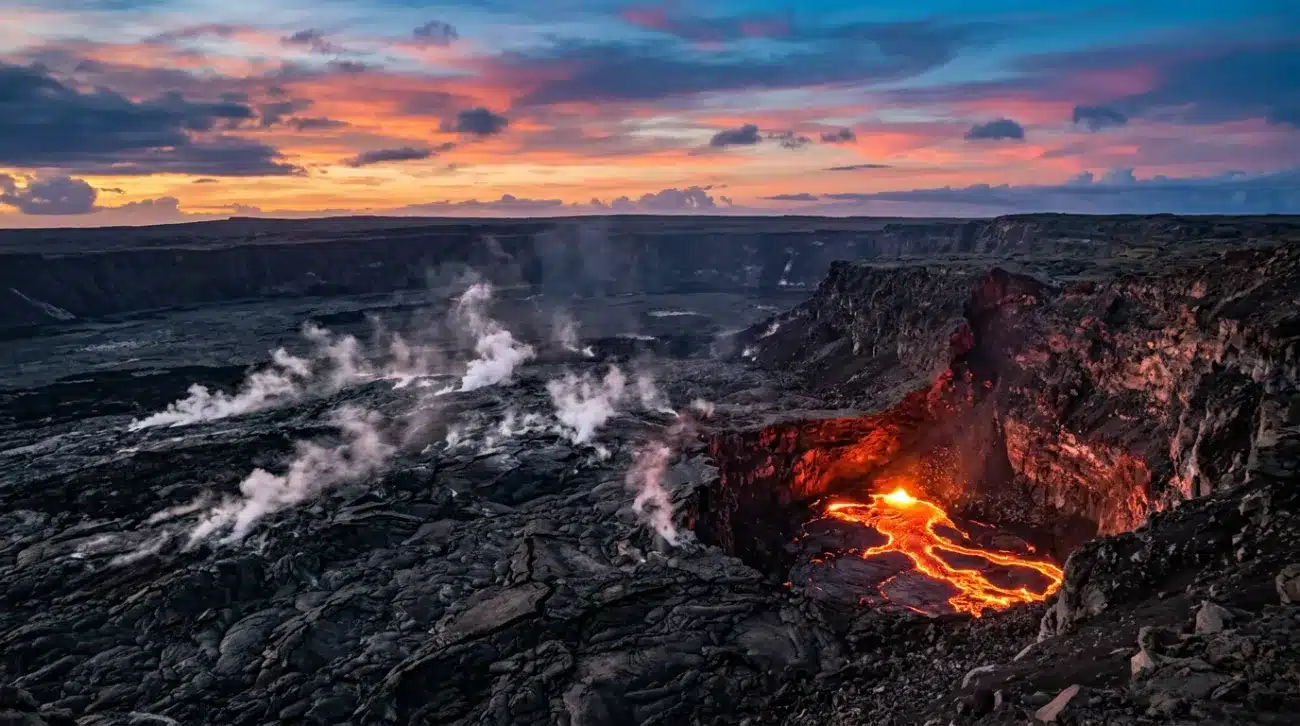
For many travelers, Hawaiʻi Volcanoes National Park is the first stop on any search for alien scenery. The park protects parts of Kīlauea and Mauna Loa, and its landscapes shift dramatically from one viewpoint to the next. The summit area of Kīlauea includes a large caldera with Halemaʻumaʻu crater, long associated with Hawaiian traditions surrounding Pele, the volcano deity. Steaming ground and vents are visible in some areas, and the broad crater rim offers views over a vast, barren basin.
Elsewhere in the park, trails cross hardened lava floors, pass through rainforest and descend into older craters. Walking across a cooled lava surface, with steam rising in the distance, is one of the most memorable experiences on the island. Chain of Craters Road descends toward the coast through lava flows from different eras, ending where past eruptions have covered sections of the road. Along the way are pit craters, lava fields and coastal cliffs shaped by relentless waves.
Conditions here can change quickly. Eruption activity, volcanic gas and weather can all lead to closures or restrictions, so the National Park Service website is the most reliable place to check current conditions before driving from the Kona side. Volcanic emissions can affect people with respiratory or heart conditions, pregnant women and young children more severely, and the park provides guidance on this.
Mauna Kea Summit: A High-Altitude Moonscape Above the Clouds

Few places on the island feel as detached from the tropics as the summit of Mauna Kea. The mountain is often described as the tallest on Earth when measured from its base on the ocean floor, and its summit rises well above the typical cloud layer. The upper slopes are dominated by reddish and gray cinder cones, loose volcanic gravel and sparse vegetation, which gives the terrain a lunar or Martian look. The summit area is also home to a cluster of major astronomical observatories, which only adds to the sense of looking toward another world.
Altitude is the main practical concern. Air at the summit is much thinner than at sea level, and visitors can experience altitude sickness, especially if they climb quickly from the coast. Many people stop at the Maunakea Visitor Information Station at mid-elevation to acclimate before going higher. Road conditions and vehicle requirements on the upper stretch can vary, and weather at the top can be cold, windy and sometimes snowy, even when it is warm in Kailua-Kona.
The mountain is also culturally significant to Native Hawaiians, and public access and use of the summit area have been subjects of long-running discussion. Visitors should check current guidance from official sources and approach the mountain with respect. Stargazing from the visitor station area is a popular way to see the night sky without going to the summit itself.
Green and Black Sand Beaches: Papakōlea and Punaluʻu
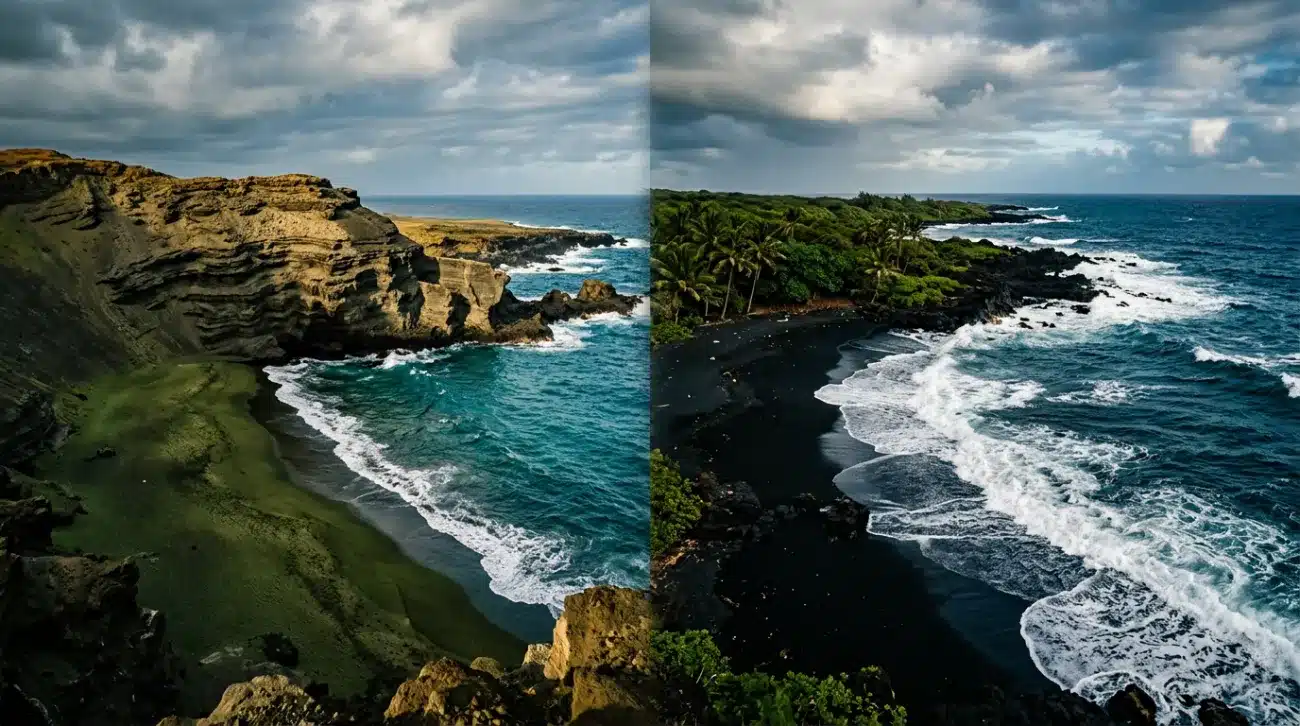
Hawaiʻi Island’s coastline also has beaches that look unlike any ordinary shoreline. Papakōlea, commonly called Green Sand Beach, sits near the southern tip of the island. Its olive-green tint comes from olivine, a mineral found in some Hawaiian volcanic rock, which has collected in a small bay carved from an eroded cinder cone. The beach is reached by a hike across exposed, windy terrain, and visitors should check current access rules and posted guidance before setting out, since conditions and regulations can change.
Punaluʻu Black Sand Beach, on the island’s southeast side, offers a different kind of strangeness. Its dark sand is made of fine fragments of basalt produced when hot lava meets the ocean and shatters. The beach is well known as a place where Hawaiian green sea turtles, called honu, often rest on the sand. Honu are protected, and visitors are asked to keep a respectful distance and never touch or approach them. As at other beaches around the island, visitors are generally asked not to remove sand or rocks.
Both beaches are a considerable drive from Kailua-Kona, so most travelers combine them with other stops along the southern route rather than attempting them as a quick outing.
Kona’s Lava Fields and Coastal Wilderness Close to Home

Travelers do not need to leave the Kona side to see volcanic terrain. Much of the landscape north of Kailua-Kona is covered in dark lava flows from Hualālai, a volcano that remains classified as active, with its most recent eruption occurring in the early 1800s. Driving along the highway north of town, visitors pass wide expanses of black rock stretching toward the sea, often dotted with white coral graffiti and pale grasses that contrast sharply with the dark ground.
The coast in this area includes state parks and protected lands where lava meets sandy bays and anchialine pools. Kekaha Kai State Park, north of Kailua-Kona, is one example, where rugged lava fields give way to beaches. Some access roads in this part of the island are rough, and shade and drinking water can be scarce, so careful preparation matters. Lava rock holds heat, and exposed trails can be much hotter than visitors expect.
These coastal lava landscapes may be less dramatic than a steaming crater, but they show how quickly the island shifts between textures and colors. A contrast of black rock, turquoise water and pale sand is one of the most photographed scenes on the west side of the island.