 By
Lava Tubes, Barren Desert Zones and Other Volcanic Oddities

Beneath the surface, the Big Island holds another set of otherworldly features: lava tubes. These tunnels form when the outer layer of a flowing lava stream cools and hardens while molten rock continues to flow inside, eventually draining and leaving a hollow passage. Hawaiʻi Volcanoes National Park has a well-known lava tube that visitors can walk through, surrounded by rainforest, and other tubes and caves around the island are open to visitors through parks or guided tours. Lava tubes can be uneven, wet and dark, so sturdy shoes and a reliable light source are essential, and some caves are on private property or are protected, so visitors should only enter those that are officially open.
Another striking area is the Kaʻū Desert region of Hawaiʻi Volcanoes National Park, where the landscape is shaped by volcanic ash, gases and relatively dry conditions on the leeward side of the volcano. The result is a sparse, sun-baked terrain that feels very different from the rainforest only a short distance away. Visitors can also see evidence of how new land is slowly colonized, as hardy ferns and ʻōhiʻa lehua trees begin to take root in cooled lava.
A Contextual Breakdown of the Big Island’s Alien Landscapes
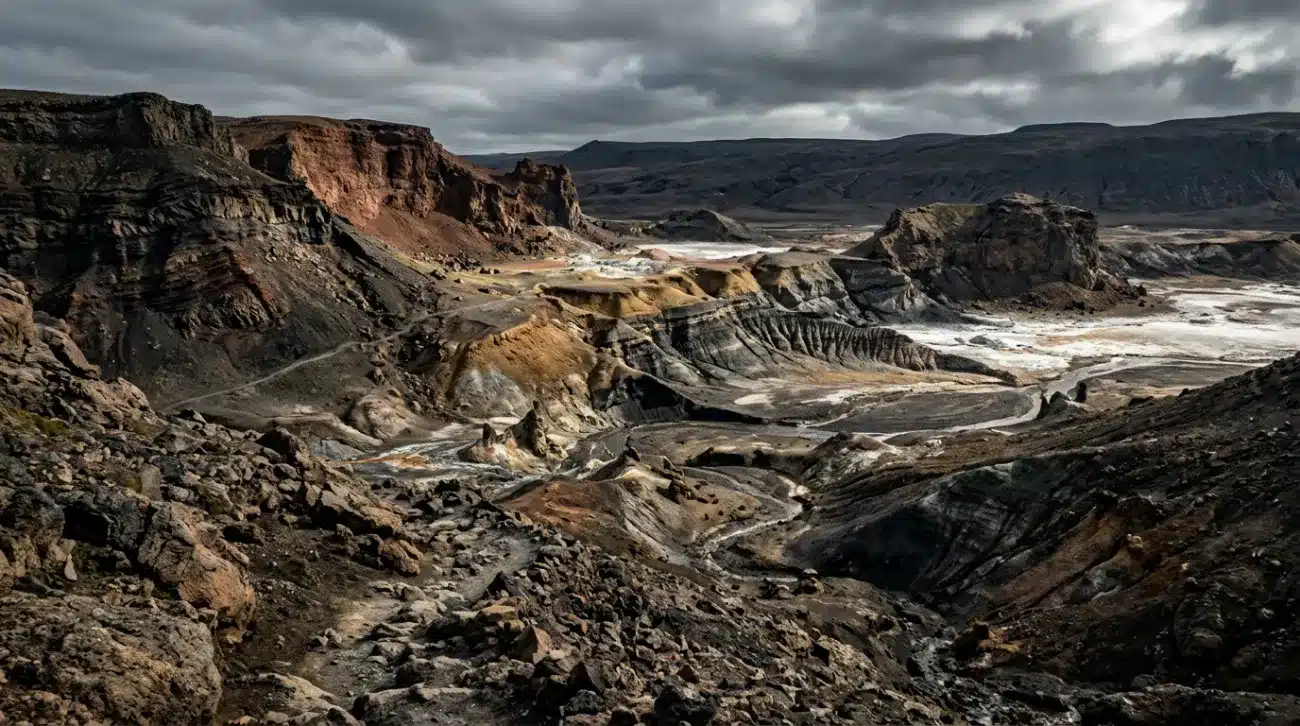
The following contextual breakdown is an editorial categorization of the places described above, based on the kind of experience each offers rather than on measured data.
Craters and Active Volcanic Terrain
Best for: Travelers who want steam vents, caldera views and lava fields. Main places: Hawaiʻi Volcanoes National Park. Key consideration: Conditions and closures can change with volcanic activity.
High-Altitude Moonscapes
Best for: Stargazers and photographers. Main places: Mauna Kea and its visitor station. Key consideration: Altitude, cold weather and cultural sensitivity.
Colored Sand Beaches
Best for: Travelers who want unusual coastal scenery. Main places: Papakōlea and Punaluʻu. Key consideration: Long drives, exposed hikes and wildlife protection rules.
Kona-Side Lava Country
Best for: Short outings from Kailua-Kona. Main places: Hualālai lava fields and coastal parks. Key consideration: Heat, limited shade and rough access roads.
Underground and Barren Zones
Best for: Curious explorers who enjoy geology. Main places: Lava tubes and the Kaʻū Desert area. Key consideration: Uneven footing, darkness and protected sites.
Source: Editorial categorization based on general descriptions from the National Park Service and public visitor information. Not measured data.
Visiting Respectfully: Safety, Conservation and Cultural Awareness
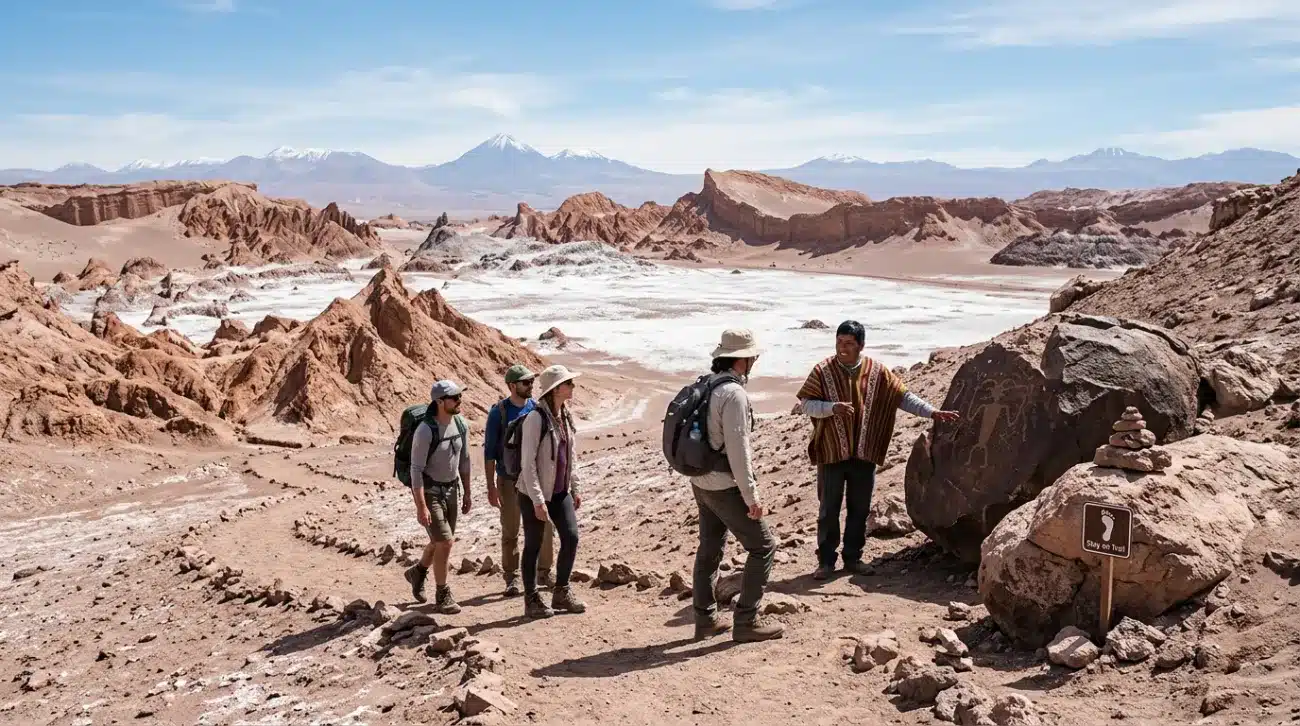
The same features that make these landscapes feel foreign also make them fragile and, in some cases, hazardous. Lava surfaces can be sharp enough to cut skin and shoes, and uneven ground makes twisted ankles a common problem. Many trails have little shade, so water, sun protection and sturdy footwear are basic requirements. Visitors should stay on marked trails and heed closures, particularly near unstable cliffs, steam vents and areas affected by volcanic gas.
Respect for the land is also a cultural matter. Many of these places hold deep significance in Native Hawaiian tradition, and the national park prohibits removing natural materials such as lava rocks. Leaving rocks, sand and plants in place helps preserve the landscape for future visitors and honors local expectations. Staying on trails, keeping a distance from wildlife and checking official sources for current conditions go a long way toward making a trip both safe and responsible.
Carrying the Big Island’s Other Worlds With You

The Big Island’s most otherworldly places are not distant or abstract but part of an island that is still being built, with craters, cinder cones, colored beaches and lava fields all within reach of Kailua-Kona. Each one offers a different version of the same lesson: this is land in the early chapters of its story, and it rewards visitors who arrive prepared, stay curious and treat it with care. Check official conditions before heading out, respect cultural and ecological protections, and leave every rock and grain of sand where you found it, so the next traveler can feel the same sense of wonder on a landscape that looks like another planet.