
Imagine soaring over the lush forests, sweeping beaches, and active volcanoes that define the captivating landscapes of Hawaii’s Big Island. While traditional photography captures the essence of this paradise from the ground, drone photography adds an entirely new dimension, offering stunning aerial perspectives of these diverse ecosystems. In an age where technology meets art, drone photography is emerging as a go-to medium for capturing the extraordinary. The purpose of this comprehensive guide is to dive deep into the world of drone photography on the Big Island, exploring everything from the must-visit locations to the nitty-gritty of regulations, equipment, and techniques.
Why The Big Island Is A Drone Photographer’s Paradise
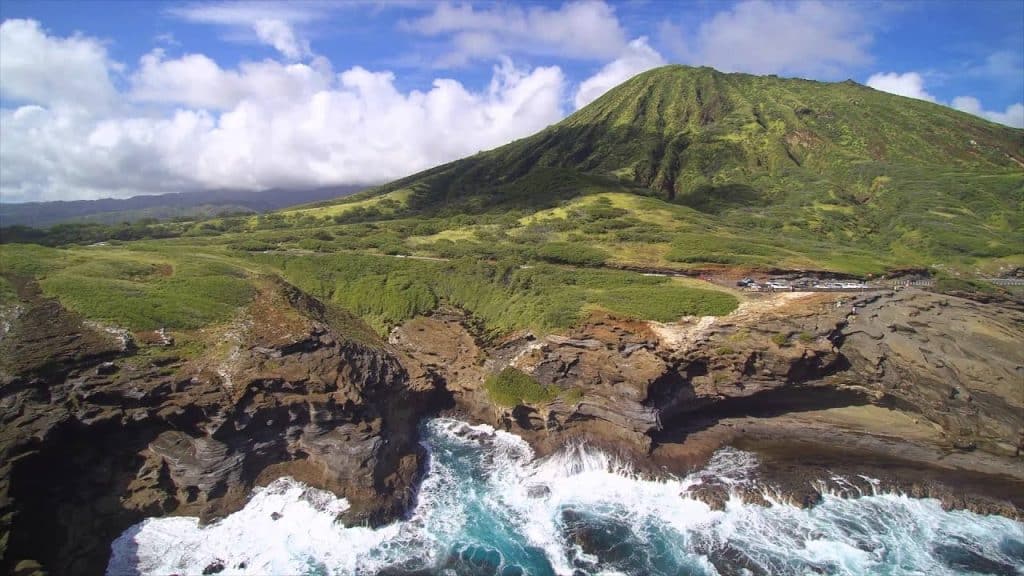
The Big Island is not just another Hawaiian Island; it’s a playground for drone photographers. The vast stretches of land offer a myriad of landscapes, each begging to be captured from the sky. From the snow-capped mountains of Mauna Kea to the fiery cauldrons of Kilauea Volcano, The Big Island is a tapestry of natural wonders. Every corner of this island offers unique compositions, whether you’re flying your drone over sweeping beaches or capturing the dense tropical forests that blanket the area.
If you think you’ve seen the Big Island from all angles, wait until you see it from above. Drone photography offers an unparalleled opportunity to capture both the grandeur and intricate details of these landscapes. A single flight can reveal the startling blue of a hidden bay against the dark lava rocks or the intricate patterns of a coral reef only visible from above. The dynamic weather conditions can also add an element of drama to your shots, making every flight an entirely new experience.
Understanding Drone Regulations On The Big Island
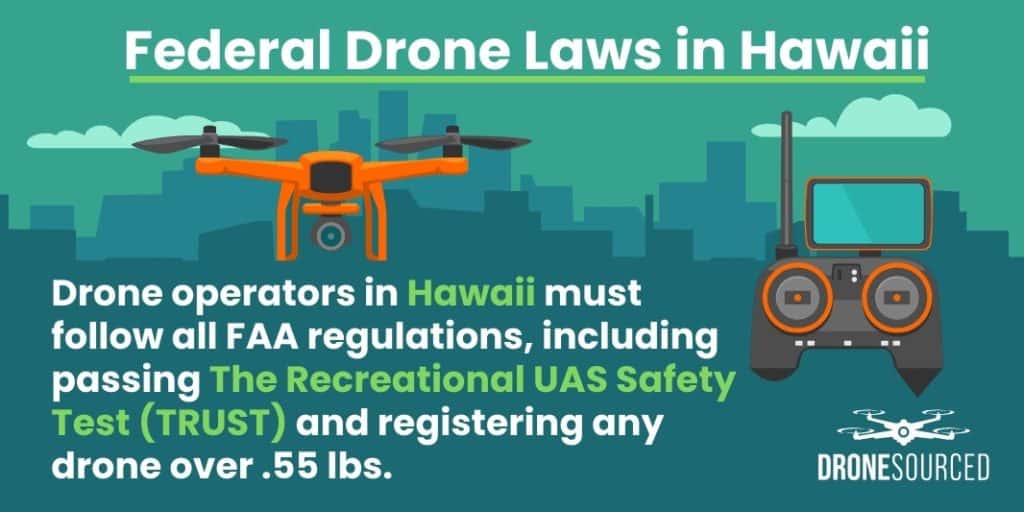
Before packing up your drone and embarking on an aerial photography adventure, it’s crucial to understand the rules and regulations that govern drone use on the Big Island. The Federal Aviation Administration (FAA) has set guidelines for drone flying, which include altitude restrictions, no-fly zones, and registration requirements. The Big Island also has its own set of rules, such as restrictions around national parks and other protected areas. Failure to comply with these regulations could result in hefty fines or even confiscation of your equipment.
Being aware of the rules is not just about avoiding legal consequences; it’s also about respecting the land and its inhabitants. The Big Island is home to various protected species and culturally significant sites. As you fly your drone, it’s essential to minimize noise and disturbances, especially near wildlife habitats and sacred locations. Local authorities may have specific guidelines about flying drones near such areas, so it’s best to consult with them before your flight.
Prepping Your Drone For The Trip
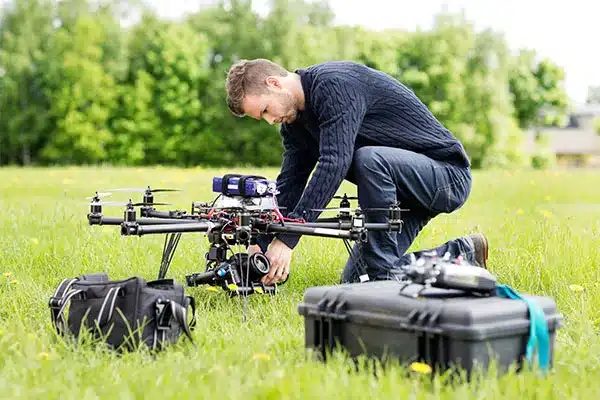
So you’ve checked all the regulations and have the perfect drone for capturing the Big Island’s captivating landscapes, but preparation doesn’t end there. Think of your drone as a small aircraft that needs meticulous attention to detail. Packing extra batteries is a must, especially for locations where charging facilities are scarce. Alongside that, ample memory cards are necessary to ensure you have enough storage for high-resolution photos and videos. Carrying a drone repair kit with essential tools and spare parts can save the day in case of unexpected malfunctions.
Protection for your drone is just as crucial. A sturdy carrying case designed for drones can safeguard your equipment during transit. Make sure the case is weatherproof to protect against sudden showers or moisture. Double-check your propellers, gimbal, and lens to ensure everything is clean and in working order. A pre-flight checklist can be a lifesaver, ensuring you don’t overlook essential factors like firmware updates or calibrations before you start your aerial escapade.