 By
By Cons of Airbnb
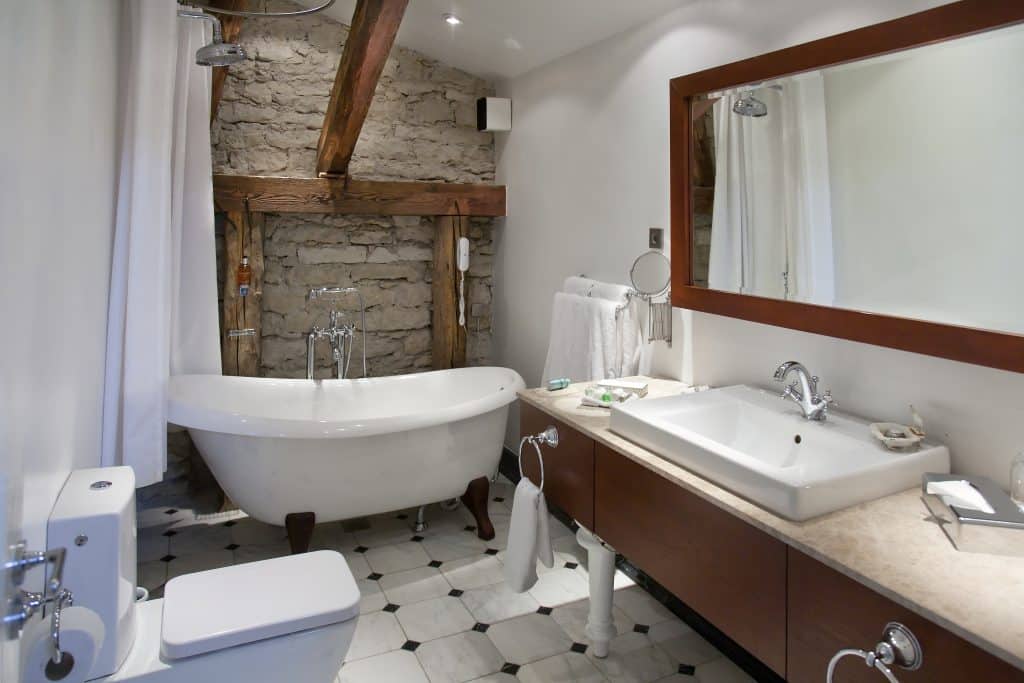
While Airbnb offers unique experiences, it also has its share of cons. One notable downside is the lack of consistency. The quality of the accommodation can vary wildly, depending on the host. There’s always a bit of gamble involved, despite the reviews.
Another disadvantage of Airbnb is the lack of professional service. There’s no room service, daily cleaning, or concierge to assist you. In case of an issue, resolving it may not be as straightforward as in a hotel.
Making the Best Choice Between Hotels and Airbnb

The decision between a hotel and an Airbnb largely depends on your preferences and travel needs. If you value predictability, professional service, and an array of amenities, hotels are your best bet. However, if you crave a unique, local experience with more space and potentially lower costs, Airbnb could be a more appealing option.
Consider your travel purpose too. A hotel is more suitable for business trips where you need more stable Wi-Fi. Conversely, an Airbnb with a kitchen and multiple bedrooms might make more sense for a family vacation or a long stay. Always weigh the pros and cons in light of your individual needs and preferences.
Changing Trends in Hotels And Airbnb

As the competition heats up, hotels and Airbnb are evolving and adapting to changing consumer preferences. Boutique hotels are growing in popularity, merging the unique charm of Airbnb with the reliable service of hotels. Airbnb has also upped its game with ‘Airbnb Plus,’ a selection of high-quality homes known for their excellent reviews and attention to detail.
The lines are blurring as both accommodations strive to offer the best of both worlds. Airbnb increasingly incorporates hotel-like features, while hotels try to provide more localized experiences. As a traveler, these changing trends mean more choices and better experiences.
Sustainability Practices in Hotels And Airbnb

Sustainability is another vital factor to consider in the Hotels and Airbnb debate. Both are making strides towards more eco-friendly and socially responsible practices. Many hotels now offer options for guests to minimize their environmental impact, such as opting out of daily linen changes.
Airbnb, on the other hand, has an inherent advantage in sustainability. Using existing housing, Airbnb avoids the energy-intensive construction and maintenance of new hotels. Moreover, Airbnb experiences often support local entrepreneurs and provide more money to the local economy than traditional hotels. However, travelers should also be aware of the criticism Airbnb faces for its potential role in housing shortages and gentrification.
The Bottom Line
Ultimately, the choice between hotels and Airbnb is personal, influenced by many factors such as your budget, preferences, and the nature of your trip. Both accommodations have pros and cons, and understanding these can help you make the best choice for your needs.
Happy travels! Remember, there’s no one-size-fits-all answer. What matters most is finding an accommodation that enhances your travel experience, whether a hotel with all the amenities or an Airbnb that lets you live like a local.