 By
By Conservation and Modern Sport Fishing Practices
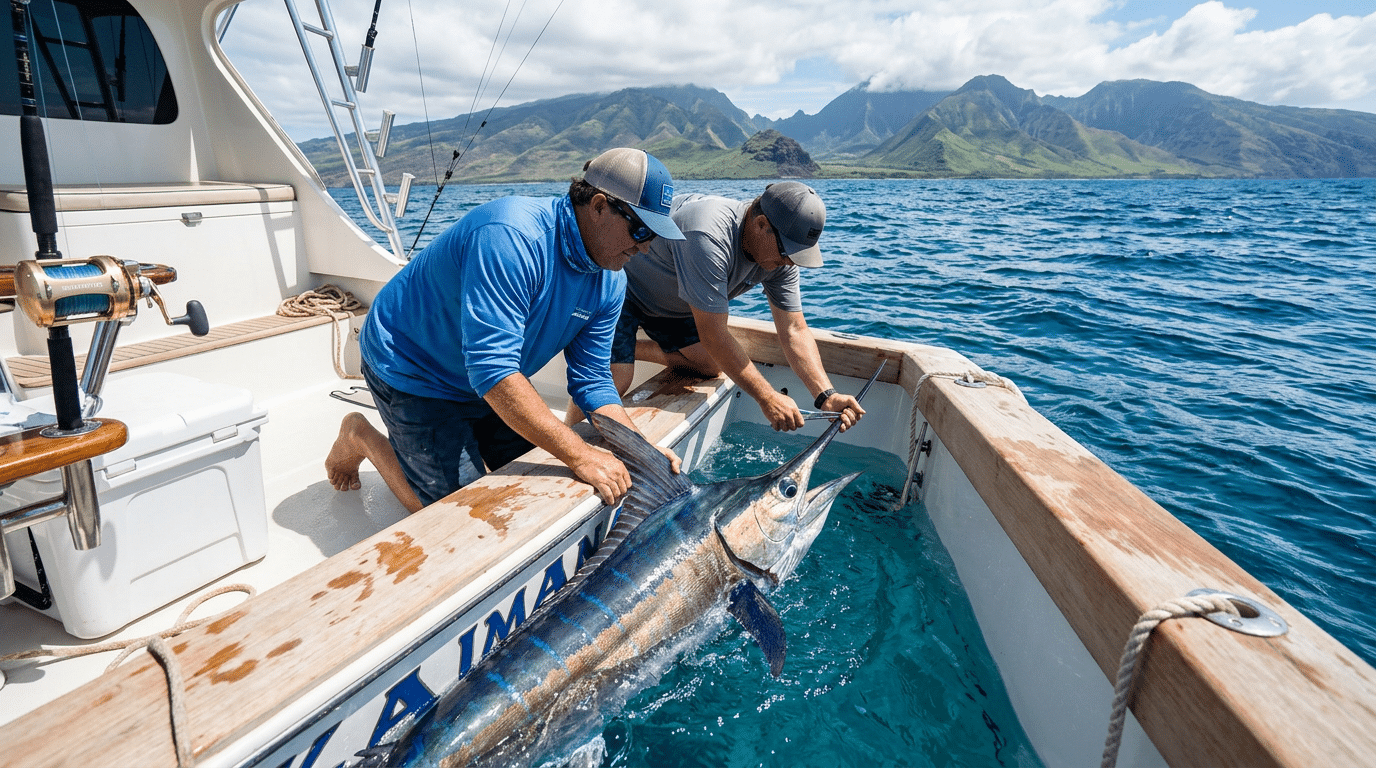
The modern era of Hawaiian fishing has seen a significant shift toward conservation-minded practices. Tag-and-release programs have become increasingly popular, particularly for billfish, with many anglers choosing to document their catches through photographs and measurements rather than killing fish for the scales. The Pacific Islands Fisheries Science Center and various non-profit organizations have conducted extensive tagging studies that have revealed important information about fish migrations and populations throughout the Central Pacific.
Tournament structures have evolved to reflect these conservation values. Many contemporary tournaments now award points based on catch-and-release, with only exceptional fish being weighed. This approach has allowed the sport fishing tradition to continue while reducing pressure on fish populations. Data collected from tagged and released fish has contributed to scientific understanding of Pacific pelagic species and helped inform management decisions.
Key Aspects of Hawaii’s Record Fish Heritage
Kona Coast waters offer ideal conditions with protected seas, deep drop-offs, and abundant baitfish.
State records require certified scales, photographic evidence, and witness verification.
Modern practices emphasize tag-and-release to preserve fish populations for future generations.
Hawaiian waters support trophy fish throughout the year due to consistent tropical conditions.
The Enduring Allure of Hawaiian Trophy Fishing
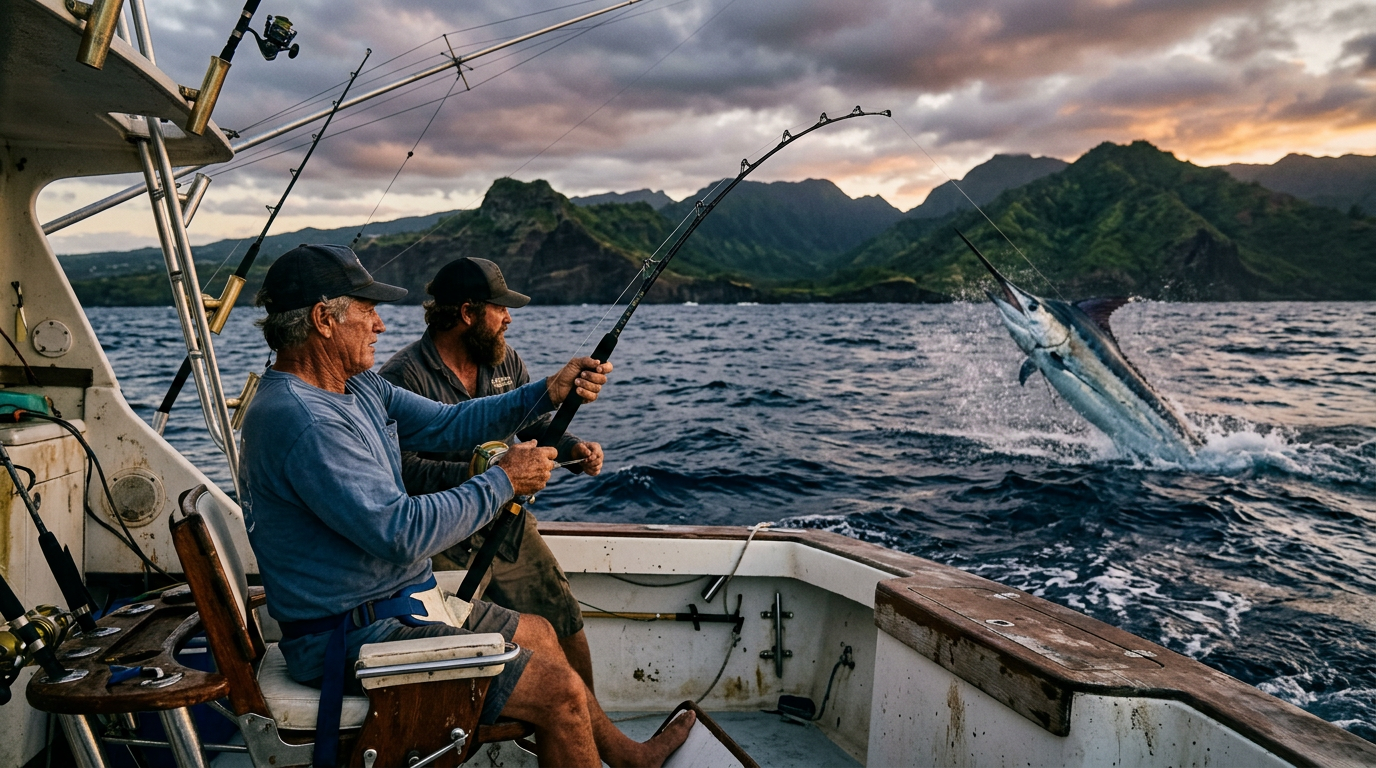
Despite decades of fishing pressure and changing ocean conditions, Hawaiian waters continue to produce exceptional fish. Charter captains operating out of Kona, Honolulu, and other Hawaiian ports report consistent catches of large billfish and tuna, suggesting that these fisheries remain healthy when properly managed. The combination of favorable oceanographic conditions, established fishing infrastructure, and a culture that values both the sport and the resource creates an environment where trophy catches remain possible.
The records established in Hawaiian waters over the past century represent more than individual achievements—they document the remarkable productivity of one of Earth’s most significant marine ecosystems. From Gary Merriman’s legendary 1,805-pound blue marlin to the countless other record catches across dozens of species, these fish tell the story of Hawaiian waters and the anglers who have pursued their quarry in them. Future records may surpass those standing today, or the current marks may endure for decades more. Either way, Hawaii’s position as a world-class fishing destination remains secure, built on a foundation of exceptional natural resources and a deep respect for the ocean and its inhabitants.
A Legacy Written in the Waters of the Pacific
The record fish of Hawaii represent a unique intersection of natural abundance, sporting tradition, and human determination that spans generations of anglers who have tested themselves against the Pacific’s greatest game fish. Whether the pursuit involves a charter boat off Kona in search of a grander marlin, or a smaller vessel targeting ahi in the channels between islands, the opportunity to connect with fish of exceptional size remains one of Hawaii’s enduring attractions. As conservation practices continue to evolve and scientific understanding of Pacific fish populations grows, these historic catches serve both as benchmarks of what these waters can produce and as reminders of the responsibility that comes with accessing such remarkable natural resources. The biggest fish catches ever recorded in Hawaii are not merely statistics—they are chapters in an ongoing story of the sea, written by those who venture out to meet its challenges.