 By
By Nestled almost in the center of the big island, Mauna Loa emerges as a stargazing sanctuary unlike any other. This Hawaiian giant, not just a marvel of nature but also an astronomical wonder, offers a night sky viewing experience that transcends the ordinary. The clear, unpolluted skies at its towering heights present an unparalleled canvas for celestial spectacles. This journey through stargazing on Mauna Loa reveals why this location is a must-visit for astronomy enthusiasts and nature lovers alike. From the preparation to the actual observation of the starlit heavens, each aspect combines to create an unforgettable experience.
The Majesty Of Mauna Loa
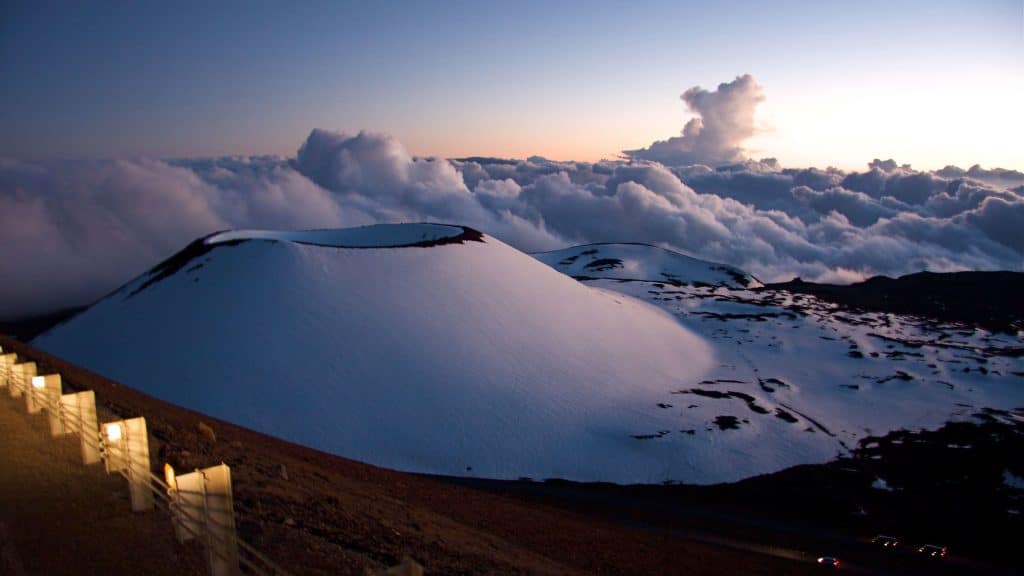
Mauna Loa’s stature in the world of astronomy is as monumental as its physical presence. Towering above the surrounding landscape, it stands as one of the world’s largest volcanoes, offering a unique vantage point for stargazing. Its high elevation brings viewers closer to the stars, reducing atmospheric interference and enhancing the clarity of the night sky. This elevation, coupled with the geographic isolation of the Hawaiian Islands, significantly minimizes light pollution, allowing for a breathtaking display of celestial bodies. The stars here don’t just twinkle; they blaze in the night sky, creating a spectacle that captivates both amateur stargazers and seasoned astronomers.
The mountain’s location near the equator also plays a pivotal role in its stargazing appeal. This positioning allows for the observation of both Northern and Southern Hemisphere constellations, a rare treat for astronomy enthusiasts. On a clear night, the sky above Mauna Loa becomes a cosmic gallery, showcasing an array of stars, planets, and other celestial phenomena. The Milky Way stretches across the sky like a luminous river while shooting stars intermittently streak through the darkness, adding a sense of wonder to the already magical panorama.
Preparing For Your Stargazing Adventure
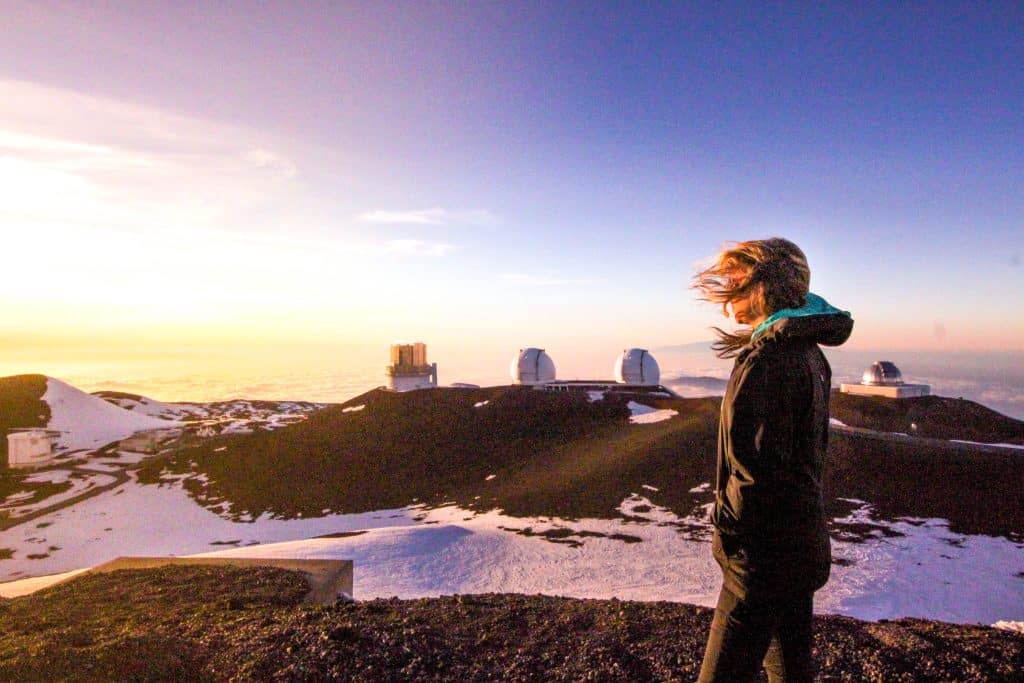
Embarking on a stargazing journey to Mauna Loa requires thoughtful preparation. Given the mountain’s high altitude and the chill of the Hawaiian night, dressing in layers is essential. Warm clothing, including hats and gloves, can make the experience more comfortable and enjoyable. Additionally, bringing the right equipment is crucial for a fulfilling stargazing session. A reliable telescope or binoculars can enhance the view of the night sky, revealing finer details of the celestial objects. Star maps or astronomy apps can also be invaluable tools, helping to identify constellations and planets.
Timing is another critical factor in planning a stargazing trip to Mauna Loa. The best times for stargazing are typically during the new moon phase, when the sky is darkest. Clear, dry nights, often found in the winter months, offer optimal viewing conditions. However, it’s important to check the weather forecast and lunar calendar before setting out. Safety is paramount, so familiarizing oneself with the terrain and bringing necessary supplies, such as flashlights and a first aid kit, is advisable. Respecting the natural environment and staying on designated paths is also crucial to preserving the beauty and integrity of this unique location.
Navigating To The Stars
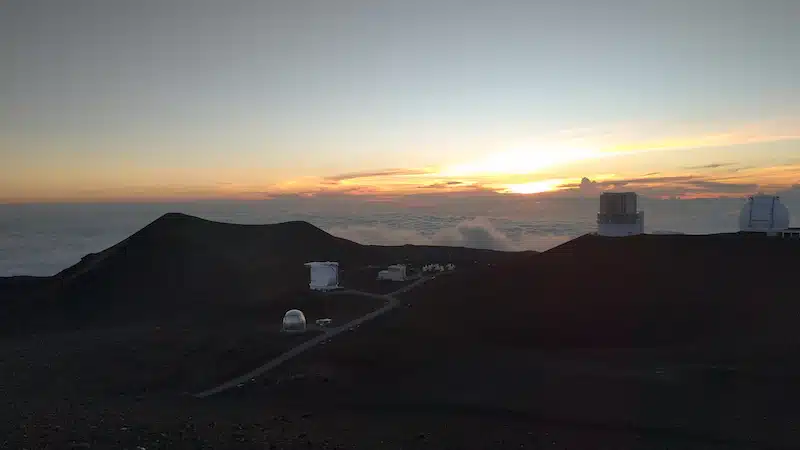
Reaching the prime stargazing spots on Mauna Loa is an adventure in itself. The journey to these locations is as much a part of the experience as the stargazing. The drive up the mountain, winding through diverse landscapes, offers stunning views and a growing sense of anticipation. As the elevation increases, the bustling world below fades away, replaced by serene, untouched nature. The roads, although well-maintained, require careful navigation, especially after sunset. It’s advisable to travel slowly, allowing ample time to reach the destination safely.
Upon arrival at the stargazing site, the transformation of the surroundings is palpable. The hustle and bustle of daily life seem a world away, replaced by the tranquil majesty of Mauna Loa’s slopes. Here, under the canopy of the night sky, the true scale of the universe becomes evident. The silence of the mountain, broken only by the occasional whisper of the wind, creates a meditative atmosphere perfect for celestial contemplation. The stars seem within reach, a glittering tapestry spread across the heavens, inviting observers to lose themselves in the beauty of the cosmos.