 By
By Hawaii’s Big Island, a marvel of nature’s diversity, presents a climatic journey unlike any other. This island, renowned for its vast size and dramatic topographical variations, offers a unique experience where one can traverse through a multitude of climates in just a single day. From the sun-drenched beaches of the Kona Coast to the snow-capped peaks of Mauna Kea, the island’s environment is a dynamic tapestry that weaves together various ecosystems. This exploration delves into the distinct climates of Hawaii’s Big Island, each offering its own unique allure and set of experiences.
The Tropical Allure Of The Kona Coast

On the western side of Hawaii’s Big Island, the Kona Coast is synonymous with sunny skies and minimal rainfall, creating a perfect haven for beach enthusiasts and sun seekers. This arid climate, a stark contrast to other parts of the island, is ideal for outdoor activities such as snorkeling in crystal-clear waters, sunbathing on pristine beaches, and exploring historic Hawaiian landmarks. The region is also world-famous for its coffee, with numerous farms dotting the landscape, offering tours that provide insight into the coffee-making process in this unique climatic zone.
The cultural and historical richness of the Kona Coast adds depth to its climatic appeal. Ancient Hawaiian temples, or heiaus, and historic sites like the City of Refuge paint a picture of Hawaii’s rich past. These cultural landmarks, set against the backdrop of the sunny, dry climate, offer a unique experience that blends history with natural beauty. The Kona Coast, therefore, is not just a destination for its climate but also a gateway to understanding Hawaiian culture and history.
Hilo’s Rainy Retreat
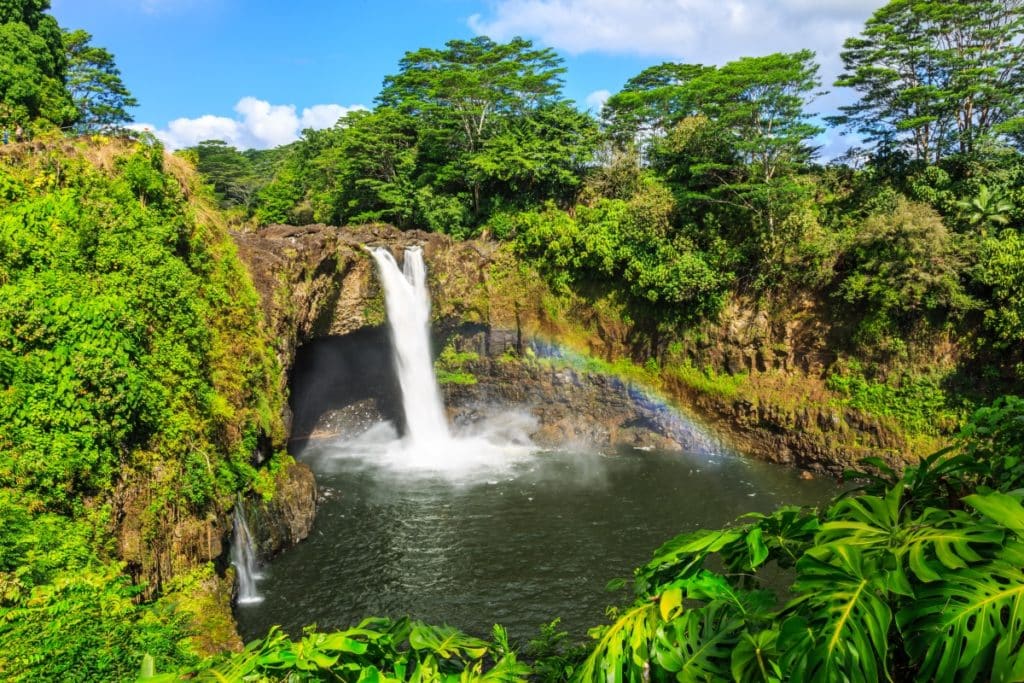
In stark contrast to the Kona Coast, Hilo, located on the eastern side of the Big Island, is a world where rain is a frequent and nurturing visitor. This area is characterized by its lush, green landscapes, fed by the abundant rainfall. The climate here creates an environment rich in tropical rainforests, stunning waterfalls, and expansive botanical gardens, offering a paradise for nature lovers and eco-tourists. The rain in Hilo is not a deterrent but rather an enhancer of its verdant beauty, making it a haven for those who revel in the serenity of a rain-soaked landscape.
The rainfall in Hilo plays a crucial role in sustaining its diverse ecosystem. It supports a variety of flora and fauna, making it a hotspot for biodiversity. Nature trails wind through rainforests, leading to hidden waterfalls and secluded pools, offering a refreshing escape. The climate also nurtures the growth of exotic fruits and flowers, contributing to the sensory richness of the region. With its persistent rains, Hilo offers a tranquil retreat, showcasing the nurturing side of nature’s climatic forces.
Mauna Kea: From Stargazing To Snow
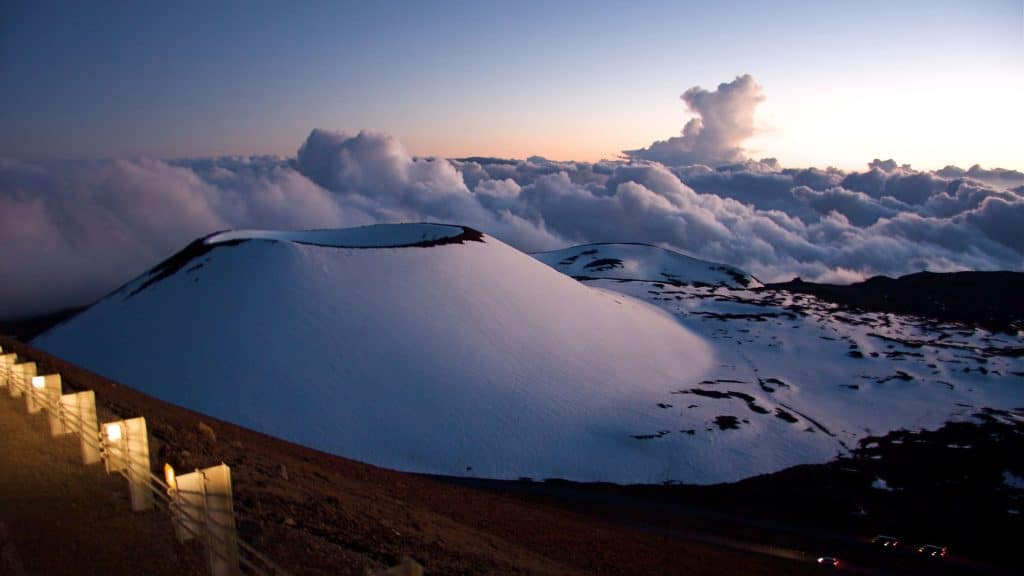
Ascending from the tropical climates at sea level, Mauna Kea stands as a towering beacon on Hawaii’s Big Island, offering a climate that is both awe-inspiring and unexpected. This dormant volcano, reaching nearly 14,000 feet above sea level, presents a starkly different climate from the rest of the island. Its summit, often adorned with snow, provides a unique opportunity to experience winter conditions in the midst of a tropical paradise. The climate here is cooler and offers clear, unpolluted skies, making it an ideal location for astronomical observatories and stargazing enthusiasts.
The experience of Mauna Kea extends beyond its snowy cap. The journey to the summit passes through various climate zones, each with its own unique flora and fauna. The observatories atop Mauna Kea are not only marvels of scientific achievement but also offer a window into the universe, with some of the best stargazing opportunities on the planet. The climate and altitude of Mauna Kea create a unique environment where science, nature, and culture intersect, offering a glimpse into the mysteries of both the Earth and the cosmos.
The Changing Climates Of Waimea
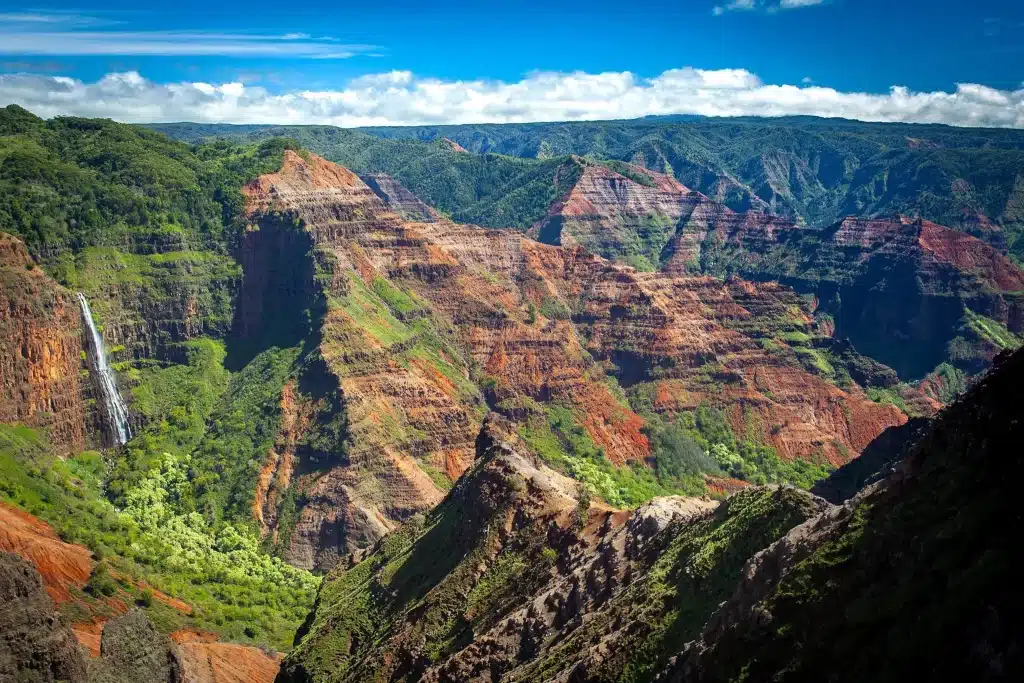
Waimea, nestled in the interior of Hawaii’s Big Island, presents a markedly cooler climate and more temperate than the island’s coastal regions. This area, characterized by rolling hills and misty mornings, offers a refreshing change from the tropical heat. The climate here supports a different kind of natural beauty, with lush pastures and vibrant flower farms. Waimea’s climate has also shaped its culture, evident in its paniolo (Hawaiian cowboy) heritage, which is celebrated through music, rodeos, and ranching traditions.
The agricultural landscape of Waimea is a testament to the adaptability of the island’s climate. The cooler temperatures and fertile soils are ideal for growing a variety of crops, including vegetables, fruits, and flowers. The town’s farmers’ markets are a colorful display of the region’s bounty, offering a taste of local produce and artisanal products. Waimea’s climate fosters a sense of community and connection to the land, making it a unique and integral part of the Big Island’s climatic tapestry.