 By
By Chronicle of Recent Kilauea Summit Eruptions
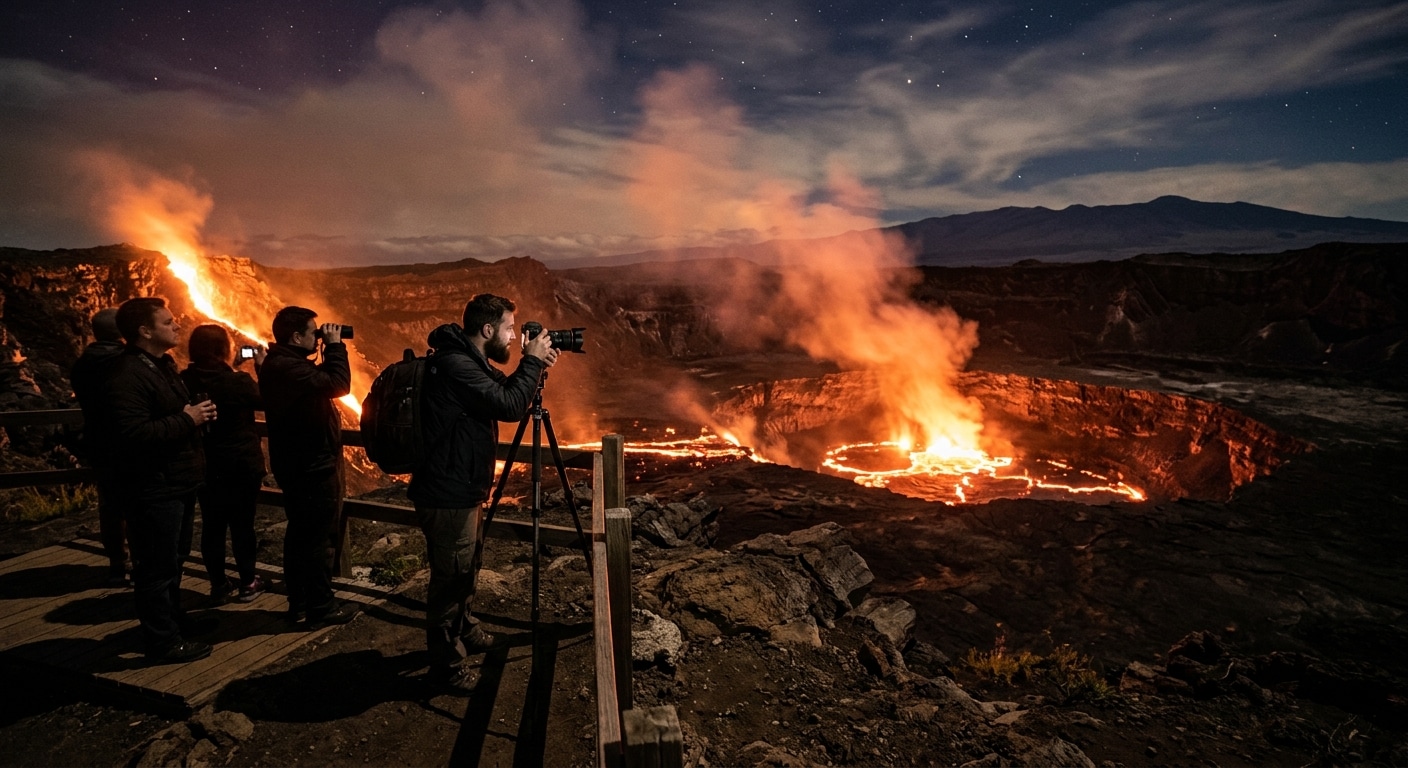
Summit eruption resumes within Halema’uma’u crater after two years of quiet, forming a new lava lake.
New eruptive phase begins following several months of pause, with lava fountains and lake activity.
Multiple short-duration eruptions occur at the summit, establishing a pattern of episodic activity.
Ongoing monitoring continues with intermittent activity; consult HVO for current eruption status.
Respecting Hawaiian Cultural Traditions at Sacred Volcanic Sites
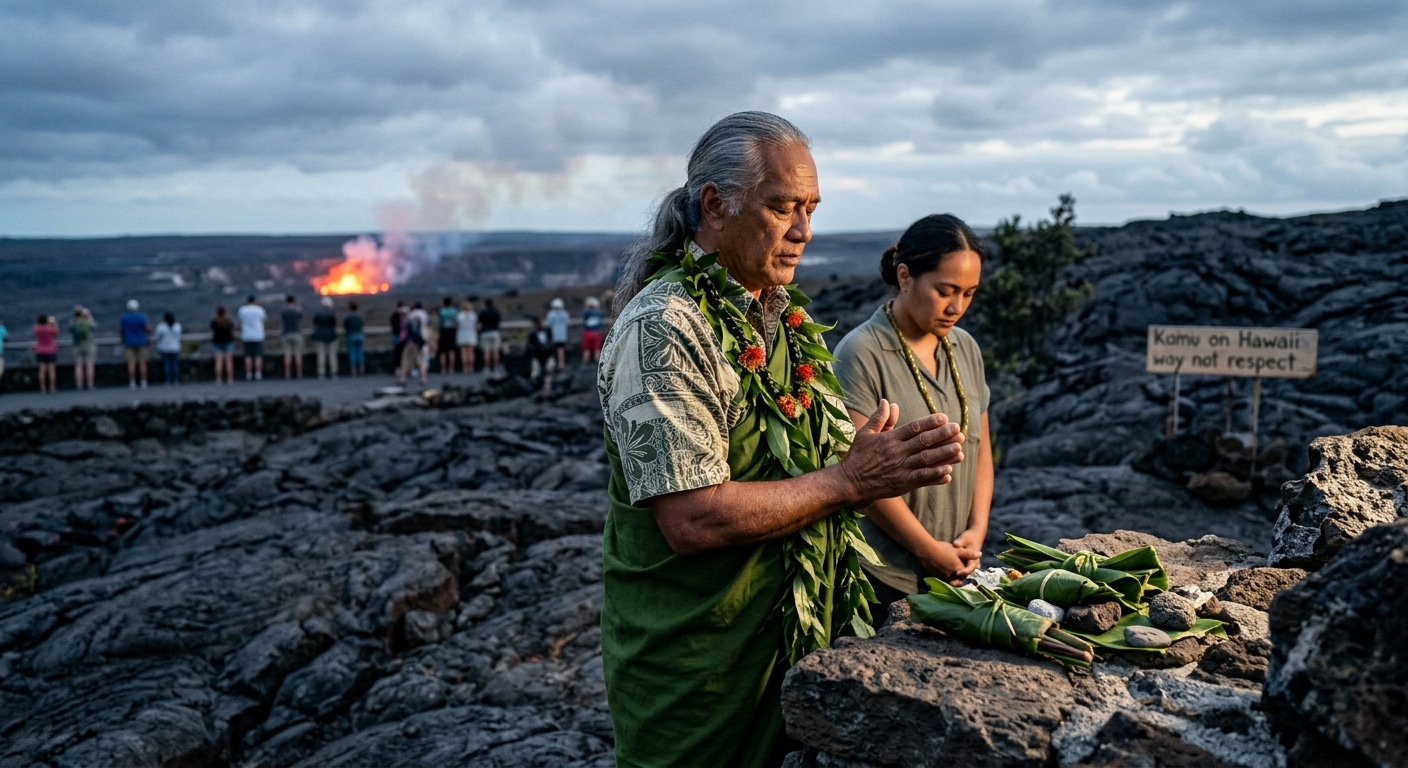
Kilauea holds profound spiritual significance in Hawaiian culture as the home of Pele, the deity of fire, lightning, and volcanoes. Native Hawaiian practitioners consider the volcano and its surrounding landscape as sacred, and eruptions are viewed not as natural disasters but as manifestations of Pele’s creative and destructive power. Visitors are asked to approach the volcano with respect and to refrain from removing any rocks, sand, or other natural materials from the park, as this practice is both culturally offensive and illegal under federal law.
The National Park Service works closely with Native Hawaiian cultural practitioners to ensure that traditional practices and perspectives are respected throughout the park. Visitors may encounter offerings of wrapped ti leaves, flowers, or other items left at overlooks and along trails. These should not be disturbed or photographed without appropriate consideration. Understanding and honoring the cultural significance of this landscape enriches the visitor experience while supporting the ongoing relationship between Native Hawaiian communities and their ancestral lands.
Essential Resources for Monitoring Kilauea Volcano Activity
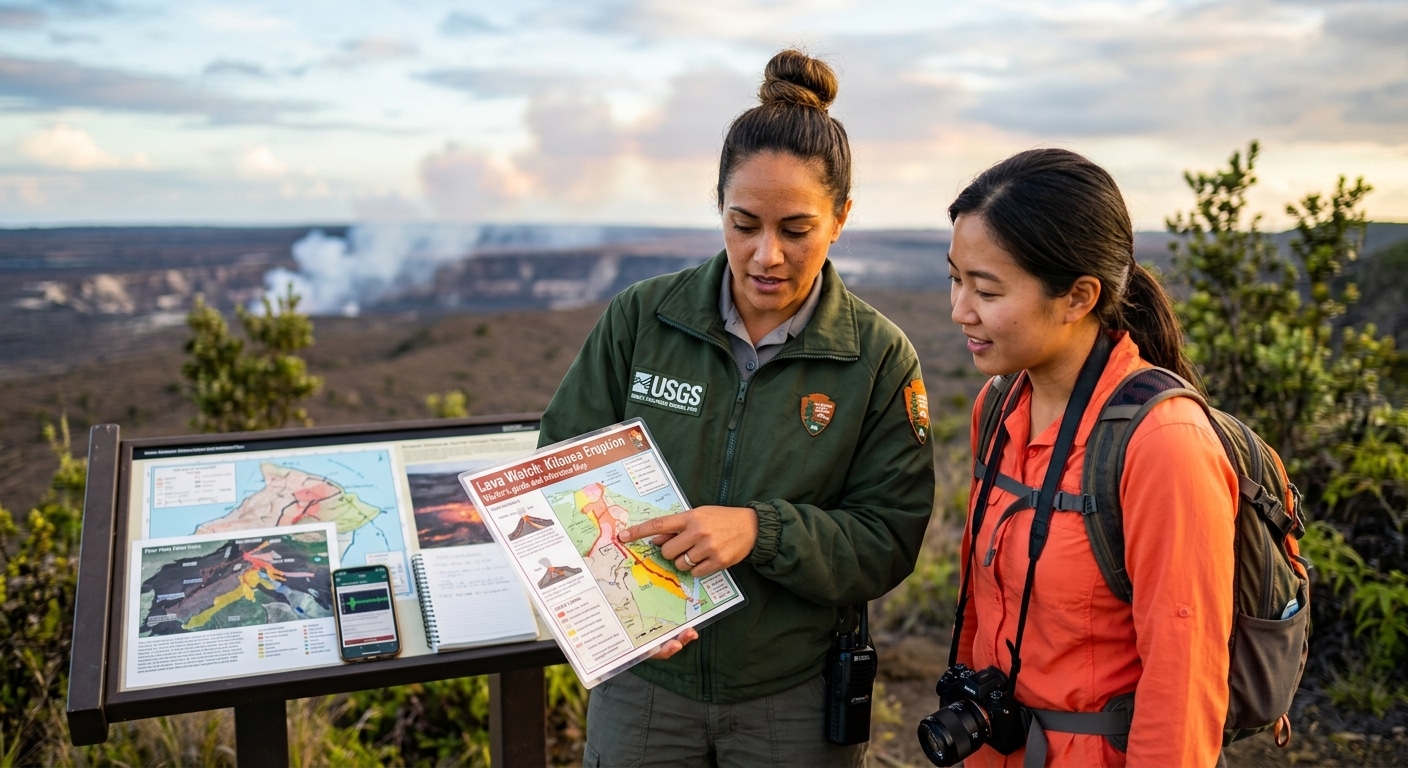
The Hawaiian Volcano Observatory website provides the most authoritative and up-to-date information on Kilauea’s status, including daily updates during active eruptions, volcano alert levels, and links to live webcam feeds. The observatory also issues volcanic activity notices that are distributed through email subscription services and social media channels. Visitors planning trips around potential eruption viewing should bookmark the HVO site and check it regularly in the days leading up to their visit.
The National Park Service maintains a separate website for Hawai’i Volcanoes National Park with information specific to visitor access, trail conditions, and park programs. The park’s phone line offers recorded information on current conditions, and the visitor center staff can answer specific questions during operating hours. Third-party air quality monitoring services provide additional data on vog conditions throughout the island, which can help visitors plan activities both inside and outside the park.
Eruption Update Log
Initial guide published. Kilauea continues pattern of intermittent summit activity observed since 2020. Visitors should consult HVO and NPS resources for real-time eruption status before traveling.
Witnessing an active eruption at Kilauea offers a rare opportunity to observe one of Earth’s most fundamental geological processes in real time, but the experience requires flexibility, preparation, and respect for both natural hazards and cultural traditions. By consulting official monitoring resources, following park service guidance, and approaching this sacred landscape with appropriate reverence, visitors can safely experience the awe-inspiring power of Hawaii’s most famous volcano while ensuring its preservation for future generations.