
Imagine soaring over the lush forests, sweeping beaches, and active volcanoes that define the captivating landscapes of Hawaii’s Big Island. While traditional photography captures the essence of this paradise from the ground, drone photography adds an entirely new dimension, offering stunning aerial perspectives of these diverse ecosystems. In an age where technology meets art, drone photography is emerging as a go-to medium for capturing the extraordinary. The purpose of this comprehensive guide is to dive deep into the world of drone photography on the Big Island, exploring everything from the must-visit locations to the nitty-gritty of regulations, equipment, and techniques.
Why The Big Island Is A Drone Photographer’s Paradise
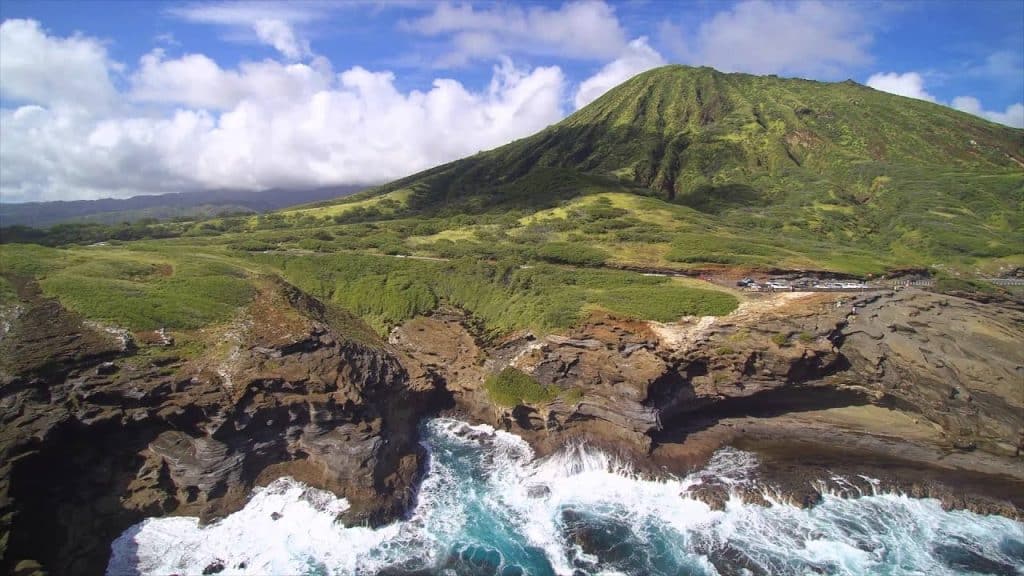
The Big Island is not just another Hawaiian Island; it’s a playground for drone photographers. The vast stretches of land offer a myriad of landscapes, each begging to be captured from the sky. From the snow-capped mountains of Mauna Kea to the fiery cauldrons of Kilauea Volcano, The Big Island is a tapestry of natural wonders. Every corner of this island offers unique compositions, whether you’re flying your drone over sweeping beaches or capturing the dense tropical forests that blanket the area.
If you think you’ve seen the Big Island from all angles, wait until you see it from above. Drone photography offers an unparalleled opportunity to capture both the grandeur and intricate details of these landscapes. A single flight can reveal the startling blue of a hidden bay against the dark lava rocks or the intricate patterns of a coral reef only visible from above. The dynamic weather conditions can also add an element of drama to your shots, making every flight an entirely new experience.
Understanding Drone Regulations On The Big Island
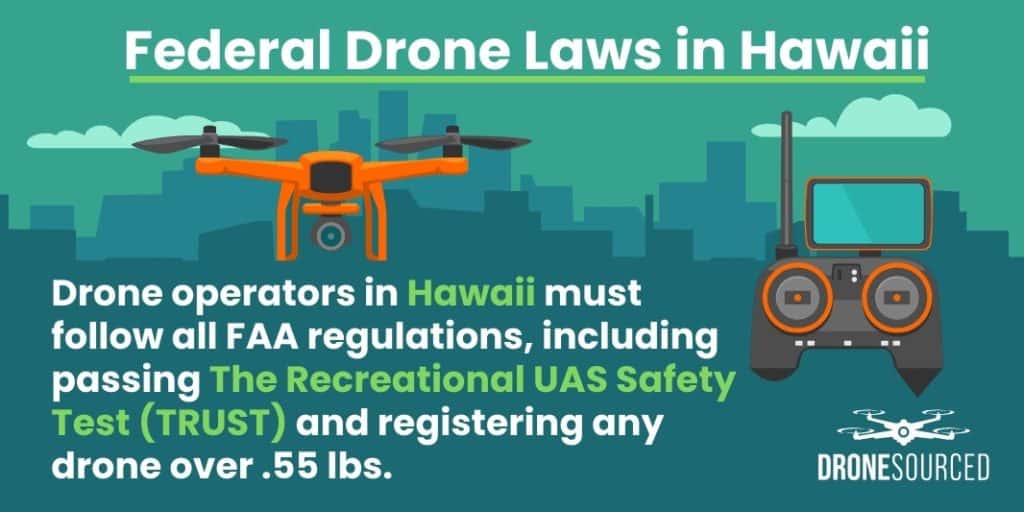
Before packing up your drone and embarking on an aerial photography adventure, it’s crucial to understand the rules and regulations that govern drone use on the Big Island. The Federal Aviation Administration (FAA) has set guidelines for drone flying, which include altitude restrictions, no-fly zones, and registration requirements. The Big Island also has its own set of rules, such as restrictions around national parks and other protected areas. Failure to comply with these regulations could result in hefty fines or even confiscation of your equipment.
Being aware of the rules is not just about avoiding legal consequences; it’s also about respecting the land and its inhabitants. The Big Island is home to various protected species and culturally significant sites. As you fly your drone, it’s essential to minimize noise and disturbances, especially near wildlife habitats and sacred locations. Local authorities may have specific guidelines about flying drones near such areas, so it’s best to consult with them before your flight.
Prepping Your Drone For The Trip
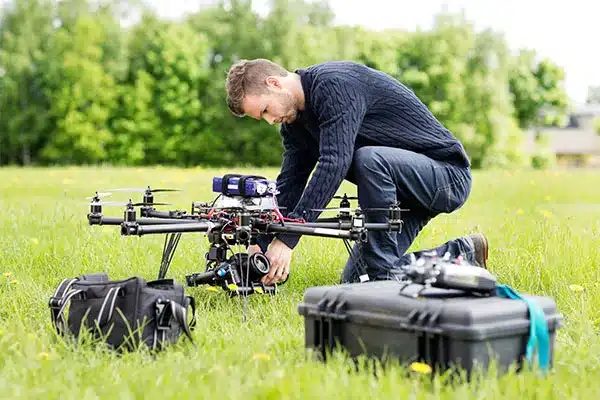
So you’ve checked all the regulations and have the perfect drone for capturing the Big Island’s captivating landscapes, but preparation doesn’t end there. Think of your drone as a small aircraft that needs meticulous attention to detail. Packing extra batteries is a must, especially for locations where charging facilities are scarce. Alongside that, ample memory cards are necessary to ensure you have enough storage for high-resolution photos and videos. Carrying a drone repair kit with essential tools and spare parts can save the day in case of unexpected malfunctions.
Protection for your drone is just as crucial. A sturdy carrying case designed for drones can safeguard your equipment during transit. Make sure the case is weatherproof to protect against sudden showers or moisture. Double-check your propellers, gimbal, and lens to ensure everything is clean and in working order. A pre-flight checklist can be a lifesaver, ensuring you don’t overlook essential factors like firmware updates or calibrations before you start your aerial escapade.
Must-Visit Locations
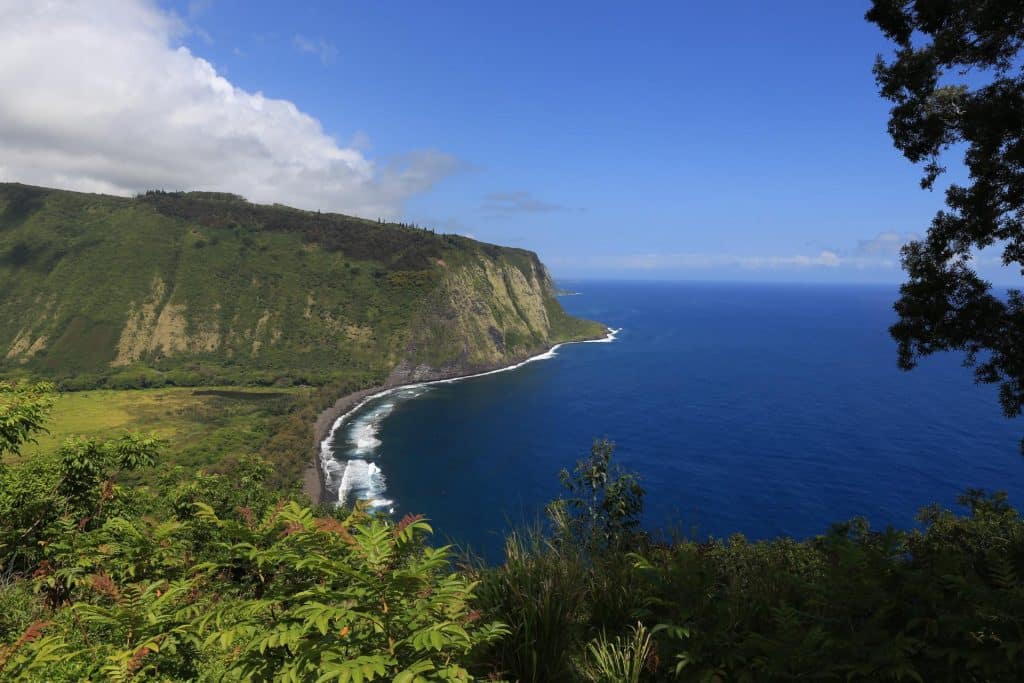
Once you’ve geared up, the next exhilarating phase of your journey is deciding where to fly. The Big Island is teeming with locations that are nothing short of a visual spectacle. Popular landmarks like Mauna Kea and Kilauea are natural choices for epic aerial shots. However, don’t overlook the more secluded spots like Waipio Valley or Hapuna Beach, which offer equally stunning but less crowded shooting opportunities. Timing your flights during the golden hours of dawn or dusk can add a magical touch to your images, not to mention the benefit of avoiding large crowds.
And while popular sites can offer iconic shots, venturing into lesser-known areas can provide a unique edge to your portfolio. Hidden coves, secret beaches, and untouched forests are just waiting to be discovered. Be aware of the local conditions, though, as weather can rapidly change, and some locations might require special permissions for drone flying. Always plan ahead and do your research to make the most of each flying session.
Shooting Techniques
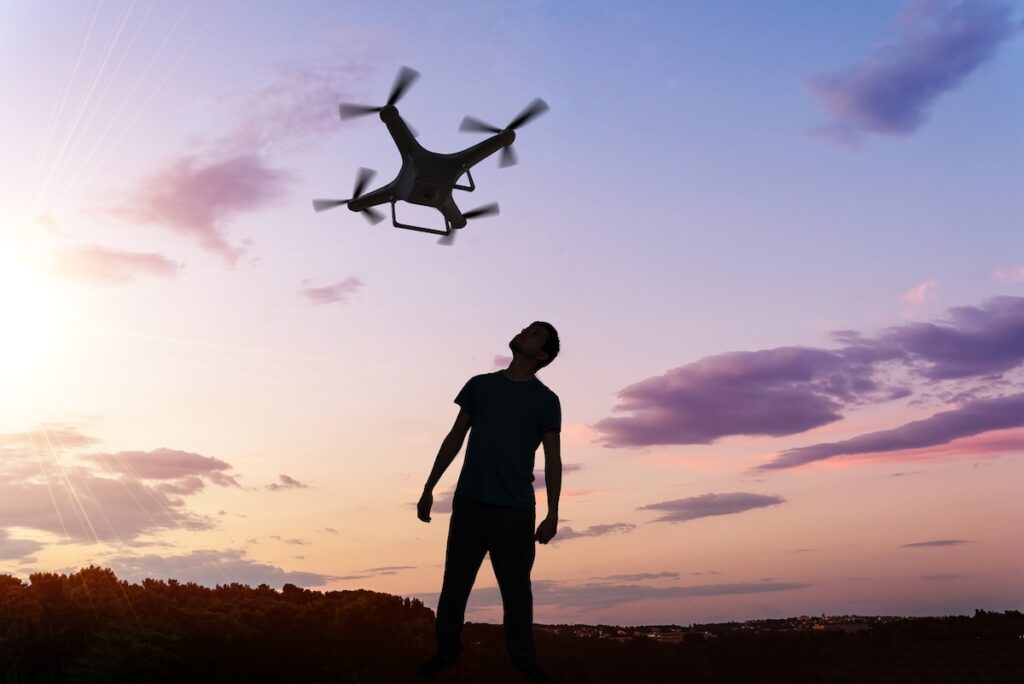
Now that you have chosen the perfect location, you’re ready to capture its grandeur. But how can you ensure that the photos you take do justice to the scenery? Basic drone maneuvers like orbiting, tracking, and elevating can create dynamic shots that bring your photos to life. Techniques such as tilting the gimbal while ascending can add drama to an otherwise static image. For those looking to push the boundaries of creativity, experimenting with long exposures during twilight can yield breathtaking results.
Mastering the principles of aerial photography is essential for achieving compelling compositions. The rule of thirds, leading lines, and framing are as important in drone photography as they are on the ground. Don’t forget to adjust your settings to suit the lighting conditions; incorrect white balance or exposure can mar an otherwise fantastic shot. Utilizing various lenses and filters can further enhance your images, allowing you to manipulate light and focus to suit your artistic vision.
Safeguarding Your Data And Equipment
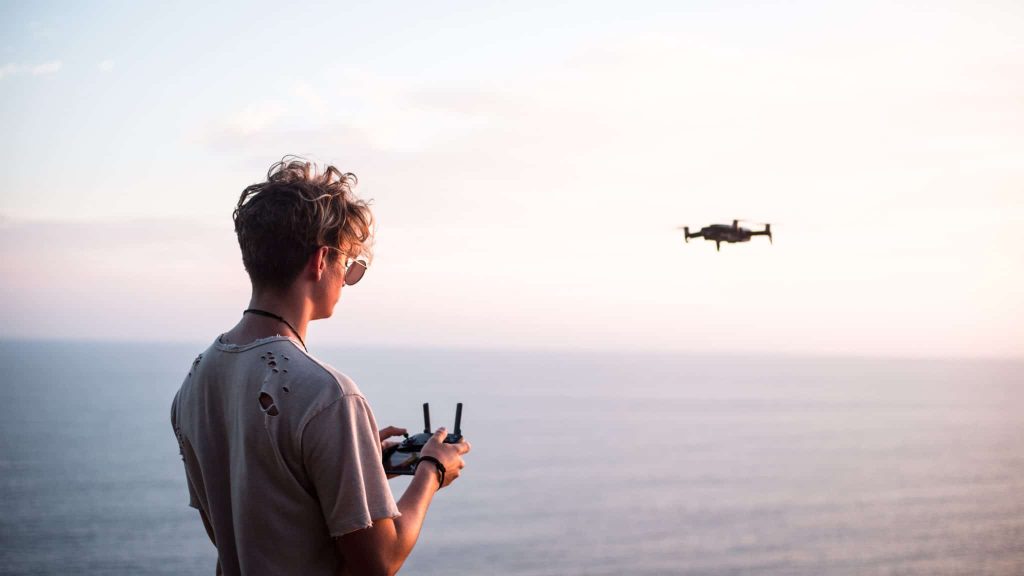
Flying a drone and capturing awe-inspiring shots can be exhilarating, but protecting those priceless memories is equally important. Regularly backing up your data ensures that your hard work doesn’t go to waste. Utilize both cloud storage and physical drives to keep your files secure. Some drones even come with automatic backup features, so explore those options when selecting your equipment.
When it comes to the physical safety of your drone, never underestimate the potential hazards of outdoor flying. Unexpected weather changes, bird strikes, or technical failures can pose significant risks. Always maintain a line of sight with your drone and make use of built-in safety features like return-to-home functions and obstacle avoidance systems. Pre-flight and post-flight inspections can identify potential issues before they become serious problems, ensuring that your drone remains in optimal condition throughout your Big Island adventure.
Drone Etiquette And Ethical Considerations

Flying a drone is not just about getting that perfect shot but also about being responsible and respectful. The joy of capturing breathtaking aerial views of the Big Island should never come at the expense of disturbing local communities or wildlife. Always notify locals or authorities if you plan to fly in populated or sensitive areas. Pay particular attention to designated quiet zones, cultural sites, and natural habitats, making sure your drone activities do not cause any disruptions.
The ethical dimension also extends to how you share and use the images. Before publishing or selling photos that feature people, private properties, or restricted areas, it’s crucial to secure proper consent or permissions. In a world where drone photography is becoming increasingly popular, adhering to ethical guidelines sets a standard for responsible behavior. It ensures that the pursuit of capturing the island’s beauty remains harmonious and respectful to all.
You’re Ready To Capture The Big Island From Above!
Navigating the skies of the Big Island with a drone offers an unparalleled photographic journey, providing a fresh perspective on some of the world’s most stunning landscapes. From selecting the ideal equipment to mastering shooting techniques and following ethical practices, this guide aims to be your companion for this incredible adventure. As technology evolves, so do the opportunities to capture the extraordinary. May this comprehensive guide inspire you to take to the skies and capture the Big Island in all its breathtaking glory. Whether you’re a novice flyer or a seasoned drone photographer, let the winds of the Big Island lift your creativity to new heights!


