The History Of Mochi In Hawaii

The mere mention of “mochi” can stir up nostalgia among those who have grown up in Hawaii. This chewy, delightful snack has become synonymous with Hawaiian culture, yet its roots are deeply embedded in Japanese history. For many families in Hawaii, mochi is not just a food item; it’s a symbol of unity, tradition, and a melting pot of cultures. This article aims to take the reader through the fascinating history of mochi in Hawaii, exploring its origins, evolution, cultural significance, and much more. So, sit back and prepare to be amazed by the intricate tale of this simple yet profoundly meaningful delicacy.

The Origin of Mochi
The History Of Mochi In Hawaii

The Roots of Mochi in Japan

Long before it found its way to the picturesque islands of Hawaii, mochi had a rich history in Japan. Mochi dates back to ancient times when it was a food reserved for religious ceremonies and the elite class. Over the years, mochi became more democratized, evolving from a sacred food to a treat enjoyed during festivals like the Japanese New Year. It symbolizes good fortune and happiness, often shared with family and friends on special occasions.

Journey to Hawaii

1868 marked a pivotal moment in the history of mochi in Hawaii. Japanese immigrants began arriving in the Hawaiian Islands, bringing with them their unique traditions and, of course, their cuisine. As they settled into their new home, mochi became a way to connect with their heritage while adapting to a new culture. The art of making mochi was passed down through generations, blending with the local customs to create a unique Hawaiian variant.

The Evolution of Mochi in Hawaii

The History Of Mochi In Hawaii

Traditional Methods

When mochi first made its debut in Hawaii, traditional preparation methods were employed, which typically involved a community gathering known as “mochitsuki.” This time-honored technique consists of steaming glutinous rice and then pounding it to a dough-like consistency using large mallets. This activity often became a community event, where families and friends came together to participate in the labor-intensive but rewarding process.

Modern Twists

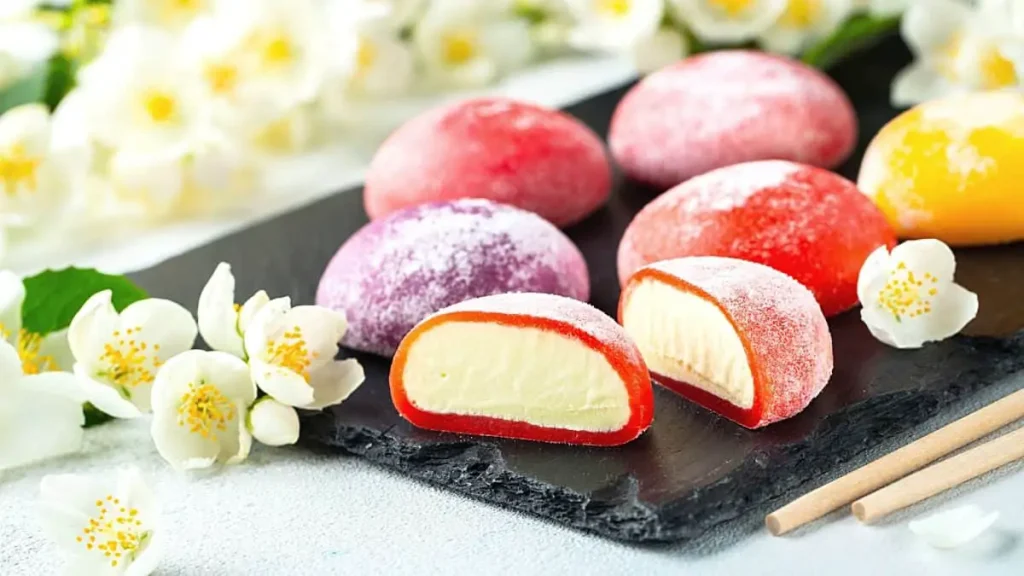
Over the years, Hawaii has seen a fusion of cultures, and mochi has been no exception to this blending. Today, you’ll find innovative takes on this traditional delicacy. From chocolate-filled mochi to exotic fruit flavors like lychee and mango, the evolution of mochi in Hawaii is a testament to the island’s diverse culture and open-mindedness towards food. It is common to find mochi filled with tropical fruits or transformed into ice cream.

Types of Hawaiian Mochi

The History Of Mochi In Hawaii

Traditional Mochi

Traditional mochi varieties hold a special place in Hawaiian culture despite the influx of new flavors and textures. These include “chi dango,” a sweet and colorful mochi often made for children’s parties, and “kirimochi,” a plain, white mochi that serves as an offering at religious ceremonies. Traditional mochi is often handcrafted and enjoyed during family gatherings, community events, and special occasions like the New Year.

Fusion Mochi

While tradition is crucial, Hawaiians are no strangers to culinary innovation. Fusion mochi is a delightful intersection of classic Japanese preparation methods and quintessentially Hawaiian flavors. From coconut to passion fruit, these tropical takes on mochi offer a bite-sized piece of paradise. Fusion mochi is a modern testament to Hawaii’s multicultural identity, blending culinary elements from different backgrounds into a mouthwatering treat that transcends cultural boundaries.

Cultural Celebrations Involving Mochi

The History Of Mochi In Hawaii

New Year’s Celebrations

In Hawaii, the New Year isn’t just a flip of the calendar; it’s an occasion that brings families together to honor traditions, including the making and eating of mochi. On New Year’s Eve, it’s common to find families participating in “mochitsuki,” a ceremonial mochi-pounding event. This tradition brings good luck and prosperity for the year ahead. Special types of mochi, like “kagami mochi,” a decorative mochi, are also made to be offered to the household gods.

Mochi Pounding Events

Another integral part of Hawaiian culture involving mochi is the community mochi-pounding events. These are not just reserved for New Year’s but occur throughout the year at various festivals and community gatherings. The experience is as hands-on as possible, allowing participants to feel the joy of transforming simple rice grains into a delectable treat. Such events help sustain the tradition and foster a sense of community, uniting people from different backgrounds over a shared love for mochi.

Mochi and Hawaii’s Economy

The History Of Mochi In Hawaii

Mochi Businesses

Over the years, mochi has remained a cultural artifact and evolved into a lucrative business. Many local shops and bakeries in Hawaii specialize solely in mochi, offering an array of flavors and styles. These businesses sustain local economies and contribute to Hawaii’s culinary reputation, making the islands a go-to destination for mochi aficionados.

Tourism Attraction

The allure of mochi goes beyond the local community, attracting tourists who wish to partake in this uniquely Hawaiian experience. Whether attending a mochi-pounding event or tasting the myriad of flavors available, mochi adds to Hawaii’s touristic appeal. Special mochi tours and workshops are even organized to satiate the curiosity of travelers, boosting tourism and contributing to the local economy.

The Nutritional Aspects of Mochi

The History Of Mochi In Hawaii

Health Benefits

Mochi is not just a tasty treat; it also offers some nutritional benefits. Made from glutinous rice, mochi is naturally gluten-free, making it accessible to those with gluten sensitivities. It is also low in fat and a source of carbohydrates for quick energy. Certain fillings like red bean also add a fiber and protein boost, making it a somewhat balanced snack when consumed in moderation.

Health Concerns

While mochi does have its merits, there are also some health concerns to be aware of. The chewy texture of mochi can be a choking hazard, especially for children and the elderly. Additionally, the high sugar content in some flavored versions can be a drawback for those monitoring their sugar intake. Enjoying mochi responsibly and being aware of these potential risks is essential.

The Future of Mochi in Hawaii

The History Of Mochi In Hawaii

Trends

As consumer preferences evolve, so does the world of mochi. From vegan and gluten-free options to new, experimental flavors, the future of mochi in Hawaii looks promising and exciting. Emerging trends like mochi donuts and mochi pancakes showcase the versatility of this traditional food, making it relevant for new generations.

Sustainability

With increasing awareness of sustainable food practices, steps are being taken to make mochi production more eco-friendly. This includes sourcing local ingredients to minimize carbon footprint and using biodegradable packaging. These practices align with the community’s values and ensure that the tradition of mochi-making can be sustained for future generations.

How To Experience Mochi In Hawaii

The History Of Mochi In Hawaii

Where to Buy

There are plenty of options for those intrigued enough to try mochi in Hawaii. The choices are endless, from local markets and specialized mochi shops to high-end restaurants offering gourmet versions. This article recommends visiting some of the longstanding mochi establishments to taste tradition and innovation.

Making Your Own

If tasting isn’t enough and one wishes to get hands-on, several workshops and classes teach the art of mochi-making. These classes offer an authentic experience and allow participants to take home their creations, extending the joy of mochi well beyond the vacation.

The Bottom Line

The story of mochi in Hawaii is a compelling narrative that illustrates the power of food to transcend cultural boundaries and unite communities. From its ancient Japanese origins to its evolution as a staple in Hawaiian celebrations, mochi is a delicious symbol of the islands’ rich, multicultural tapestry. As it continues to evolve, adopting new flavors and sustainable practices, one thing remains constant: mochi’s ability to bring people together, one sticky, sweet bite at a time.

Sponsored

Site Categories