
The Big Island’s Green Sand Beach, also known as Papakōlea Beach, is a natural wonder that has captured the imaginations of both locals and tourists alike. One of only four green sand beaches in the world, it offers a unique and picturesque experience that is unparalleled. Its emerald hue, derived from olivine crystals, is not just an aesthetic marvel but also a geological phenomenon. In this exploration, you will dive into the fascinating formation of the Green Sand Beach, the role of Mauna Loa Volcano, its cultural significance, and more to unravel the mystique of this captivating destination.
Formation Of The Green Sand Beach
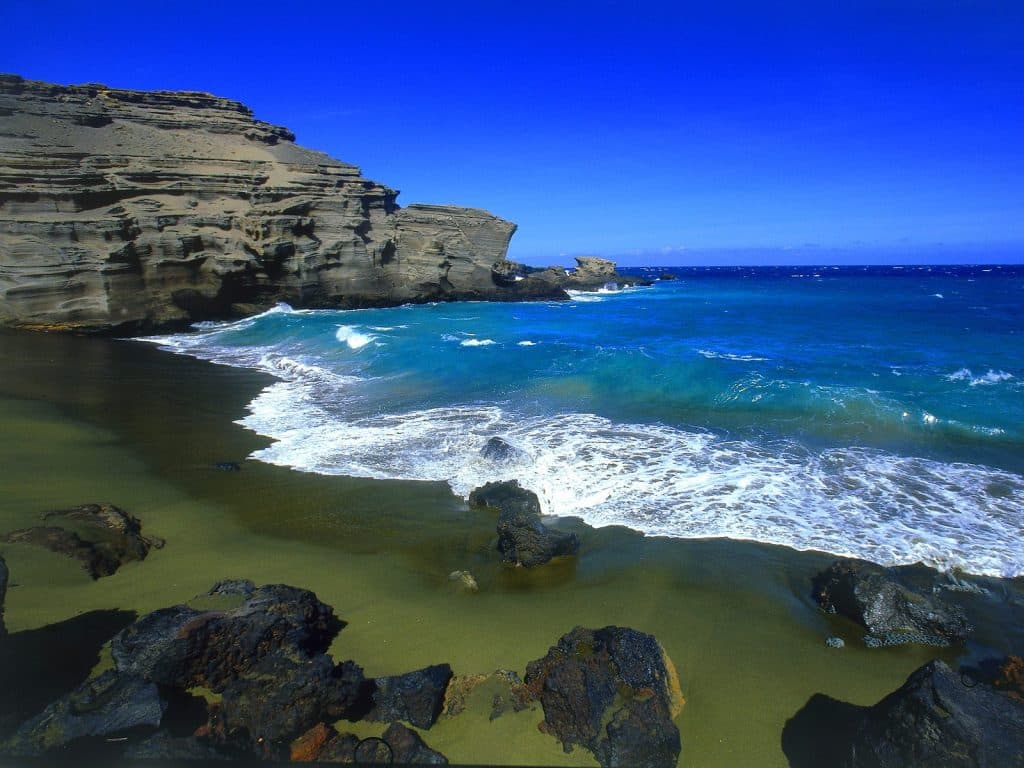
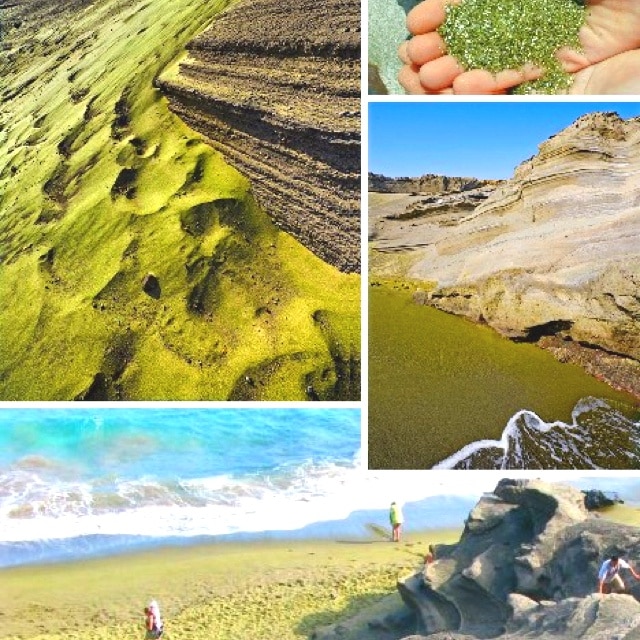
The Green Sand Beach found on the Big Island owes its distinctive color to the presence of olivine crystals, a mineral formed through the cooling of lava. As the lava from nearby volcanic activity cools and hardens, these olivine crystals are encapsulated within the resulting rock. Over time, the ocean’s waves break down the rock, leaving behind the dense, green olivine crystals that create the beach’s unique appearance.
Geologically, the beach is relatively young, with its formation process still in motion. The consistent volcanic activity in the region continues to contribute olivine to the area. This ever-changing landscape not only makes for an intriguing scientific study but also adds to the allure for those visiting the beach. Understanding its formation offers a deeper connection to this natural wonder.
The Role of Mauna Loa Volcano

Mauna Loa, one of the most massive volcanoes on Earth, plays a crucial role in the formation of the Green Sand Beach. Its frequent eruptions provide the necessary olivine-rich lava that forms the foundation of the beach. The relationship between Mauna Loa and the green sand serves as a testament to the dynamic interplay between volcanic activity and coastal geology.
The eruptions of Mauna Loa not only contribute to the beach’s formation but shape the broader landscape of the Big Island. Its influence is visible across various natural features, including other beaches and coastal formations. This direct link between volcanic activity and geology provides an exciting opportunity for geological enthusiasts to explore the island’s terrain and understand the power of Earth’s internal forces.
The Cultural Significance
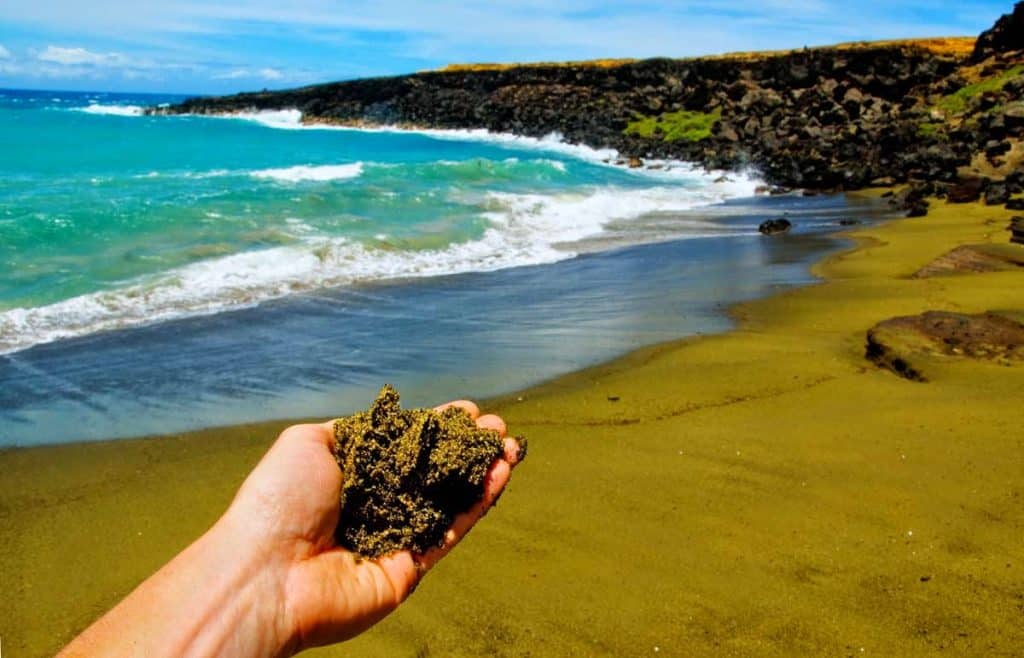
Papakōlea Beach holds a special place in Hawaiian culture and mythology. Local legends speak of its creation and the presence of deities associated with volcanic activity. The unique green hue of the sand has inspired various folktales, linking the beach with supernatural forces. For native Hawaiians, the beach represents not just a geological marvel but a spiritual connection to their land.
Furthermore, the beach’s significance extends to ceremonies and traditional practices of the local communities. Many locals view it as a sacred space, and the olivine crystals have been used in various rituals. Efforts to preserve this cultural heritage have led to specific guidelines and awareness initiatives aimed at respecting the site. For visitors, understanding this cultural context enriches the overall experience of the beach.
Environmental Considerations

The Green Sand Beach’s ecological balance is as remarkable as its geological features. The region is home to various native plant species and sea life contributing to its biodiversity. The presence of olivine crystals and volcanic substances creates a unique environment that supports specific organisms. Consequently, preserving this delicate balance has become a focus for environmentalists and local authorities who recognize the site’s ecological importance.
However, protection of the Green Sand Beach is no small task. Conservation efforts include regular monitoring of the beach’s condition, regulations limiting certain human activities, and educational initiatives aimed at visitors. Engaging in responsible tourism, such as following designated paths and refraining from removing the green sand, helps preserve this unique ecosystem for future generations. Visitors are encouraged to appreciate the natural beauty while adhering to guidelines that protect it.
Getting To The Green Sand Beach
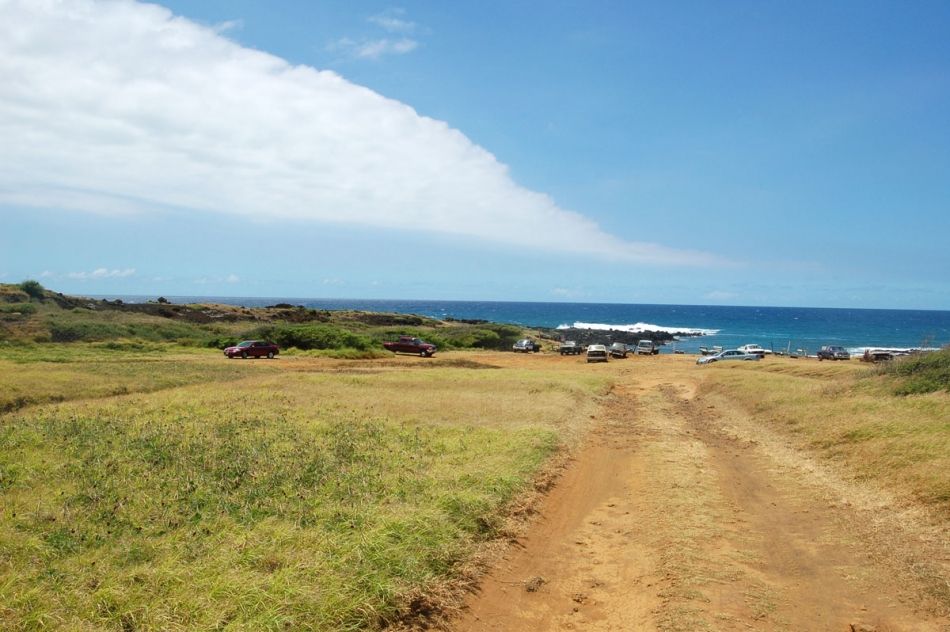
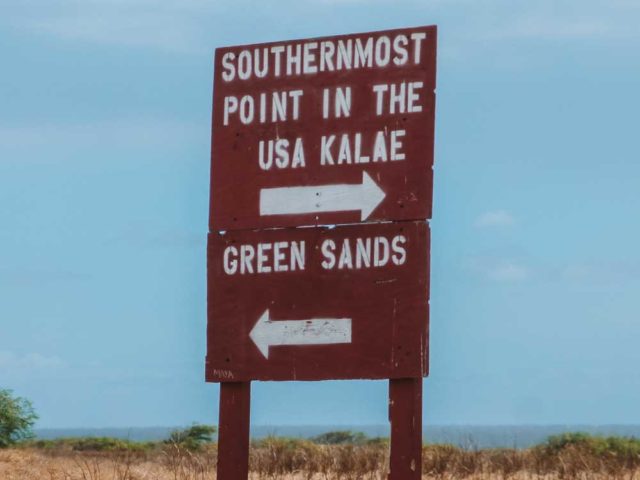
Reaching the Green Sand Beach is an adventure in itself. Generally accessible by a hike from the closest parking area, the trail offers an opportunity to experience the rugged coastal terrain. Though the hike can be somewhat challenging, the stunning views of the ocean and unique geological formations make it a rewarding experience. Travelers may also opt for local guides, who can provide both transportation and insightful information about the area.
Just keep in mind that safety should always be paramount when planning a trip to Green Sand Beach. The terrain can be rough, and weather conditions might change rapidly. Adequate preparation, including wearing proper footwear and carrying sufficient water, is essential. Understanding the route and potential risks, or hiring a knowledgeable guide, ensures a positive experience. For those unaccustomed to hiking, taking time to research and prepare can make the journey to the beach both safe and enjoyable.
What To Expect As A Visitor
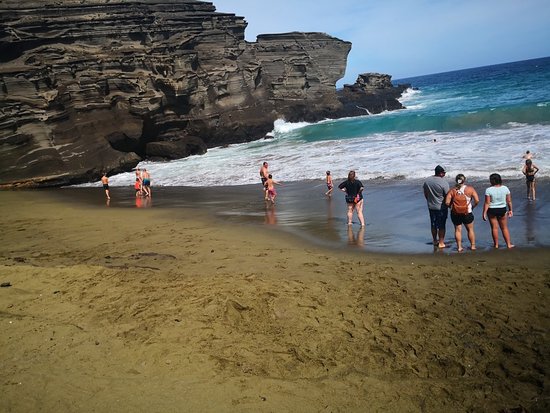
Visitors to the Green Sand Beach are treated to a surreal visual experience that contrasts the emerald sand with the deep blue ocean. While swimming is possible, the strong currents often recommend caution. The beach is more commonly enjoyed for sunbathing, photography, or simply absorbing the extraordinary scenery. The sense of tranquility, combined with the unique color of the sand, creates an atmosphere that captivates all who venture there.
The unique nature of the beach also means that visitors should come prepared. Amenities are scarce, so packing essentials like food, water, sunscreen, and a hat is advisable. The isolation of the beach adds to its charm but also demands self-reliance. Whether planning a quick visit or a day-long stay, considering the practical aspects will enhance the overall enjoyment of this distinctive destination.
Local Regulations And Respectful Tourism
The Green Sand Beach’s extraordinary features have also led to specific local regulations to preserve its integrity. Certain areas might be off-limits, and visitors are usually asked not to take sand or other natural items from the beach. Compliance with these regulations is not just a legal obligation but an ethical one, ensuring that the beach remains unspoiled for future generations.
However, respectful tourism goes beyond merely following rules; it’s about understanding and appreciating the place’s natural and cultural significance. Engaging with the beach responsibly includes adhering to marked trails, avoiding disturbance to wildlife, and showing respect for local customs and beliefs. By doing so, visitors contribute to the sustainability of this rare geological marvel and become part of a global effort to enjoy our planet responsibly.
Comparing With Other Green Sand Beaches
Though The Green Sand Beach on the Big Island is a fascinating destination, it’s worth noting that it is one of four green sand beaches globally. Other locations include Guam, the Galapagos Islands, and Norway. Each beach offers a distinct experience shaped by the unique geological and climatic factors of its region. Comparing these beaches helps highlight what sets the Big Island’s Green Sand Beach apart and provides a broader perspective on this rare geological phenomenon.
While each green sand beach shares the presence of olivine, the variations in the surrounding landscapes, accessibility, and local regulations make each unique. For instance, the beach in Norway is characterized by its proximity to glacial formations, while the one in Guam may be more accessible to visitors. The Big Island’s Green Sand Beach, with its blend of cultural significance and stark volcanic landscape, offers a combination that is hard to find elsewhere. Understanding these differences can enrich the experience for geological enthusiasts and casual visitors alike.
Tips for the Best Experience

Visiting the Green Sand Beach is an unforgettable experience, and a few simple tips can enhance it further. Timing the visit to avoid peak tourist seasons can offer a more tranquil experience. Early mornings or late afternoons provide softer sunlight for photography and a chance to enjoy the beach with fewer crowds. Additionally, consulting local weather forecasts helps plan for the hike and the stay at the beach.
Local attractions near the Green Sand Beach might include other unique geological sites or cultural landmarks. Combining the visit with other experiences can make the trip more fulfilling. Connecting with local guides or tourism offices can provide tailored recommendations based on interests and time available. Being open to exploring the broader region can turn a visit to the Green Sand Beach into a comprehensive adventure that captures the essence of the Big Island!
Explore The Wonders Of The Big Island’s Green Sand Beach!
The Big Island’s Green Sand Beach is more than a visual marvel; it’s a geological, ecological, and cultural treasure. From its formation through volcanic activity to its place in Hawaiian heritage, it invites exploration, learning, and respectful enjoyment. Whether it’s the singular experience of standing on green sand or the broader journey of understanding the world’s unique landscapes, a visit to this beach leaves a lasting impression. This guide provides not just a glimpse into this natural wonder but also a pathway to engage with it thoughtfully, celebrating its rarity and its connection to the Earth’s ever-evolving story!


