 By
By Hawaiians are some of the longest-living people in the world, with an average lifespan of up to 7 years longer than the rest of the world. Why is this? Many factors play a role, from cultural traditions to an active lifestyle that emphasizes health and wellness, but there are underlying reasons behind the long life spans that many don’t know about.
In this article, you will learn why Hawaiians typically live longer than other populations worldwide. Through comprehensive analysis, it will examine and uncover how their diet, values, and culture have uniquely impacted their longevity—allowing you to gain insight into what makes them such centenarians!
The Average Lifespan Of A Hawaiian

Living in a place as beautiful as Hawaii, it is no surprise that residents enjoy healthy life spans far longer than the regional average. Research has revealed that Hawaiian people tend to live at least y years longer than people living in the rest of the world, with an average lifespan of 80.7 years, according to 2020 statistics.
Compared to the average lifespan of other populations worldwide, Hawaiians enjoy an impressive 7-year life expectancy bonus! This statistic is worth noting as it speaks volumes about Hawaiian people’s health and lifestyle practices.
Factors That Allow Hawaiians To Live 7 Years Longer
Looking at the average lifespan isn’t enough to fully understand why Hawaiians are long-lived. To truly comprehend this phenomenon, it is essential to look at some factors contributing to their extra years of life.
Active Lifestyle
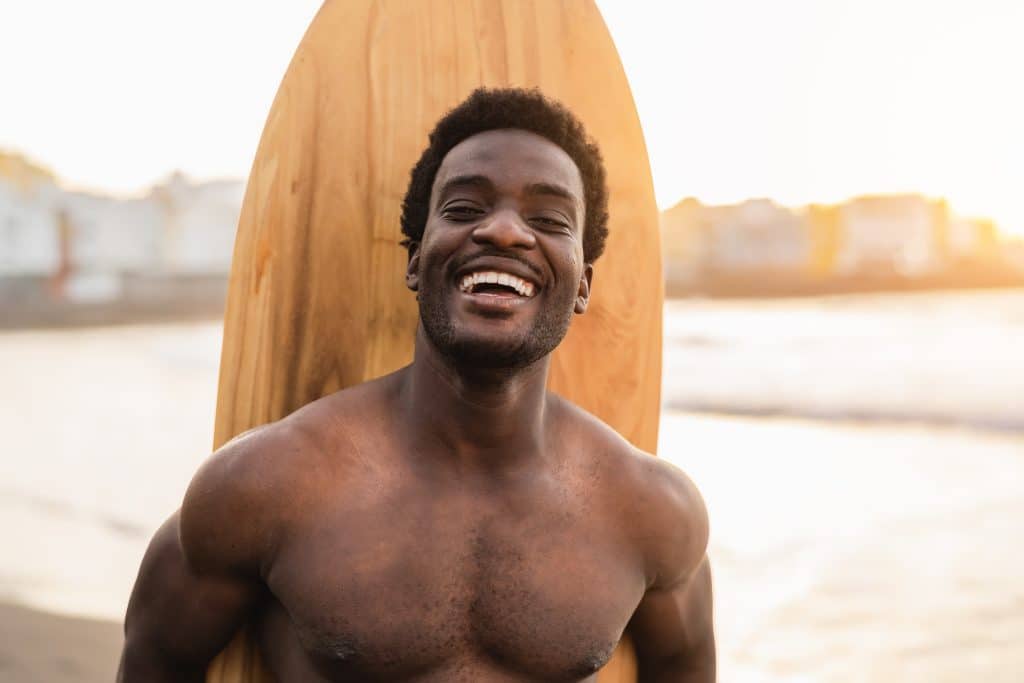
Hawaiians are known for their active and outdoor lifestyle. With its warm climate and beautiful natural surroundings, Hawaii is ideal for outdoor activities such as hiking, surfing, and swimming. Many Hawaiians are known to spend much of their time outdoors, engaging in activities that keep them active and promote physical fitness. And this daily physical activity helps to reduce the risk of chronic diseases and improve overall health, which is a key factor in why Hawaiians live longer.
Moreover, physical activity is not just limited to outdoor activities. Many Hawaiians also engage in traditional dance and cultural activities that require physical exertion. These activities provide a fun and enjoyable way to exercise and promote cultural and community connections. This plays an important role in improving the overall social health of Hawaiians.
Healthy Eating Habits

The typical Hawaiian also has a healthy and balanced diet rich in fresh and locally grown fruits, vegetables, and seafood. They often consume less processed and junk food and prioritize fresh, whole foods packed with nutrients and antioxidants. This diet helps reduce the risk of chronic diseases such as heart disease, stroke, and diabetes. Additionally, a diet rich in antioxidants and nutrients can help improve overall health and increase lifespan.
Furthermore, Hawaiians also have a strong tradition of communal eating and gathering around food. This social interaction helps reduce stress levels and improve overall well-being. It also allows for a greater variety of healthy foods to be consumed and an opportunity to try new and different types of cuisine. This can help to break the monotony of a typical diet and prevent boredom, which is often a contributing factor to unhealthy eating habits.
Strong Sense Of Community

Another piece of the puzzle lies in the invaluable community ties Hawaii has nurtured for centuries. Even before tourism dipped its toe into their vibrant shoreline, Hawaiians have been deeply connected to one another and their land. That same sense of solidarity has evolved to become an advantage that benefits Hawaiians today, providing them with an often overlooked source of good health and well-being.
Elderly residents are looked after by those around them, creating a cohesive network that ensures all receive appropriate assistance. In times of adversity, too, communities across these islands rally together to support one another as if they were part of an extended (Ohana) family – which encourages healthier lifestyles and empowers individuals to live longer, more active lives in a supportive environment.