
Hawaii offers more than just its stunning beaches and lush landscapes; it is a place deeply rooted in rich cultural traditions that offer a unique experience to every visitor. Among these traditions, the consumption of Kava is a distinctive practice that has been integral to Pacific Islander cultures for centuries. For travelers looking to immerse themselves fully in the local culture, trying Kava is a must. This article explores the various aspects of Kava, from its cultural significance to the best places to enjoy it in Hawaii.
Kava, known scientifically as Piper methysticum, is a plant native to the western Pacific and is renowned for its calming effects. Historically, it has played a pivotal role in spiritual and social gatherings across many Pacific Island communities, including Hawaii. The traditional beverage made from the root of the Kava plant is thought to promote relaxation and a sense of well-being, making it a popular choice among locals and tourists alike.
What is Kava?

Kava is a ceremonial beverage made from the ground roots of the Piper methysticum plant. It has been consumed in Hawaii and other Pacific islands for centuries during community gatherings and spiritual ceremonies. The traditional preparation of Kava involves grinding the root into a powder and mixing it with water, resulting in a muddy, earthy-tasting drink.
The significance of Kava extends beyond its physical effects; it is deeply woven into the cultural fabric of Hawaii. Preparing and drinking Kava is a form of respect and is often used to welcome guests and mark important occasions. Its consumption is accompanied by a set of customs that emphasize sharing, community, and connection.
Cultural Significance of Kava in Hawaii

In Hawaiian culture, Kava is more than just a drink; it facilitates dialogue and community bonding. The ‘awa (Kava) ceremonies are a testament to the island’s spirit of ‘ohana, or family, and are central to maintaining the community’s social fabric. During these gatherings, stories and traditions are passed down, strengthening the ties between the community members.
These ceremonies are typically inclusive, aiming to bridge the gap between elders and youth, locals and visitors, fostering a sense of unity and mutual respect. As such, participating in a Kava ceremony offers a unique insight into the Hawaiian way of life, marked by harmony and shared understanding.
The Kava Experience

Trying Kava for the first time can be a peculiar experience for many. The drink itself is slightly numbing on the tongue, with a bitter taste that can vary in strength depending on the preparation. The effects, primarily relaxing, can subtly wash over the drinker, often leading to enhanced sociability and a sense of peace.
Visitors are frequently surprised by the communal nature of a Kava session, where the drink is served in a large bowl and passed around among participants as stories and jokes are shared. It’s a social experience that epitomizes the laid-back Hawaiian lifestyle and offers a moment to slow down and connect with others meaningfully.
Health Benefits of Kava

Among the reasons for its popularity, Kava is reputed to have several health benefits. It is most commonly praised for its ability to relieve anxiety and stress. The active ingredients in Kava, called kavalactones, have soothing properties that contribute to its calming effects. Additionally, many users report that Kava helps with insomnia, providing a natural alternative to pharmaceutical sleep aids.
However, visitors need to approach Kava with moderation. While it is generally considered safe, excessive consumption can lead to health issues, and it is advisable to consult with a healthcare provider, especially for those with existing medical conditions or who are taking other medications.
Where to Find the Best Kava in Hawaii
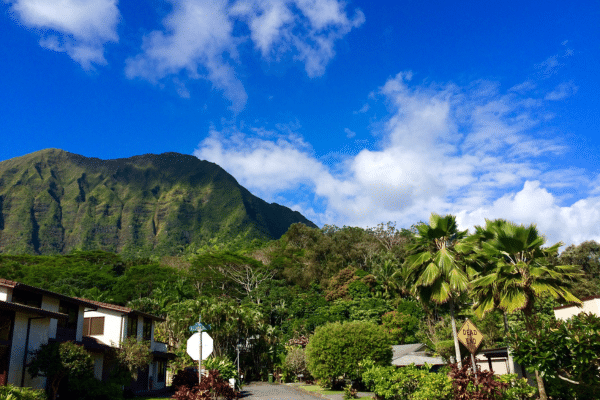
Hawaii offers numerous authentic ‘awa bars and cultural centers for those looking to try Kava. Oahu’s Hale ‘Awa, located on the outskirts of Honolulu, is a favorite among locals for its traditional preparation methods and community-driven atmosphere. Similarly, the Big Island’s Kava Kafe in Hilo offers a variety of Kava blends alongside cultural performances on certain nights.
When choosing a spot to experience Kava, it’s essential to look for places that source their Kava responsibly and prepare it using traditional methods. These locations provide the most authentic experience and support sustainable practices and local farmers.
Kava and Hawaiian Tourism
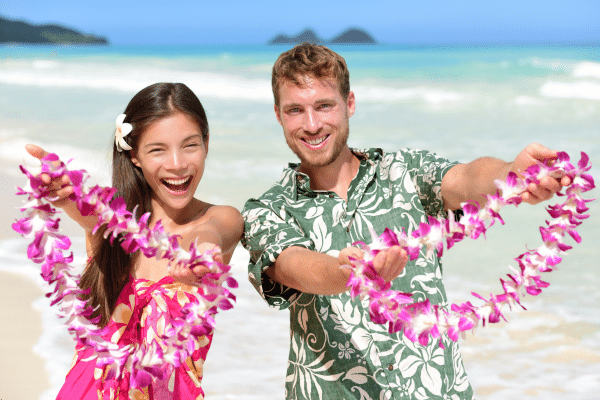
Kava tourism has become a growing segment within Hawaii’s travel industry, attracting visitors eager to experience local traditions firsthand. This increase in interest has bolstered the local economy, providing a sustainable source of income for many communities. Furthermore, it promotes cultural exchange and helps preserve Hawaiian traditions for future generations.
Tourism centered around Kava also encourages ethical interactions with the local culture, emphasizing respect and appreciation rather than mere consumption. Visitors leave with a deeper understanding of Hawaiian values and lifestyle, which can be a transformative experience compared to typical tourist activities.
Preparing for Your Kava Experience
A little preparation goes a long way to fully enjoy a Kava session. First-time drinkers should start with a small amount to gauge their reaction to the beverage. It’s also customary to participate in the ceremonial aspects, which might include wearing appropriate attire, often casual and respectful. Understanding and respecting the traditions surrounding Kava consumption will enrich the experience and foster deeper connections with the locals.
Visitors should also consider incorporating other cultural activities into their itinerary to extend their cultural immersion. Whether it’s a traditional Hawaiian luau, a hula performance, or a historical tour, each activity will complement the Kava experience and provide a broader context of Hawaiian culture.
Embracing the Aloha Spirit Through Kava
Experiencing Kava in Hawaii offers more than just relaxation; it is a gateway to understanding and embracing the Aloha spirit. This spirit is characterized by warmth, community, and mutual respect—values that are deeply embedded in Hawaiian culture. By trying Kava, visitors engage with these values directly, participating in a centuries-old tradition that continues to hold great significance today. Whether sitting in a cozy ‘awa bar or joining a communal ceremony on the beach, drinking Kava in Hawaii is about connection—to the land, its people, and their heritage. It’s an experience that truly embodies the essence of Hawaii and leaves a lasting impression long after the last cup is shared.


