
Kilauea Volcano, one of the most active volcanoes in the world, is known for its frequent eruptions that significantly impact the Hawaiian Islands. There’s growing anticipation surrounding what the next eruption may bring. While past eruptions, like the 2018 event, have caused destruction, they have also shaped the landscape of the Big Island. As scientists closely monitor Kilauea’s activity, understanding what to expect can help locals and visitors stay prepared. This blog explores the history, science, and impact of Kilauea’s eruptions, mainly focusing on what may occur in 2025.
Kilauea’s Volcanic Activity: A Brief History
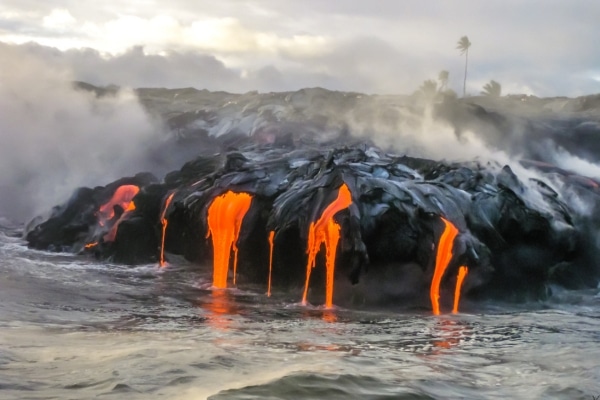
Kilauea has been erupting for centuries, with its activity shaping both the island and the people who live there. The volcano first erupted in recorded history in 1823, with significant events occurring in 1955, 1983, and more recently in 2018. The 2018 eruption was particularly destructive, displacing thousands of residents and destroying hundreds of homes. Despite these challenges, the eruptions also created new land and ecosystems, contributing to Hawaii’s unique biodiversity.
Over the years, Kilauea has gained a reputation for its persistent activity. Scientists study its eruptions to better understand volcanic behavior and to improve eruption forecasting. As one of the most active volcanoes globally, Kilauea provides valuable data to researchers. The frequent eruptions, however, also highlight the unpredictability of volcanic activity and the need for constant monitoring to protect both human life and property.
The Science of Kilauea’s Eruptions
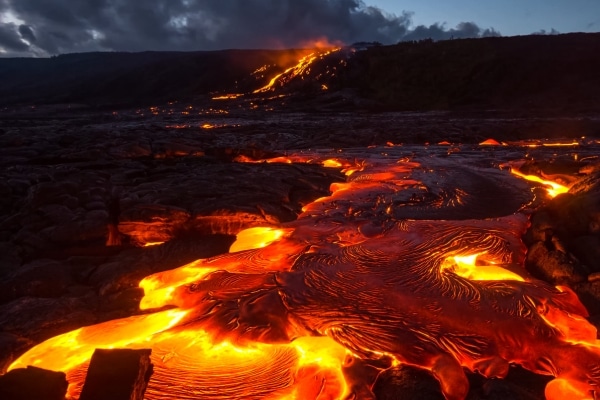
Kilauea’s eruptions are a direct result of tectonic activity occurring beneath the Earth’s surface. The Hawaiian Islands sit atop a hotspot, where molten rock, or magma, pushes through the crust, causing the volcanoes to erupt. The magma that rises to the surface creates lava flows, characteristic of Kilauea’s eruptions. The regularity of these eruptions is due to the continuous supply of magma that feeds the volcano, making it one of the most active in the world.
When Kilauea erupts, the magma often flows slowly but steadily, allowing scientists to study the eruption in real time. Volcanic gases, such as sulfur dioxide, are emitted during an eruption and contribute to the formation of volcanic smog, or vog. The lava flows can have varying impacts, from creating new land to destroying existing infrastructure. By studying seismic activity, ground deformation, and gas emissions, experts can predict when and where the next eruption is likely to occur.
The 2025 Eruption Forecast and Predictions

In 2025, scientists predict that Kilauea will likely continue its cycle of eruptions, though the timing and intensity remain uncertain. Monitoring stations around the volcano, including seismographs and gas sensors, provide real-time data to help forecast eruptions. While predictions suggest increased seismic activity, the exact timing of a major eruption is challenging to pinpoint. Still, experts believe that the patterns seen in 2025 may resemble those of previous years, with possible lava flows and local ash clouds.
Several factors, such as the volume of magma beneath the surface, will determine how large the eruption might be. Kilauea’s eruptions are typically effusive, meaning lava flows gradually down the volcano’s sides rather than causing explosive blasts. However, scientists cannot rule out more intense explosive eruptions, which could create ash fallout that affects surrounding communities. With monitoring efforts ongoing, residents and authorities can prepare for different eruption scenarios in the coming years.
Impact of the 2025 Eruption on Local Communities

The 2025 eruption has the potential to significantly impact nearby communities, especially those living near Kilauea. The lava flows could threaten homes, roads, and infrastructure, as seen during previous eruptions. The lava can move quickly, making it essential for residents to be prepared and informed about evacuation routes and emergency services. Additionally, the potential for volcanic gases like sulfur dioxide to affect air quality is another concern for health and safety.
Local communities will also face challenges in the aftermath of the eruption, including possible displacement and the loss of property. Businesses in the region, particularly in tourism, may experience disruptions due to the eruption’s effects on accessibility. The local economy may be hit hard with temporary closures of roads, parks, and attractions. Despite these challenges, experience has shown the resilience of Hawaiian residents, who often rebuild and adapt to their changing environment.
Kilauea’s Unpredictability and What It Means for Locals

Being prepared is crucial when living near an active volcano like Kilauea. Residents should have an emergency plan, which includes knowing evacuation routes, having supplies like water, food, and first-aid kits, and ensuring all family members are familiar with the plan. A designated meeting point is also crucial if communications are disrupted during the eruption. By staying informed about the latest eruption forecasts and taking action early, individuals can help protect themselves and their families.
In addition to personal preparedness, homeowners should consider securing their properties by installing fire-resistant materials and reinforcing roofs and windows. Communities often have emergency preparedness programs and updates that residents should attend. It’s vital to stay updated with the latest reports from the United States Geological Survey (USGS) and other local agencies. This information can provide crucial details about evacuation orders, air quality warnings, and how to deal with volcanic ash in the aftermath.
Volcanic Hazards Beyond Lava: What Else to Watch For
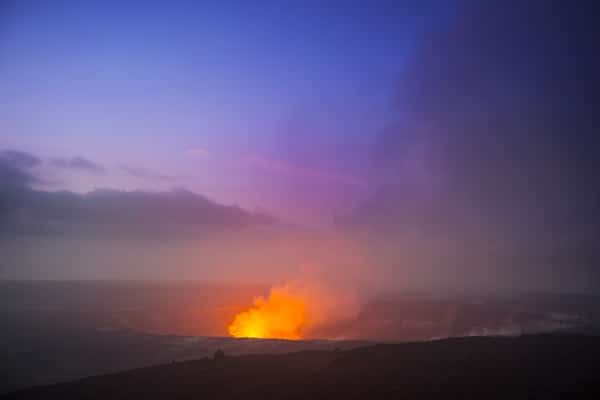
While lava is the most dramatic hazard during a volcanic eruption, Kilauea presents other risks that can be just as dangerous. Volcanic ash, which can travel miles from the eruption site, poses a significant threat to health and infrastructure. Prolonged exposure to ash can irritate the eyes and lungs, especially for those with respiratory issues. Communities must be prepared for heavy ashfall, disrupting air travel, damaging vehicles, and making breathing difficult outdoors.
Another often-overlooked danger is volcanic gas, particularly sulfur dioxide, which is emitted during eruptions. When inhaled, these gases can cause respiratory issues and eye irritation. In some cases, it can even lead to more severe health problems, especially for those with pre-existing conditions like asthma. A precautionary measure that can be taken is to stay indoors, use air filters, and keep windows and doors closed to limit exposure. Monitoring local air quality reports and heeding warnings can help mitigate these health risks.
Kilauea’s Ongoing Impact on the Environment and Wildlife

Kilauea’s eruptions are more than just an event for human populations—they also drastically affect the surrounding environment and wildlife. The lava flows from Kilauea create new land but can also destroy ecosystems, including forests, plants, and wildlife habitats. Species native to the Hawaiian Islands face particular threats as their homes are wiped out by the lava. This ongoing land transformation process means certain species must adapt, migrate, or face the risk of extinction.
While lava flows are damaging, volcanic eruptions also lead to the creation of new ecosystems over time. As new land is formed, it opens up opportunities for plant and animal life to repopulate. In some cases, these eruptions contribute to increased biodiversity as new species find a way to thrive in these unique conditions. While the immediate impact of the eruption on the environment can be catastrophic, the long-term effects can reshape the Hawaiian landscape in a way that encourages the growth of new ecosystems.
Embracing the Power of Nature – The Ongoing Journey with Kilauea
Kilauea Volcano remains one of the world’s most active and fascinating volcanoes. While it presents significant risks, the 2025 eruption allows scientists and residents to witness how volcanic activity shapes the land and environment. By staying informed, preparing for the eruption, and understanding the potential risks, the people living in the region can better protect themselves. Whether through planning for safety or understanding the broader impact on the landscape, staying proactive is key to navigating the upcoming eruption.


