 By
By Nestled among the vast Pacific, the Hawaiian Islands represent a dual paradise, celebrated for their picturesque landscapes and the vibrant underwater ecosystems beneath. The coral reefs, often termed the rainforests of the sea, play a crucial role in marine and terrestrial life. Yet, these vital structures face threats that could devastate local biodiversity and impact economic and environmental conditions globally. This article delves into the state of Hawaii’s coral reefs, exploring their significance, the risks they face, and the efforts underway to preserve these natural wonders.
The Current State of Hawaiian Coral Reefs

Coral reefs are among Earth’s most biologically diverse ecosystems, offering habitat, breeding grounds, and protection for numerous marine species. In Hawaii, these reefs are witnessing significant declines, characterized by coral bleaching and disease outbreaks exacerbated by rising sea temperatures. Recent assessments classify the health of these reefs as “fair” but declining, with notable bleaching events recorded in 2014 and 2015. The decline affects biodiversity and threatens traditional Hawaiian practices that rely on healthy reefs for fishing and cultural activities.
The situation is dire, with environmental scientists like Danny DeMartini from Kuleana, a coral restoration non-profit, noting marked increases in water temperatures in localized areas, leading to widespread coral death. These localized increases are particularly prevalent in shallow bays with limited water flow, creating hotspots of environmental stress for coral communities. Such conditions are conducive to algal overgrowth on corals, further stifling their ability to recover and maintain their structural integrity, which is essential for the overall health of the oceanic ecosystems surrounding the islands.
Economic and Ecological Impact
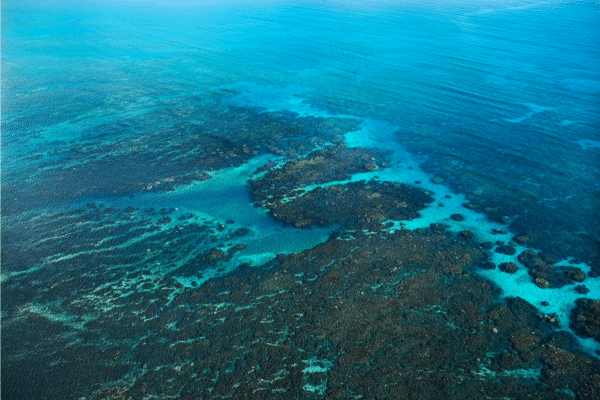
Coral reefs’ ecological value extends far beyond their beauty and biodiversity; they are also economic powerhouses. According to a U.S. Geological Survey report, live coral reefs provide flood protection benefits to over 6,800 residents on the Hawaiian islands, helping avert approximately $836 million in damages annually. These natural barriers help dissipate wave energy, reducing the impact of storms and erosion on coastal communities, which is crucial for island states like Hawaii, where land is at a premium.
Moreover, the degradation of these reefs poses substantial economic threats. A decrease in reef height by just one meter could expand flood plains across Hawaii, endangering an additional 9,200 people with flooding and affecting over $1.3 billion in property and economic activities. The potential for such catastrophic financial loss highlights the urgent need for effective conservation strategies to preserve these natural assets for their ecological benefits and their role in the local and state economies.
Causes of Coral Decline

Global warming and ocean acidification are the primary culprits behind the decline of Hawaiian coral reefs. As global temperatures rise, corals experience stress that leads to mass bleaching events. During these events, corals expel the algae living in their tissues, losing their color and vital energy sources. These bleaching events have become more frequent and severe, weakening corals and making them susceptible to disease.
Ocean acidification compounds these challenges by decreasing the water’s pH levels due to increased carbon dioxide absorption. This chemical change reduces the corals’ ability to calcify, weakening skeletal structures and diminishing reef growth. The combination of thermal stress and acidification is proving too severe for many corals, accelerating the decline in reef health and stability, vital for maintaining the biodiversity and ecological balance of Hawaii’s marine environments.