 By
By Many different Hawaiian islands make up the entirety of the state of Hawaii. And what makes this destination even more unique is that each island has its unique personality and set of attractions. So if you’re considering visiting the area, it’s good to understand the differences between each island before deciding which one is right for you. And in this article, you will learn about their significant differences! That way, you can plan the perfect Hawaiian vacation!
How Many Islands Does Hawaii Have?
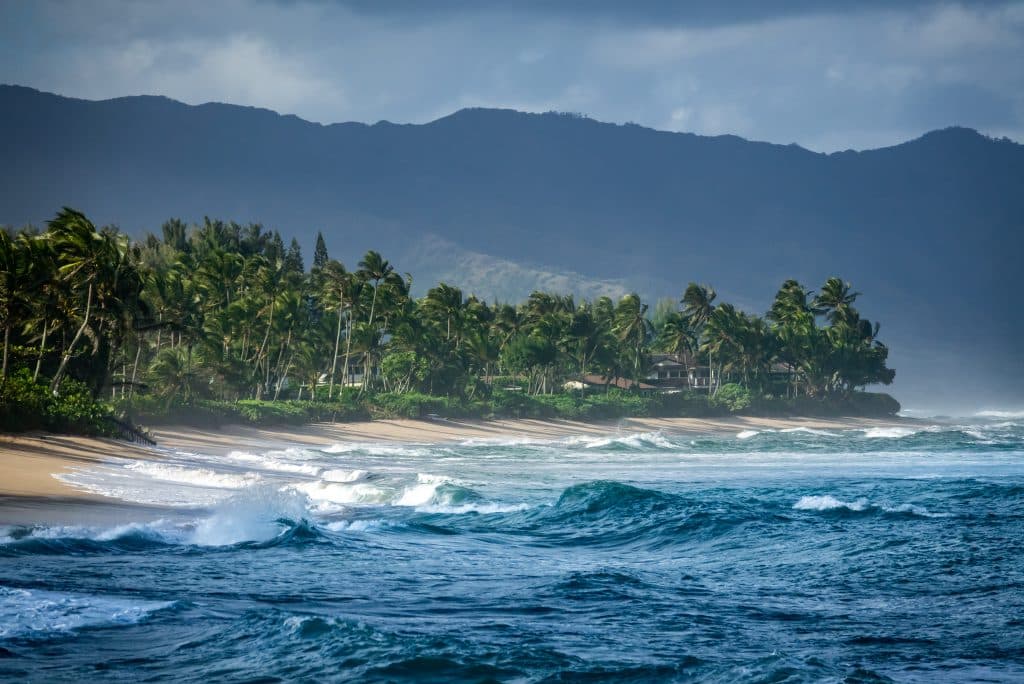
Although often thought of as a single entity, Hawaii consists of dozens of islands. The main islands – Kauai, Oahu, Maui, Lanai, and Hawaii – are all located in the Hawaiian archipelago, stretching over 1,500 miles. In total, there are eight main islands and 124 minor ones. Most of the population lives in Oahu, where the capital city of Honolulu is.
However, each island has its unique charm and attractions. And when it comes to visiting the state, you typically have your choice between 6 different islands, the big island of Hawaii, Oahu, Maui, Kauai, Lanai, and Molokai. Each one offers a different experience for visitors, making it important to understand their differences if you’re planning your trip.
The Differences Between The Hawaiian Islands
As you may know, every island of Hawaii is home to some beautiful natural landscapes and has unique cultural elements that you won’t find anywhere else. However, they do have some significant differences between each of them! This section will examine each island individually and highlight some of its most important distinctions.
The Big Island of Hawaii

The Big Island of Hawaii is the largest in the Hawaiian archipelago and the most diverse. Unlike the other islands, primarily volcanic in origin, the Big Island is home to five different volcanoes. As a result, the island has a wide range of landscapes, from lush rainforests to barren lava fields. The island is also home to several unique species of plants and animals, many of which are found nowhere else on earth.
In addition, the Big Island is the only place in Hawaii where coffee and vanilla are grown commercially. As such, it offers visitors a unique experience that they cannot find anywhere else. And if you’re a foodie, you’ll want to make plans to visit the island and taste some of the delicious local specialties, such as macadamia nut-crusted fish or vanilla ice cream.
Oahu

Oahu is often called “the heart of Hawaii” because it is home to the state capital, Honolulu. The island is also the most populous in the state, with over 940,000 residents. While Oahu may be best known for its bustling city life, the island also boasts several natural attractions, including Diamond Head State Park and Hanauma Bay Nature Preserve. Moreover, Oahu’s North Shore is famous for its big waves and surfing beaches, while the Waikiki neighborhood is a popular destination for tourists.
But some of the things that truly separate Oahu from the other Hawaiian islands are its unique cultural elements. First, the island is home to two ethnic groups – Native Hawaiians and Asian Americans – who have heavily influenced the island’s culture. Second, Oahu is a “melting pot” of food cultures because it has influences from all over the world, including Chinese, Japanese, Korean, Vietnamese, Filipino, and Portuguese.