Hawaii, a tropical paradise known for its idyllic beaches, lush vegetation, and vibrant culture, is also a land of diverse weather patterns. Each of its islands boasts unique microclimates, resulting in various landscapes and experiences for locals and tourists alike. But one city stands out among the rest for its abundant rainfall – Hillo. Tucked away on the eastern shore of the Big Island, Hilo holds the title of the rainiest city in the entire Hawaiian archipelago. This article aims to take you on a journey to explore the profound influence this constant rainfall has on Hilo’s environment, lifestyle, architecture, gastronomy, and tourist attractions. Prepare to discover a city that dances in the rain.
Hawaii’s Weather Patterns
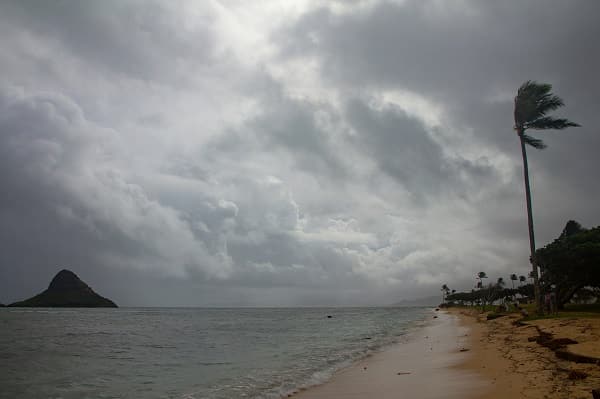
In the Hawaiian archipelago, the weather patterns can be strikingly varied, which owes to the islands’ diverse topography. The islands are subjected to the persistent Northeast trade winds, creating different weather conditions on the windward and leeward sides. Generally, the windward sides, facing the direction of the wind, receive more rainfall, leading to lush, green landscapes. In contrast, the leeward sides experience less rain, resulting in drier, sunnier climates.
A perfect example of this microclimatic diversity is the Big Island, home to Hilo. The Big Island harbors 11 of the world’s 13 climate zones despite being a single island. From snowy mountain peaks to black sand beaches and rainforests, the weather patterns on this island alone vary significantly. The varied weather conditions shape the islands’ ecosystem, lifestyle, and agricultural practices.
Hilo: The Rainiest City In Hawaii
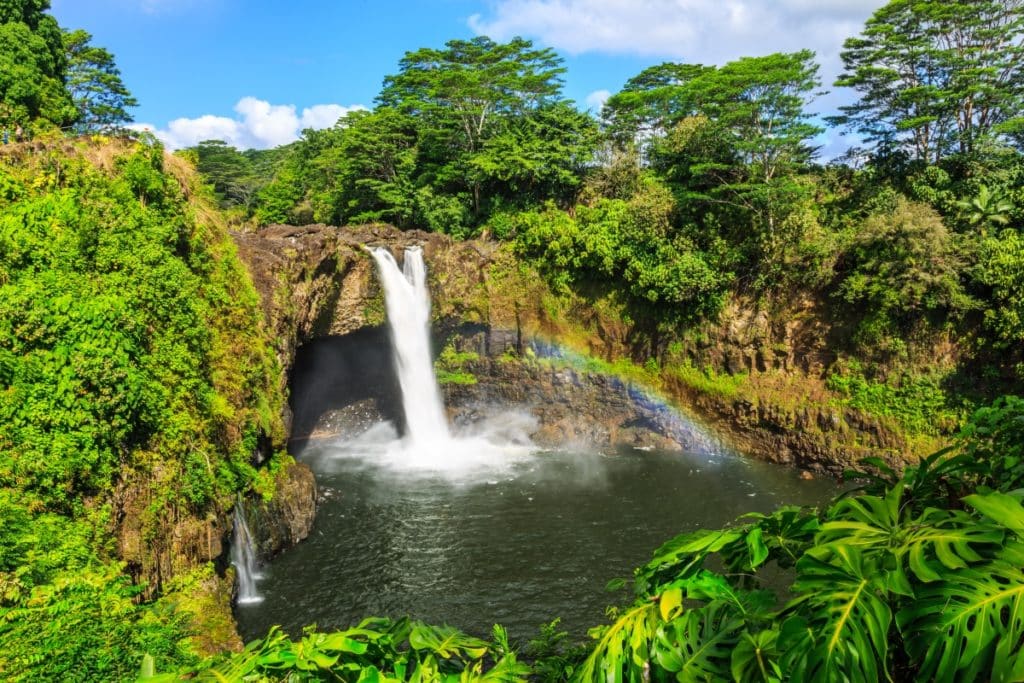
Hilo, sitting on the windward side of the Big Island, is exposed to the moisture-laden trade winds from the Pacific Ocean. These winds hit the mountainous terrain, causing the air to rise and cool, subsequently forming clouds and rainfall. This orographic lift phenomenon makes Hilo the recipient of over 130 inches of rain annually, effectively making it the rainiest city in Hawaii.
Although Hilo is well-known for its constant drizzle and heavier showers, the rain here isn’t typically the torrential downpour that hinders everyday life. Instead, the rain often comes in short bursts, interspersed with periods of sunshine. This rain rhythm gives Hilo its unique weather personality – a blend of sun and rain that shapes the city’s environment and lifestyle.
Weather Impact On Hilo’s Flora And Fauna

The constant rainfall in Hilo feeds its verdant landscapes, fostering an environment rich in flora and fauna. The area is home to rainforests filled with giant ferns, bamboo groves, and diverse flowering plants. Some unique plant species, such as the ohia lehua and the hapu’u fern, are well-adapted to the wet conditions, showcasing nature’s remarkable resilience and adaptability.
As for the fauna, Hilo’s rain-soaked environment sustains a vibrant ecosystem that houses numerous native and exotic species. The rainforest and streams serve as a habitat for birds like the Hawaiian Hawk or ‘Io, the official bird of the Big Island, and the Hawaiian Honeycreeper, famous for its curved beak. Endemic amphibians, such as the gold dust day gecko, are frequently spotted, making Hilo a living canvas of biodiversity.
Living In Hilo: Embracing The Rain
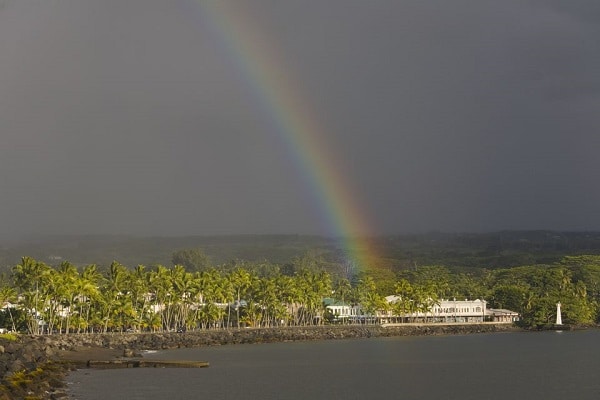
Life in Hilo is characterized by a unique rhythm, a dance between residents, and the recurring rain. While high rainfall could be seen as a challenge in many places, the people of Hilo embrace it as an integral part of their daily lives. The rain becomes the backdrop against which life unfolds, from daily chores to community events. Residents are equipped with rain gear, and umbrellas are a common sight on Hilo streets. But it’s not all about adapting to the weather; the rain has also influenced local customs and traditions, creating a rain culture unique to Hilo.
Hilo’s rainfall has shaped the community’s resilience and spirit in many ways. There’s a local saying in Hilo, “No rain, no rainbows,” signifying the local’s positive outlook toward life’s challenges. Stories and anecdotes from locals reveal a fond acceptance of their rainy weather, often referring to it as “liquid sunshine”. Rain in Hilo isn’t a reason to stay indoors; rather, it’s an invitation to step out and experience the world from a refreshing perspective.
Pingback: Visiting Hilo: A Guide To The Rainy Side And Its Hidden Charms