 By
By The Influence Of Rain On Hilo’s Architecture
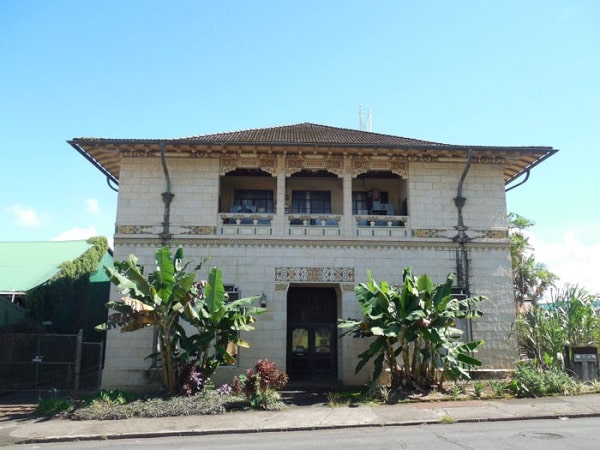
A city as rainy as Hilo demands special architectural considerations, and indeed, you can see the influence of weather on its buildings. From steeply sloped roofs for efficient rainwater drainage to extended overhangs for walkway protection, Hilo’s architecture is a testament to the city’s adaptation to weather conditions. Many homes in Hilo are built on stilts to prevent flood damage and allow cool air to circulate beneath the houses.
Innovation goes beyond home design; the city boasts impressive rainwater harvesting systems. Catchment systems are widespread in Hilo, where rainwater is collected, stored, and utilized for various household needs. Some of Hilo’s iconic structures, including its schools and commercial buildings, showcase this blend of aesthetics and functionality in their designs. These buildings do not just withstand the rain; they work with it.
Hilo’s Rain-Induced Gastronomy

The gastronomic scene in Hilo is as vibrant as its weather, and it’s no surprise that the constant rainfall plays a role in shaping it. The fertile soils, nurtured by the frequent rain, support a rich array of crops, from tropical fruits like papayas and lychees to unique vegetables. Taro, a staple in Hawaiian cuisine, thrives in the waterlogged fields, shaping a significant portion of the local diet.
The local cuisine showcases the island’s abundant produce, with dishes featuring fresh fruits, vegetables, and seafood. A popular local dish is the traditional Hawaiian Poi, made from taro root. Moreover, the farmers’ markets in Hilo are a delight for any food lover, where the bounty of the land, nurtured by the rain, is on full display. Thus, the weather indirectly influences Hilo’s culinary culture, fostering gastronomy that is both diverse and deeply connected to the land.
Rainy Day Activities In Hilo
Hilo has no shortage of activities to enjoy, even when it’s raining. The city offers many unique attractions that can be experienced irrespective of the weather. The Imiloa Astronomy Center’s planetarium and indigenous Hawaiian culture exhibits make for a perfect indoor exploration. Similarly, the Pacific Tsunami Museum offers insightful history lessons about tsunamis in the Pacific.
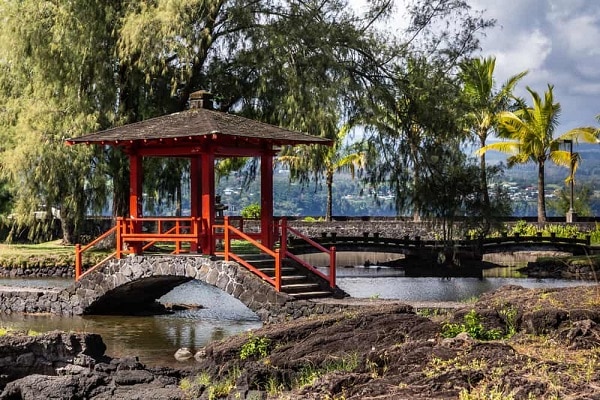
For those who don’t mind a little drizzle, a walk in the Liliuokalani Gardens offers beautiful views of the city’s Japanese-inspired landscaping, which only gets more enchanting under the rain. Hiking in the rainforests, visiting the stunning Rainbow Falls, or exploring the volcanic landscapes of the Hawaii Volcanoes National Park, Hilo presents an array of activities that become uniquely memorable under the constant pattern of raindrops.
The Bottom Line
Through the exploration of Hilo, it’s evident how the rainiest city in Hawaii offers a unique blend of culture, lifestyle, and natural beauty shaped largely by its rainfall. The city shows us that rain, often viewed as an inconvenience, can be an integral part of life and an influencer of culture, cuisine, architecture, and local biodiversity. For the residents of Hilo, the constant drizzle and heavy showers are not mere weather patterns but a way of life that fosters resilience and unity. Thus, Hilo invites its visitors to explore a city and experience a way of life that embraces and rejoices in the rain. In Hilo, the rain doesn’t dampen the spirit; it nurtures life, vividly depicting nature’s generosity. Whether you’re a first-time visitor or a returning traveler, Hilo is a place that compels you to look beyond the raindrops and witness the rainbows they bring.