Dangerous Roads on the Big Island Every Driver Should Avoid

Driving on the Big Island of Hawaii is an adventure filled with stunning landscapes and diverse terrains, but it also comes with unique challenges. Some of the island’s roads are notorious for their steep inclines, sharp turns, and unpredictable weather conditions. These factors can turn a routine drive into a potentially dangerous experience, especially for those unfamiliar with the area. Understanding which roads require extra caution is essential for ensuring a safe journey. This post highlights four of the most dangerous roads on the Big Island, offering insights into their risks and tips for navigating them safely.

Saddle Road (Hawaiʻi Route 200)

Dangerous Roads on the Big Island

Once known as one of the most dangerous roads in Hawaii, Saddle Road has undergone significant improvements over the years. Connecting Hilo to Waimea, this route stretches through the heart of the Big Island between Mauna Kea and Mauna Loa. Despite modern upgrades, the road remains hazardous due to unpredictable weather, including sudden downpours and dense fog that can drastically reduce visibility. Steep inclines and sharp curves also challenge drivers, especially those unfamiliar with the route.

Even with better pavement and safety measures, Saddle Road still demands heightened awareness from all drivers. Weather conditions can change rapidly, creating slippery surfaces and obscuring lane markings. The remote nature of the road means help can be far away in case of an emergency, making preparation crucial. Travelers are encouraged to drive cautiously, keep headlights on, and avoid the route at night when visibility is at its worst.

Waipiʻo Valley Road
Dangerous Roads on the Big Island

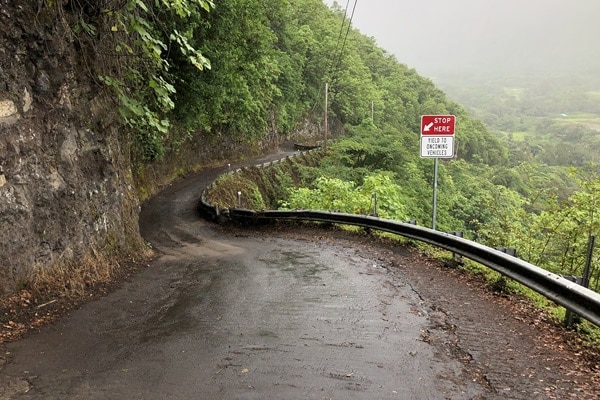
Waipiʻo Valley Road is as breathtaking as it is dangerous, with steep grades that make it one of the most challenging drives in the United States. With inclines reaching up to 45%, this narrow road tests the skills of even the most experienced drivers. It is officially restricted to 4×4 vehicles due to the risk of brake failure on its sharp descents. Adding to the challenge, the road’s condition can deteriorate quickly during heavy rains, increasing the risk of skidding or sliding.

Descending into Waipiʻo Valley offers a sense of adventure but demands extreme caution and preparation. Drivers must ensure their brakes are in excellent condition and be prepared for tight corners with limited visibility. The lack of guardrails in some areas adds another layer of danger, particularly when passing other vehicles on the narrow path. Visitors should also note that the area is remote, with limited access to help if something goes wrong, making proper planning essential.

Chain of Craters Road
Dangerous Roads on the Big Island

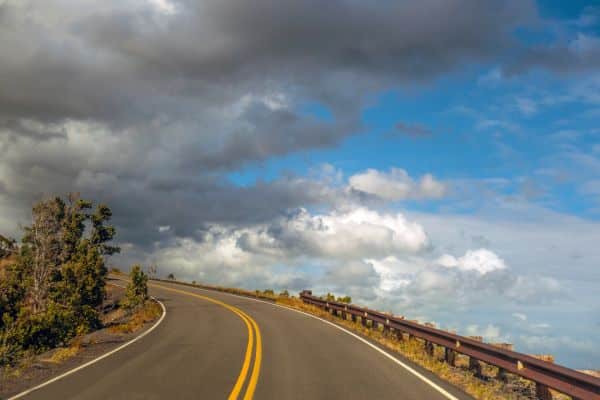
Situated within Hawaiʻi Volcanoes National Park, Chain of Craters Road offers travelers a unique glimpse into the island’s volcanic landscape. Stretching 19 miles, this winding route takes you past hardened lava flows and breathtaking vistas. However, sections of the road are frequently damaged or blocked by ongoing volcanic activity. Sudden closures and unpredictable conditions mean drivers must remain flexible with their plans.

The road’s remote location adds to its challenges, as services and assistance are limited in this area. Drivers must be prepared for potential hazards such as rough pavement, narrow turns, and volcanic fumes. Checking for updates on volcanic activity and road conditions is critical before attempting this route. Carrying emergency supplies, such as water and a first aid kit, is also advisable to ensure safety on this isolated yet mesmerizing drive.

Māmalahoa Highway (Hawaiʻi Belt Road)

Dangerous Roads on the Big Island

Encircling the Big Island, Māmalahoa Highway is a critical thoroughfare but not without its hazards. Known for its sharp curves and narrow lanes, certain sections of the highway demand extra caution. Frequent rainstorms and faded lane markings can make visibility difficult, especially for drivers unfamiliar with the area. Additionally, the highway’s proximity to cliffs and rockfall-prone areas increases the potential for accidents.

This busy route is shared by locals, tourists, and heavy trucks, creating a mix of traffic that requires defensive driving. Nighttime travel is particularly risky due to the lack of streetlights in rural stretches. Drivers should maintain safe speeds, avoid overtaking on blind curves, and stay alert for sudden changes in road conditions. With proper vigilance, navigating this highway can be safer and more enjoyable.

Mana Road

Dangerous Roads on the Big Island

Mana Road is one of the Big Island’s oldest and most remote routes, circling Mauna Kea and reaching elevations as high as 7,293 feet. This unpaved road transitions from smooth pavement to loose rocks and mud, making it a challenge for even seasoned drivers. Its remote nature means you’re unlikely to encounter other travelers, which adds to the sense of isolation. Sudden weather changes, including thick fog and unexpected rain, can further complicate the journey, turning sections into slippery hazards.

Driving Mana Road requires proper preparation and experience with off-road conditions. A high-clearance 4×4 vehicle is essential to navigate the uneven terrain safely. Given the lack of cellular service along most of the route, travelers should inform someone of their plans and estimated return time. Additionally, carrying emergency supplies such as food, water, and a basic repair kit can make a significant difference in case of a breakdown. While the road offers stunning views, the risks involved mean it’s only suitable for the most prepared and cautious drivers.

South Point Road

Dangerous Roads on the Big Island

South Point Road, leading to Ka Lae, the southernmost point of the United States, is both picturesque and perilous. The road’s narrow lanes and sharp turns hug the rugged coastline, with little to no guardrails in certain sections. High winds are a constant challenge, often pushing vehicles unexpectedly, particularly near the sea cliffs. Adding to the danger, sudden rainstorms can make the road slick, especially for those traveling in standard vehicles.

The remoteness of South Point Road means help is not readily available, making vehicle reliability essential. Drivers are advised to check their tires, brakes, and fuel levels before embarking on this route. It’s best to avoid the road during adverse weather conditions when visibility and traction are significantly reduced. For those who proceed with caution, the rewards include stunning ocean views and the unique experience of visiting the southernmost tip of the country, but safety must always come first.

Stay Safe on Hawaii’s Scenic Roads

Driving on the Big Island offers incredible opportunities to explore Hawaii’s natural beauty, but it also requires preparation and caution. The island’s unique geography, weather, and road conditions mean that some routes demand extra attention from drivers. By understanding the challenges these roads present and taking the proper precautions, you can enjoy your journey safely. Whether you’re a visitor or a resident, respecting the terrain and planning ahead ensures a more enjoyable experience. Safety should always come first on these unforgettable drives.

Sponsored

Site Categories