 By
By Kilauea Volcano Eruptions 2025
Tracking the ongoing volcanic activity at one of Earth’s most active volcanoes on Hawaii’s Big Island.
Kilauea volcano continues to capture the attention of scientists, residents, and visitors alike as it maintains its position as one of the most actively monitored volcanoes on the planet. As we progress through 2025, the volcanic activity at this iconic Hawaiian shield volcano has presented researchers with remarkable opportunities to study eruptive processes while simultaneously reminding local communities of the dynamic geological forces that shape their island home. The ongoing eruptions have produced stunning displays of molten lava, created new land formations, and provided invaluable data that advances our understanding of volcanic behavior and hazard assessment methodologies that protect communities worldwide.
The 2025 Eruption Cycle and Recent Developments
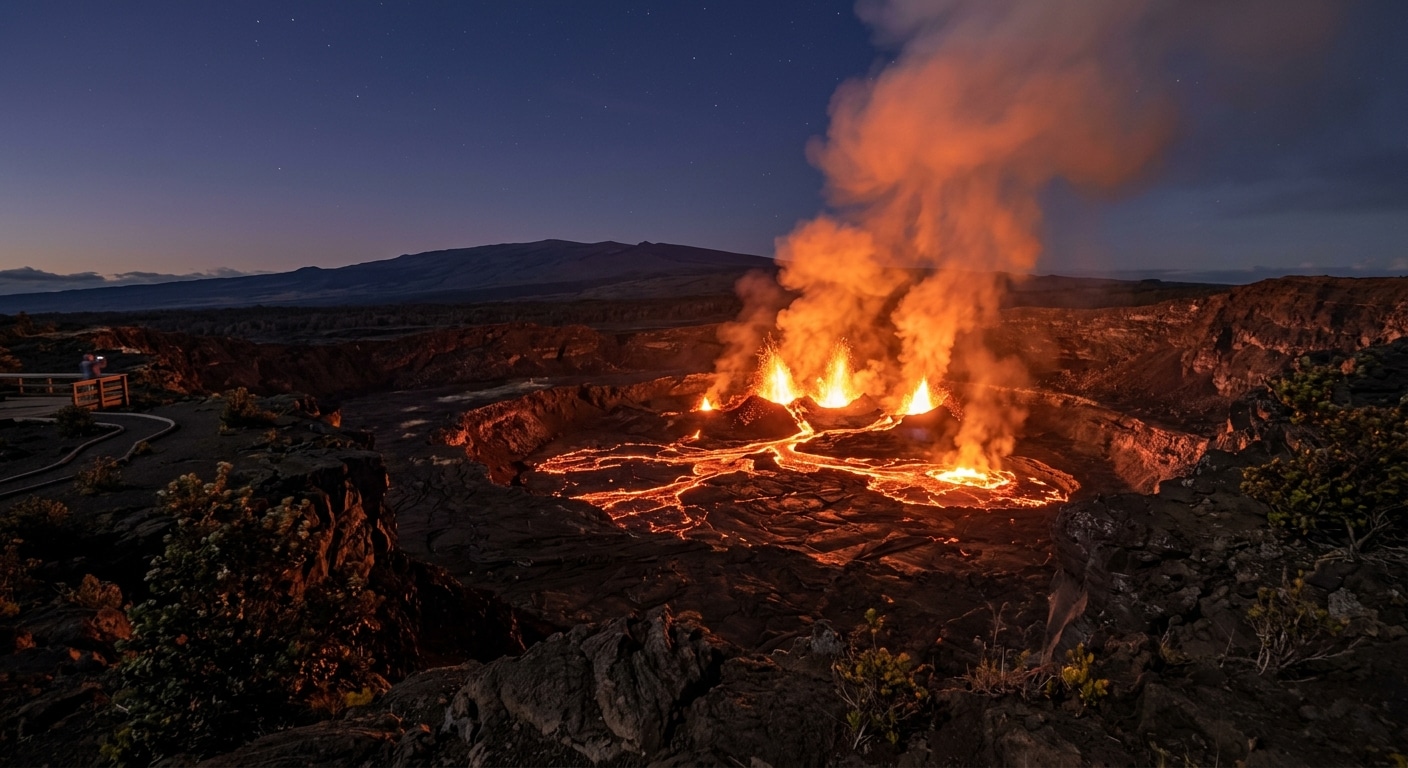
The volcanic activity at Kilauea during 2025 represents a continuation of the dynamic eruptive patterns that have characterized this volcano in recent years. Following the significant eruption sequences observed throughout late 2024, the volcano entered 2025 with renewed vigor, producing multiple eruption episodes within the summit caldera region. The Hawaiian Volcano Observatory has maintained continuous monitoring operations, deploying advanced instrumentation networks that track ground deformation, seismic activity, and gas emissions with unprecedented precision. These monitoring systems have detected subtle changes in magma supply rates that help scientists anticipate potential eruption phases and provide timely warnings to authorities and residents.
The current eruption cycle has been characterized by intermittent lava lake activity within Halema’uma’u crater, where molten rock surfaces and circulates in mesmerizing patterns that attract researchers and visitors to designated viewing areas within Hawaii Volcanoes National Park. The lava lake levels have fluctuated throughout the early months of 2025, with periods of vigorous spattering and fountaining alternating with quieter phases of steady circulation. Scientists have observed that these fluctuations correlate with variations in the magma supply from deeper reservoir systems, providing insights into the plumbing network that feeds Kilauea’s eruptive activity.
Advancing Volcanic Science Through Continuous Study
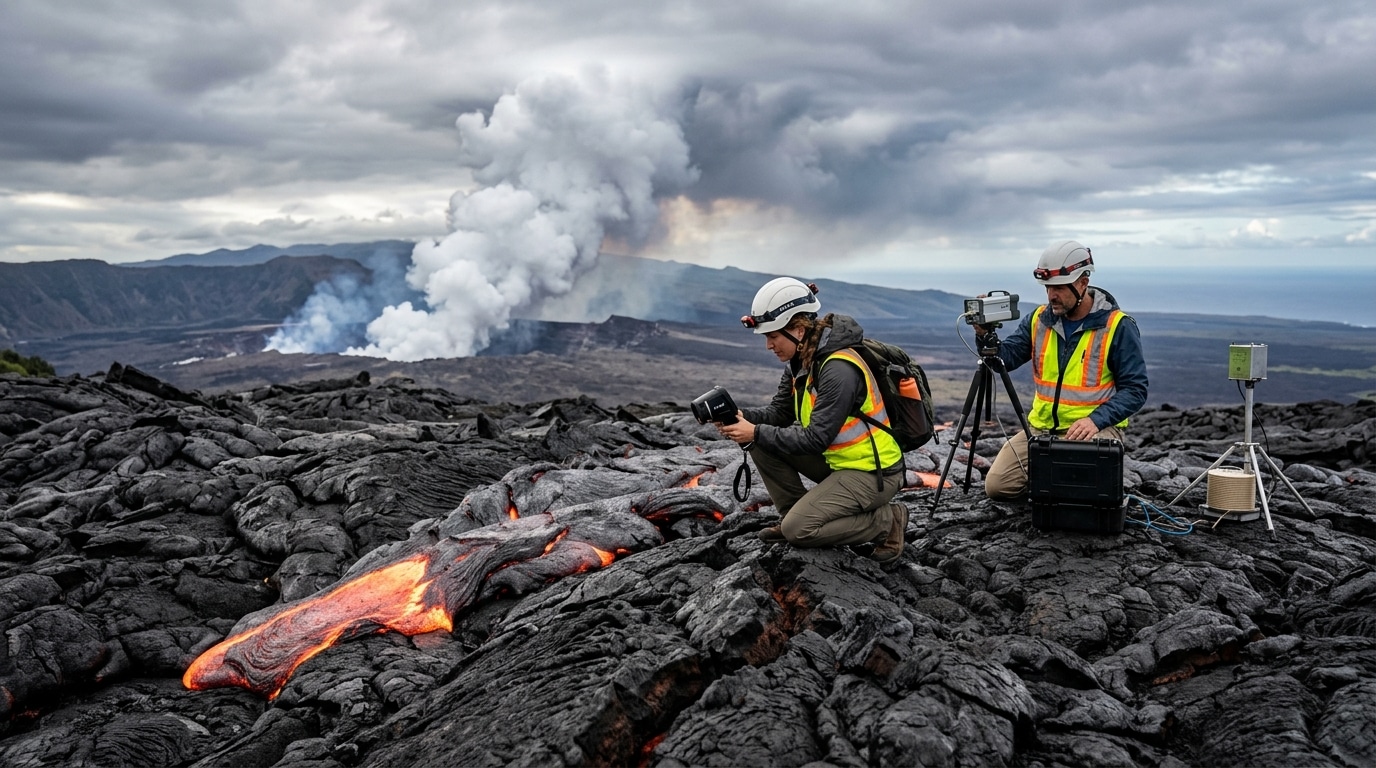
The research conducted at Kilauea volcano during 2025 builds upon decades of scientific investigation that has made this location one of the most comprehensively studied volcanic systems in the world. The United States Geological Survey, in collaboration with university researchers and international partners, has implemented cutting-edge technologies that enhance our ability to understand volcanic processes at unprecedented levels of detail. Satellite-based interferometric synthetic aperture radar measurements have tracked millimeter-scale ground movements that reveal the inflation and deflation of magma reservoirs beneath the volcano’s surface, while drone-mounted thermal cameras have captured detailed imagery of active lava flows and vents.
The geochemical analysis of volcanic gases emitted during the 2025 eruptions has provided valuable information about the composition and origin of magma feeding the current activity. Sulfur dioxide emissions, measured using both ground-based spectrometers and satellite sensors, have shown variations that correlate with changes in eruptive intensity. These measurements not only inform scientific understanding but also support air quality monitoring efforts that protect downwind communities from volcanic pollution. The integration of multiple data streams through advanced computational models has improved eruption forecasting capabilities, representing a significant advancement in volcanic hazard assessment methodologies.
Seismological studies conducted during the current eruption phase have revealed intricate patterns of earthquake activity that illuminate the pathways through which magma travels from deep source regions to the surface. The deployment of dense seismic networks around Kilauea has enabled researchers to locate earthquakes with remarkable accuracy, mapping the three-dimensional structure of the volcanic edifice and identifying zones where magma accumulates before erupting. These findings contribute to a growing body of knowledge that informs volcanic monitoring strategies at volcanoes worldwide, demonstrating the global significance of research conducted at this Hawaiian volcano.
Living With an Active Volcano in 2025
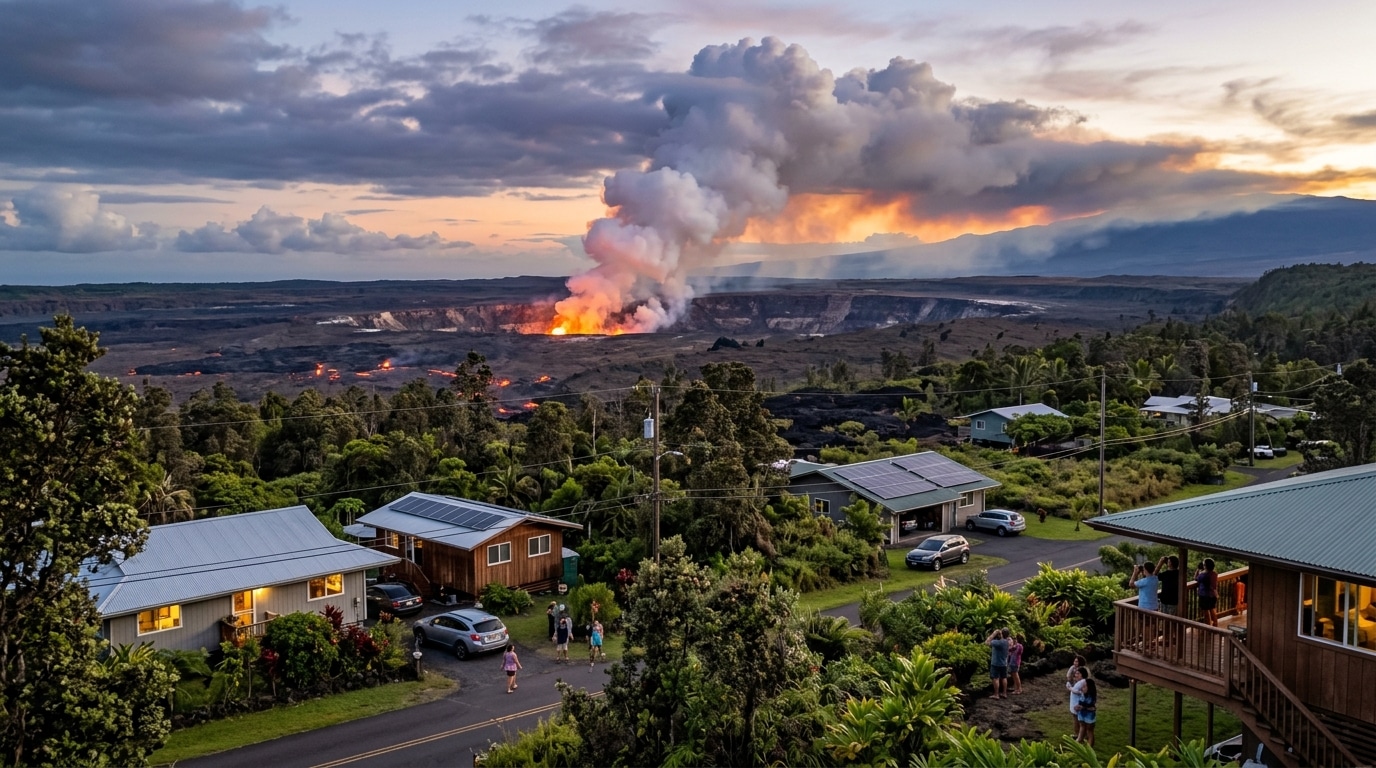
The communities surrounding Kilauea volcano have developed resilient approaches to coexisting with ongoing volcanic activity that reflect both traditional Hawaiian cultural perspectives and modern emergency management practices. The devastating 2018 lower East Rift Zone eruption, which destroyed over seven hundred homes and dramatically altered the Puna district landscape, remains fresh in collective memory and continues to influence community preparedness efforts. Residents have incorporated lessons learned from that event into updated evacuation plans, communication protocols, and mutual aid networks that enhance community resilience against future volcanic hazards.
Hawaii County Civil Defense maintains close coordination with the Hawaiian Volcano Observatory to ensure that accurate and timely information reaches affected communities during periods of elevated volcanic activity. The warning systems implemented following the 2018 eruption have been refined and expanded, incorporating multiple communication channels including sirens, text alerts, social media updates, and community notification networks. These systems were tested during several volcanic unrest episodes in late 2024 and early 2025, demonstrating improved response capabilities that reflect the ongoing commitment to public safety in volcanic hazard zones.
The economic implications of Kilauea’s activity extend beyond immediate hazard concerns to encompass tourism, agriculture, and real estate markets throughout the Big Island. Hawaii Volcanoes National Park has experienced fluctuating visitation patterns that correspond with eruption phases, with periods of spectacular lava activity drawing increased visitor numbers while concerns about air quality and access restrictions occasionally dampen tourism during certain phases. Local businesses have adapted to these variations, developing flexible operating models that accommodate the inherent unpredictability of volcanic activity while capitalizing on the unique attractions that an active volcano provides.
Ecological Transformation and Recovery Processes
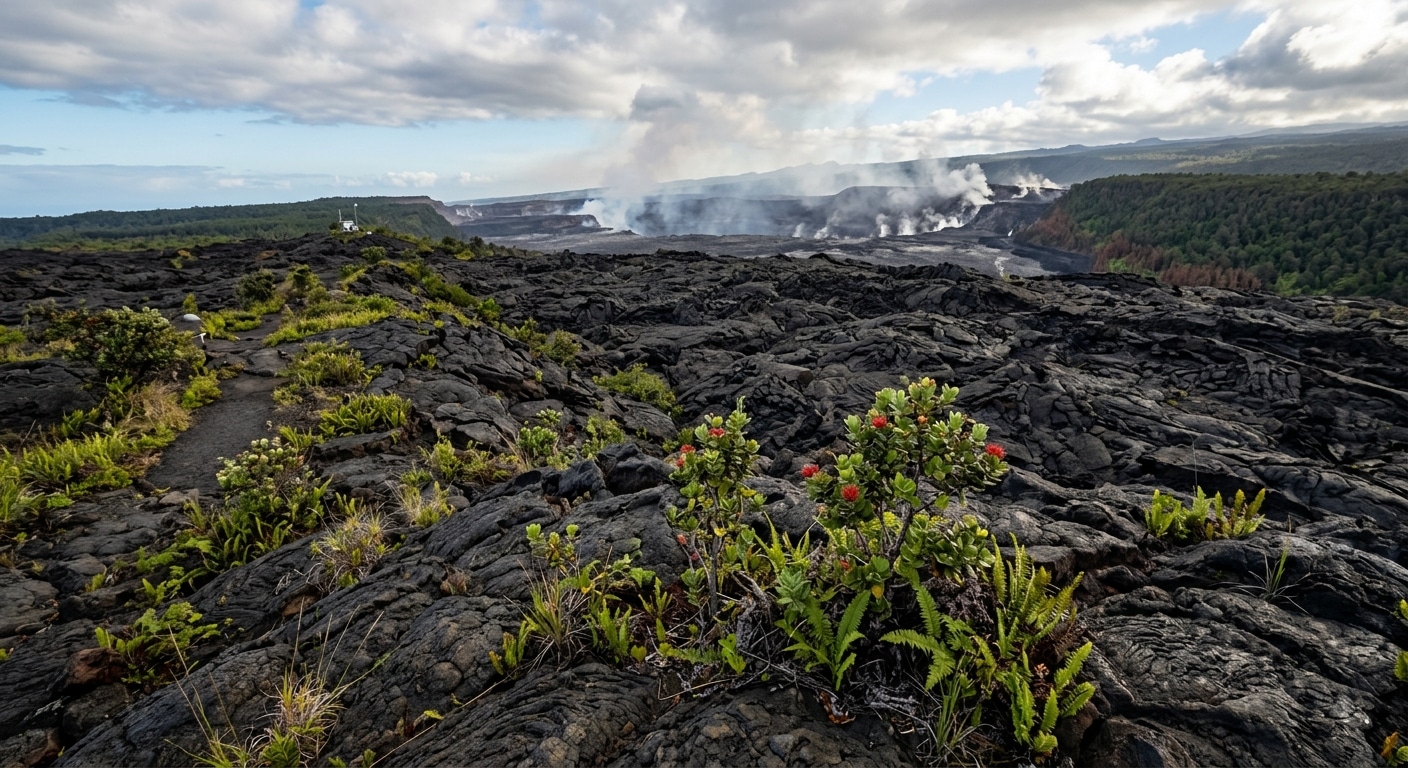
The environmental impacts of Kilauea’s ongoing eruptions encompass both destructive and creative processes that continuously reshape the Hawaiian landscape. Fresh lava flows that have been emplaced during recent eruptive episodes have buried existing vegetation and altered drainage patterns, yet these same flows represent the beginning of ecological succession processes that will eventually create new habitats for native species. Scientists studying primary succession on recent lava flows have documented the arrival of pioneer species including certain ferns and ohia lehua trees that establish themselves on barren volcanic terrain within years of emplacement.
The volcanic gases released during the 2025 eruptions have created air quality challenges in downwind areas, with sulfur dioxide concentrations occasionally reaching levels that pose health risks for sensitive individuals. The phenomenon known locally as vog, a volcanic smog created when sulfur dioxide reacts with atmospheric moisture and sunlight, affects communities across the island during certain wind conditions. Public health officials have worked to enhance monitoring networks and public awareness campaigns that help residents understand when conditions warrant protective actions such as remaining indoors or using air filtration systems.
Marine environments near coastal areas where lava enters the ocean experience dramatic transformations as molten rock encounters seawater. The explosive interactions between hot lava and cold ocean water create hazardous conditions including steam plumes laden with hydrochloric acid and fine volcanic glass particles. However, these lava entry points also create nutrient-rich conditions that support enhanced marine productivity in adjacent waters once activity subsides. Researchers studying these dynamic coastal environments have documented rapid colonization by marine organisms following the cessation of active lava flows, demonstrating the remarkable resilience of Hawaiian marine ecosystems.
Predicting What Lies Ahead for Kilauea
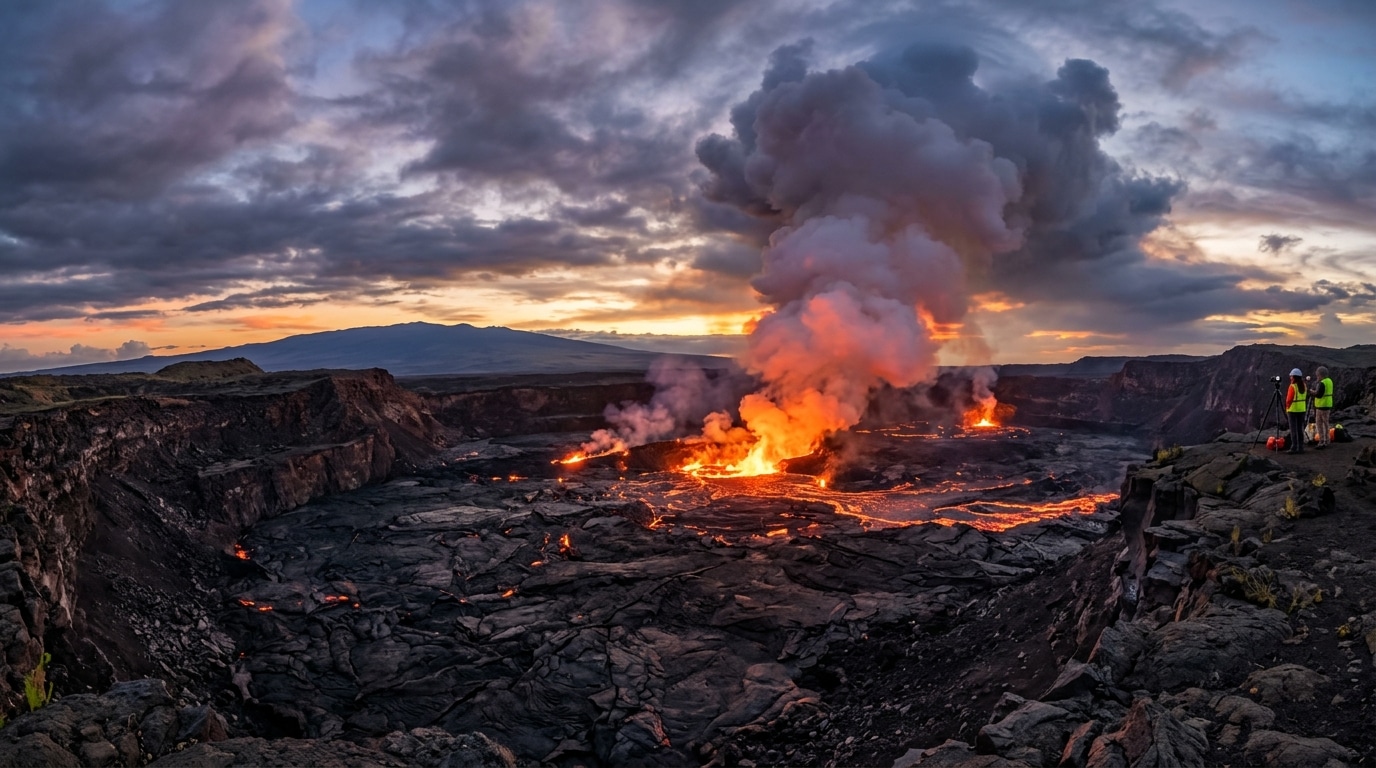
Volcanic eruption forecasting remains an inexact science despite remarkable advances in monitoring technology and theoretical understanding. The scientists at the Hawaiian Volcano Observatory approach prognostication with appropriate caution, recognizing that while certain patterns of precursory activity reliably indicate impending eruptions, the specific timing, location, and magnitude of future eruptive events cannot be predicted with certainty. Current assessments suggest that Kilauea will likely continue experiencing intermittent eruptive episodes throughout 2025, with activity concentrated primarily within the summit region while the possibility of renewed East Rift Zone activity cannot be entirely excluded.
The long-term outlook for Kilauea encompasses time scales that extend far beyond immediate forecasting horizons. Geological evidence indicates that this volcano has maintained high eruption rates for centuries and will likely continue producing eruptions for the foreseeable future. Climate projections suggest that changing precipitation patterns could influence volcanic hazards by affecting the stability of volcanic slopes and the behavior of lava flows encountering surface water. These considerations have prompted researchers to incorporate climate change scenarios into volcanic hazard assessments, ensuring that long-term planning accounts for evolving environmental conditions.
Investment in volcanic monitoring infrastructure continues to strengthen capabilities for detecting and characterizing volcanic unrest at Kilauea and other Hawaiian volcanoes. Recent funding allocations have supported the deployment of next-generation sensors, the development of artificial intelligence algorithms for analyzing monitoring data, and the expansion of community engagement programs that enhance public understanding of volcanic hazards. These investments reflect recognition that effective volcanic hazard management requires sustained commitment to scientific research, technological innovation, and community partnership.
Experiencing Kilauea Responsibly in 2025
Hawaii Volcanoes National Park offers visitors remarkable opportunities to witness active volcanic processes while maintaining appropriate safety protocols that protect both people and sensitive environments. The park has adapted its operations to accommodate varying levels of volcanic activity, establishing viewing areas that provide spectacular vantage points when conditions permit while implementing closures when hazardous conditions develop. Visitors planning trips during 2025 should consult current park advisories and be prepared for potential changes to access and viewing opportunities that may occur with limited notice as volcanic conditions evolve.
The cultural significance of Kilauea to Native Hawaiian communities adds important dimensions to visitor experiences that extend beyond geological spectacle. Traditional Hawaiian understanding recognizes Kilauea as the home of Pele, the goddess of fire and volcanoes, whose presence imbues the landscape with spiritual significance. Respectful visitors take time to learn about these cultural perspectives, understanding that the volcano holds meanings that transcend scientific analysis. Park interpretive programs and cultural practitioners offer opportunities for visitors to gain deeper appreciation of the relationships between Hawaiian communities and their volcanic homeland.
The Eternal Fire Burns On

As Kilauea continues its ceaseless activity throughout 2025, the volcano reminds us of the powerful geological forces that created the Hawaiian Islands and continue shaping them today. The eruptions we witness represent brief moments in a volcanic history spanning hundreds of thousands of years, connecting us to planetary processes that operate on timescales far exceeding human experience. For the scientists who study Kilauea, the residents who live in its shadow, and the visitors who marvel at its displays, this volcano embodies both the creative and destructive potential of our dynamic Earth. The lessons learned here advance volcanic science globally while the communities that call this region home demonstrate remarkable adaptability in the face of ongoing geological change. Whether Kilauea produces spectacular fountains or quiet lava lakes in the months ahead, its activity will continue generating knowledge, inspiring wonder, and demanding respect from all who encounter this extraordinary natural phenomenon.