Hawaii’s whale season is one of nature’s most breathtaking events, drawing visitors from around the globe. From December through April, the islands become a sanctuary for humpback whales, known as koholā in Hawaiian, as they migrate to the warm, shallow waters for mating and calving. This phenomenon not only showcases the majesty of these marine giants but also highlights their importance to Hawaii’s ecosystem and cultural identity. Whether you’re spotting a breaching whale from shore or experiencing their songs during a boat tour, whale season offers an unforgettable connection to nature. Let’s explore what makes this time so special.
When Is Whale Season in Hawaii?
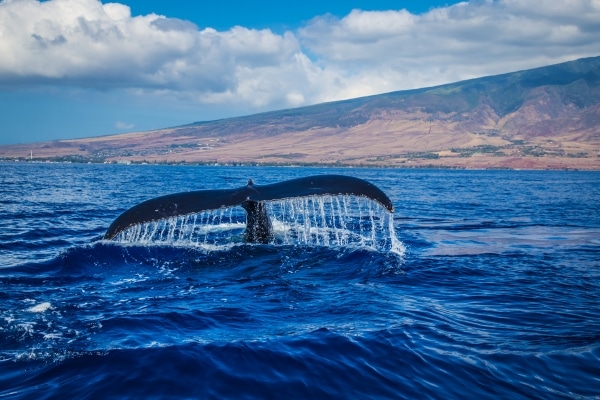
Hawaii’s whale season officially spans from December to April, marking a time when humpback whales migrate from Alaska to the islands’ warm waters. These months are critical for the whales as they use this period for breeding, giving birth, and nursing their young. While sightings are possible throughout the season, January and February are considered peak months when whale activity is at its highest. Visitors planning trips during these months are more likely to witness dramatic behaviors like breaching and tail slapping.
Weather conditions also play a vital role in whale watching during this season. Calm seas and clear skies improve visibility, making it easier to spot these marine giants. Early mornings and late afternoons often provide the best opportunities due to less wind and optimal light. Knowing the seasonal patterns and timing can help you maximize your chances of an incredible whale-watching experience.
Where Are the Best Whale-Watching Spots?
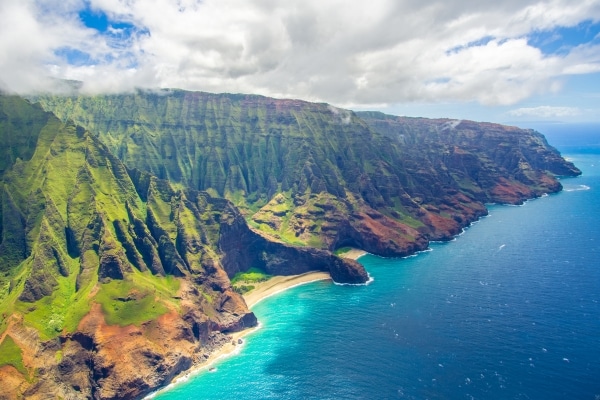
Maui is widely regarded as the best island for whale watching, particularly in areas like Lahaina and Maʻalaea. These spots boast calm, shallow waters where humpback whales congregate, making sightings frequent and accessible. Land-based viewing is also popular, with scenic lookouts such as McGregor Point offering prime opportunities to see whales without setting foot on a boat. Whether from a beach or a cliffside vantage point, these locations provide a front-row seat to one of nature’s greatest shows.
Other islands, including the Big Island, Oahu, and Kauai, also offer excellent whale-watching experiences. On the Big Island, the Kohala Coast is a hotspot, while Oahu’s Makapu’u Lighthouse Trail is a favorite among locals and visitors alike. Kauai’s Na Pali Coast provides a dramatic backdrop for spotting whales in their natural habitat. Exploring these diverse locations ensures a unique perspective on Hawaii’s incredible marine life.
What Can You Expect to See?
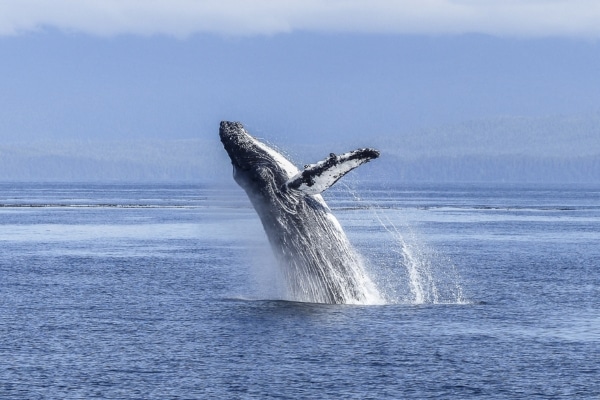
Humpback whales are known for their captivating behaviors, which range from acrobatic breaches to playful tail slapping. These actions are thought to serve various purposes, such as communication, courtship, and defense. Observing a whale breaching or spyhopping—a behavior where the whale lifts its head above water—is an awe-inspiring experience. Each sighting offers a glimpse into the intelligence and social nature of these marine mammals.
In addition to these majestic movements, whale songs are another highlight of the season. Male humpbacks produce intricate, haunting melodies that can be heard for miles underwater. These songs are believed to play a role in attracting mates or establishing dominance. Witnessing these behaviors up close, whether from a boat or the shoreline, is a powerful reminder of the complexity and beauty of marine life.
How to Choose a Whale-Watching Tour

Selecting the right whale-watching tour can greatly enhance your experience, and it starts with choosing a reputable company. Look for operators who prioritize eco-friendly practices and respect legal guidelines for maintaining safe distances from the whales. Smaller group charters often provide a more intimate experience, while larger boats may offer better stability for those prone to seasickness. Researching reviews and asking about tour details can help you find the best fit for your needs.
Certified naturalists and guides are invaluable for making the trip both educational and engaging. They can provide fascinating insights into whale behavior and ensure your safety throughout the tour. Additionally, consider factors like departure times, tour duration, and cancellation policies when making your choice. By selecting a well-reviewed and responsible operator, you’ll be ensuring an unforgettable adventure while supporting the conservation of Hawaii’s marine life.
Staying Safe and Respecting the Whales

Whale watching can be an exhilarating experience, but it’s essential to prioritize safety and respect for the animals. Federal guidelines require boats and swimmers to maintain a distance of at least 100 yards from humpback whales. These regulations are designed to minimize stress on the animals and reduce the risk of injury. Observing these guidelines ensures that both you and the whales can enjoy a safe and meaningful interaction.
Respecting whales also means keeping noise levels down and avoiding any actions that might disturb their natural behaviors. Responsible tour operators play a critical role by adhering to these practices and educating participants on proper conduct. By supporting eco-friendly companies, visitors help preserve the delicate balance of Hawaii’s marine ecosystem. Safety and respect go hand in hand, creating a rewarding experience for everyone involved.
Cultural Significance of Whales in Hawaii

Humpback whales hold deep cultural importance in Hawaii, where they are revered as koholā, symbolic of spiritual connections and guidance. Hawaiian legends often depict whales as protectors of travelers and as messengers of the gods. This reverence extends to modern times, where many locals see the return of the whales as a blessing. Whale season is not just a spectacle—it’s a time to honor their role in Hawaiian heritage.
Preserving and respecting whales also supports Hawaii’s efforts to protect its natural and cultural resources. Many residents view eco-tourism as a way to share the islands’ beauty and traditions while promoting sustainability. Visitors are encouraged to approach whale season not merely as an activity but as an opportunity to connect with the islands’ rich history. By understanding the cultural significance, travelers can appreciate the deeper meaning behind this extraordinary season.
Practical Tips for Whale Season Visitors

To make the most of whale season, planning is key, starting with the best times of day to spot these marine giants. Early mornings and late afternoons typically offer calmer waters and optimal visibility, increasing the chances of sightings. Packing essentials like binoculars, sunscreen, and a camera with a zoom lens ensures you’re well-prepared for the experience. With a bit of preparation, you can enjoy a seamless whale-watching adventure.
Booking tours in advance is another critical tip, especially during peak months when demand is high. Choosing accommodations near popular whale-watching locations can save time and enhance your experience. Additionally, familiarizing yourself with local guidelines and eco-tourism initiatives ensures that your visit has a positive impact. With these practical strategies, visitors can fully immerse themselves in the magic of Hawaii’s whale season.
Experience the Magic of Hawaii’s Whale Season
Whale season in Hawaii offers a unique opportunity to connect with nature, culture, and the wonders of the marine world. By respecting the whales and their habitat, visitors can help preserve this incredible phenomenon for generations to come. Whether you’re admiring their graceful movements from shore or listening to their haunting songs on a boat tour, these moments are unforgettable. Let Hawaii’s whale season inspire awe, deepen your appreciation for marine life, and remind you of the importance of protecting our planet’s natural treasures.
