 By
By The Big Island of Hawaii, rich in spiritual and cultural heritage, offers visitors an opportunity to explore some of the most sacred places in Hawaiian history. These places, deeply intertwined with the ancient Hawaiian way of life, provide a window into the spiritual, social, and political aspects of the island’s past. From heiaus (temples) dedicated to gods of war and surfing to legendary stones of prophecy, the Big Island invites you to experience its sacred places, each telling a story of power, faith, and unity. This journey across the island not only enlightens but also connects you with the profound traditions that have shaped Hawaii.
Hikiau Heiau

Hikiau Heiau, located at Kealakekua Bay, is a significant luakini heiau where human sacrifices were made to honor and seek favor from the gods. This site also marks where Captain James Cook first encountered the Hawaiian islands, a pivotal event in the island’s history. The heiau served as a crucial ceremonial center in ancient times, facilitating rituals that were vital to the spiritual and political life of the community. Today, Hikiau Heiau stands as a reminder of Hawaii’s complex past, offering insights into the spiritual and social dynamics of ancient Hawaiian society.
Visitors to the site today can sense the profound spiritual significance that Hikiau Heiau holds. Interpretative signs and preserved structures provide a narrative that helps connect visitors with the ancient practices that took place here. It serves as a poignant historical site, bridging the ancient with the modern for all who visit and continues to be a place of reflection and understanding of Hawaii’s rich cultural heritage.
Ku’emanu Heiau
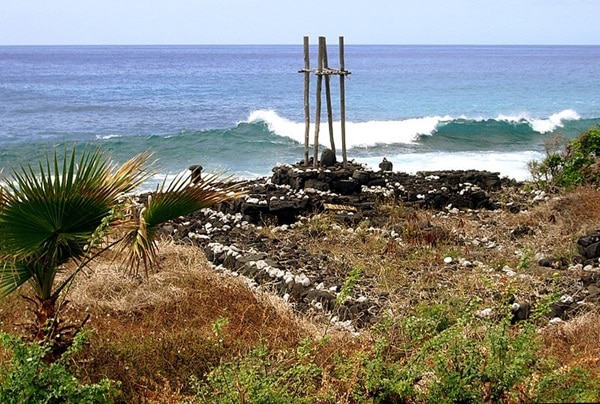
Ku’emanu Heiau is unique among the sacred sites of Hawaii, dedicated to the sport of surfing—a crucial part of Hawaiian culture. Situated near Kahalu’u Beach Park, ancient Hawaiians gathered here to pray for favorable surfing conditions. The heiau underscores the spiritual dimension of surfing in Hawaiian culture, reflecting the deep connection the people have with the ocean. Modern surfers continue to visit, maintaining a centuries-old ritual that celebrates their connection to the ocean.
This site offers a fascinating glimpse into how traditional Hawaiian practices are woven into contemporary life. The heiau serves as a historical landmark and a living part of the Hawaiian cultural landscape, where past and present merge. Visitors are often struck by the continuity of tradition here, where ancient rituals and modern practices coexist, enhancing the cultural significance of Ku’emanu Heiau.
Mo’okini Heiau

Mo’okini Heiau is one of Hawaii’s oldest and most significant heiaus, established around AD 480 for major religious rites, including human sacrifices. These practices highlight the heiau’s integral role in ancient Hawaiian spiritual and societal governance. The site served as a powerful spiritual center where the community’s leaders sought divine support for their decisions and their people. Now preserved as a national historic landmark, Mo’okini Heiau invites visitors to delve into Hawaii’s pre-Christian past, providing a deep understanding of its religious traditions.
Preservation efforts at Mo’okini Heiau allow for a continued appreciation of the site’s historical and cultural significance. The site is a cornerstone of cultural heritage, allowing people to explore and appreciate the ancient foundations of Hawaiian society. As they walk through the grounds, visitors can feel the weight of history and the sacredness of the land, enhanced by the stunning natural beauty that surrounds the site.
Naha Stone
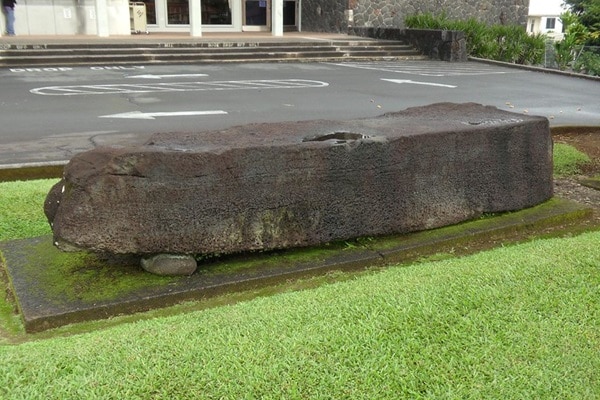
The Naha Stone, positioned in front of the Hilo Public Library, carries a legendary status linked to the prophecy of uniting the Hawaiian islands. It was said that the one who could move the stone would become the ruler of Hawaii, a feat accomplished by Kamehameha I. This act not only proved his strength but also his divine right to lead, marking him as a significant figure in Hawaiian history. The stone is not just a symbol of leadership and prophecy but also a cultural artifact that connects the Hawaiian people with their past.
Visitors to the Naha Stone experience a direct connection to Hawaii’s historical narrative, fostering a deeper appreciation for the culture that continues to honor such traditions. The stone serves as a tangible link to the legendary past, inspiring both awe and respect among those who visit. It reminds locals and tourists alike of the rich history and enduring spirit of the Hawaiian people, who continue to celebrate and preserve their cultural heritage.