The Lowland Forests of Oahu

Oahu’s lowland forests offer a more accessible option for birdwatching, where the Hawaiian Honeycreepers display their vivid colors and diverse beak shapes. These birds, found in areas such as the Waimea Valley, add splashes of color to the green landscape, drawing birdwatchers and nature lovers alike. The variety of Honeycreepers, each adapted to specific types of flowers or trees, showcases the evolutionary marvels of Hawaii’s avian species. For those exploring these forests, the chance to see these unique birds up close is an unforgettable experience that highlights the islands’ biodiversity.
In addition to the visual spectacle, Oahu’s lowland forests play a crucial role in the conservation of Hawaiian Honeycreepers. Efforts to preserve and protect their habitat from threats have become a priority for conservationists and local communities. Guided tours in areas like Waimea Valley not only offer insight into the lives of these fascinating birds but also educate visitors on the importance of conservation efforts. This blend of natural beauty and environmental awareness makes birdwatching in Oahu’s lowland forests a meaningful and enriching activity.
Big Island’s Hakalau Forest
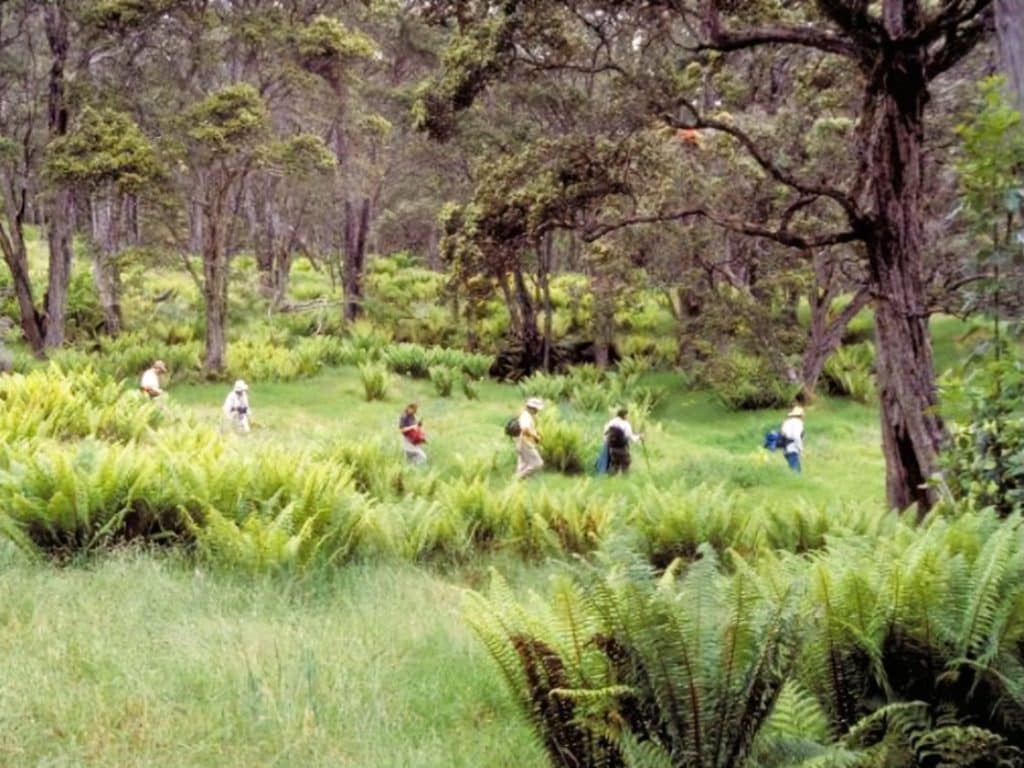
Hakalau Forest National Wildlife Refuge on the Big Island stands as a beacon of biodiversity, offering birdwatchers a chance to encounter a wide array of Hawaii’s endemic bird species in one of the most pristine environments. This lush forest refuge, established to protect and restore native Hawaiian forest ecosystems, is home to species such as the vibrant Hawaii Akepa and the elusive Hawaii Creeper. The dedication to conservation here has allowed these birds, along with others, to thrive, providing an unparalleled bird watching experience. Visitors are treated to the sights of rare birds and the sounds and scents of a forest that has been carefully preserved and restored.
The varied elevations and habitats within Hakalau Forest provide unique opportunities to see these birds throughout the year. Whether wandering through the dense undergrowth or exploring the higher canopy, birdwatchers can observe the nuanced behaviors and habitats of these species. The refuge’s commitment to preserving the natural ecosystem means that every visit contributes to the ongoing efforts to protect Hawaii’s native birds. For those looking to immerse themselves in the natural beauty of the Big Island while contributing to conservation efforts, Hakalau Forest National Wildlife Refuge offers an unmatched destination.
Lanai’s Remote Wilderness

Lanai’s rugged landscapes and remote wilderness areas present a unique opportunity for birdwatchers to explore habitats largely untouched by human development. This lesser-visited island is home to the endangered “Ua’u (Hawaiian Petrel), which thrives in Lanai’s secluded areas, away from the lights and noises of urban life. The island’s isolation has preserved its natural habitats, making it an important sanctuary for Hawaii’s bird species. For those willing to venture off the beaten path, Lanai offers a chance to observe these rare birds in their natural setting, where the quiet and solitude enhance the experience of connecting with nature.
Accessing Lanai’s remote wilderness requires preparation and respect for the natural environment, as these areas are critical for the survival of many bird species. Guided tours and responsible travel practices ensure that visitors can enjoy Lanai’s avian wonders without disturbing the delicate balance of these ecosystems. The experience of birdwatching in such an untouched setting is not only a privilege but also a reminder of the importance of conservation efforts to protect these habitats. Lanai’s commitment to preserving its wilderness areas offers hope for the future of Hawaii’s birds and provides a unique adventure for those seeking to witness the natural beauty of the islands.
Enjoy Birdwatching Bliss in Hawaii’s Natural Splendor
Hawaii’s birds offer a kaleidoscope of colors, songs, and stories that enrich the islands’ natural tapestry. Exploring diverse habitats, from rainforests and volcanic landscapes to urban parks and remote wilderness, provides a unique window into the world of these magnificent creatures. By embracing the opportunity to observe these birds in their natural settings, you not only deepen your appreciation for Hawaii’s natural beauty but also underscore the importance of conservation efforts that safeguard these avian wonders for generations to come.