Kaloko-Honokohau National Historical Park
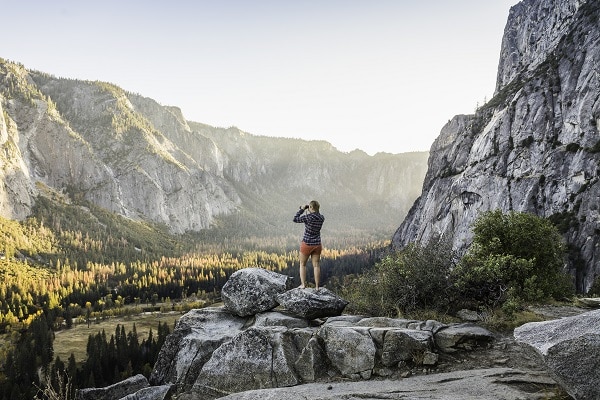
Kaloko-Honokohau National Historical Park is a place of cultural and historical significance in Hawaii. The park covers 1,160 acres and comprises three distinct environments: ancient fishponds, coastal sand dunes, and upland forests. Visitors can explore native Hawaiian history by taking guided tours or visiting the museum at Kaloko, which houses artifacts showcasing traditional cultural activities such as fishing and farming.
Wildlife enthusiasts will also find plenty to appreciate here, with various species, including spinner dolphins, endangered Hawaiian monk seals, green sea turtles, humpback whales, and Hawaiian hawks. The park’s mission is to preserve the sacred artifacts and archaeological sites that are part of its history for future generations to learn from.
Pololu Valley
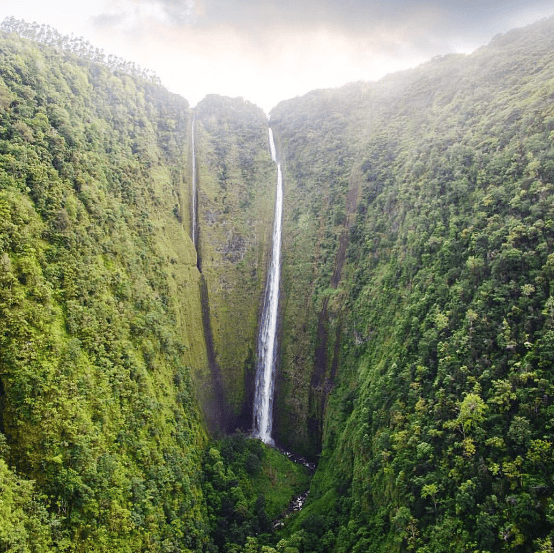
The majestic beauty of Pololu Valley on the Big Island of Hawaii is an experience like no other. Located on the north shore of the island, flanked by lush green cliffs that reach as far as the eye can see, it’s no wonder why it’s one of the most beloved and iconic natural wonders of Hawaii. A popular destination for residents and tourists alike, the valley is a stunning embodiment of the power and grandeur of nature.
An unforgettable sight to behold, this breathtaking landscape features vibrant blue waters below, with trails allowing explorers to take in its panoramic views. Pololu Valley is a beacon for appreciating the island’s local ecology and breathtaking infrastructure.
Mauna Loa
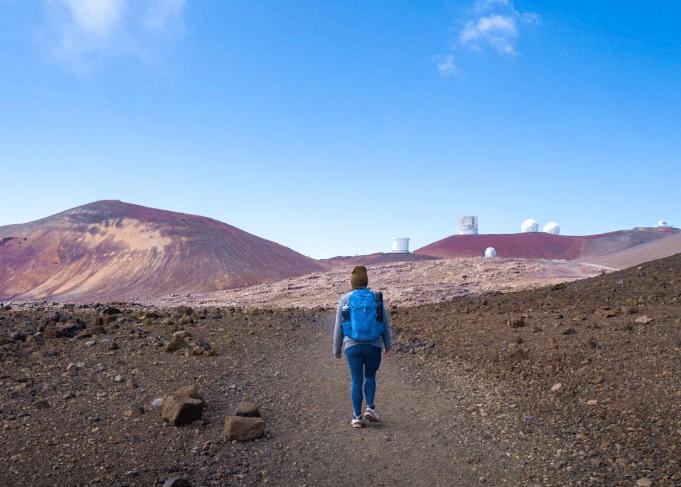
While inland from the west coast, visiting Mauna Loa is an unforgettable experience. With its incredible beauty and size, it is often called the “Long Mountain” as it spans about 75 miles across the island of Hawai’i. The world’s largest active volcano and one of the most active volcanoes on Earth, Mauna Loa, stands 13,680 feet from sea level. As you explore its many features, you can’t help but marvel at its vastness. A trip down to Kilauea Caldera is a must-do to see the forces of nature at work with boiling lava mounds and steam vents in what looks like a surreal dreamscape.
Touring the summit will give you a glimpse at why over 300 recorded eruptions have occurred since 1843. From coastlines to lava fields and craters spiced up with colorful plants that line some of these trails, you get a flavor for Hawaiian culture, extreme geological activity, and nature’s wonders, all wrapped up nicely within one massive mountain.
Kona Coffee Living History Farm
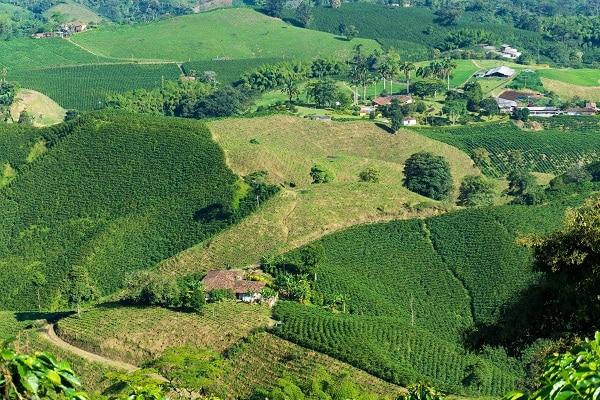
Located just south of Kealakekua, the Kona Coffee Living History Farm serves more than its eponymous beverage. It is a unique destination where today’s visitors can step into history and learn about the past lives of their forebears. Through interactive displays, cultural programs, and educational workshops, visitors are transported back to when Kona coffee was harvested by hand.
The farm offers an authentic peek into traditional Hawaiian culture and its rich immigrant heritage by recounting the stories of early 20th-century immigrants who settled in South Kona in pursuit of gold, better opportunities, and cooler climates. It also immerses guests in the agricultural industry that continues to define the region with sustainability at its core. From coffee pickers to entrepreneurs to paniolo ponies, there is no shortage of fascinating stories to discover at this remarkable living museum.
Plan Your Trip To Visit The West Side Of The Big Island!
Whether you’re a nature lover, an adventurer, or simply looking for a one-of-a-kind cultural experience, there is something to be found in Hawaii’s natural and historical wonders. From the iconic beauty of Pololu Valley to the power and scale of Mauna Loa and the rich history of the Kona Coffee Living History Farm, each destination offers a unique glimpse into the rugged beauty, rich culture, and awe-inspiring natural features of this incredible island state. So why wait? Discover the many wonders that the west side of the big island of Hawaii has to offer today!
