Visiting The Sugar Plantation Museums

To fully immerse oneself in the history of these plantation towns, a visit to the local sugar plantation museums is a must. For instance, the Pacific Tsunami Museum in Hilo provides insights into immigrant workers’ lives. At the same time, the Hawai’i Plantation Museum in Pāpa’ikou showcases a collection of memorabilia from the sugar era.
These museums are more than repositories of artifacts. They capture the essence of the plantation era, sharing stories of perseverance, innovation, and cultural fusion. They depict the trials and triumphs of the plantation workers, painting a vivid picture of plantation life that goes beyond the sugarcane fields.
Tasting History: Traditional Hawaiian Sugar Treats
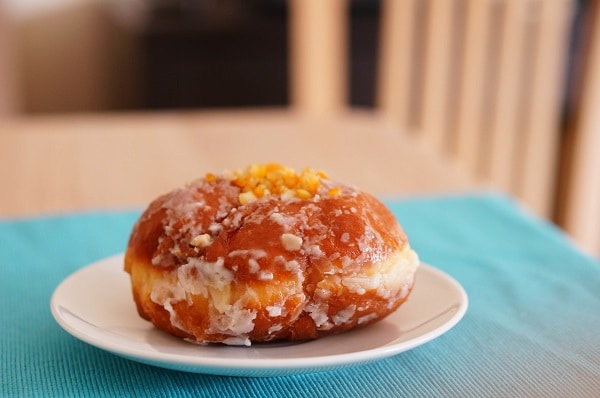
The influence of the sugar industry permeates not only the townscape but also the local cuisine. Traditional Hawaiian sweets, many of which have their origins in the sugar plantations, provide a delicious opportunity to taste history. Delicacies like malasadas, a Portuguese donut introduced by plantation workers, or shave ice, a dessert influenced by Japanese immigrants, are reminders of the sugar industry’s cultural impact.
Sampling these treats is more than a culinary adventure; it’s a journey through the cultural melting pot that was the sugar plantation era. Each bite tells a story of the diverse communities that converged on the plantations, bringing with them their culinary traditions and flavors.
The Sugar Plantation Legacy Today

The legacy of the sugar industry in Hawaii extends beyond the physical reminders scattered across the Big Island. Its most enduring imprint lies in the cultural and social landscape of Hawaii. The melting pot of cultures originating on the plantations has shaped the island’s unique multicultural identity.
Similarly, the plantation towns’ resilience and adaptability have become ingrained in the Hawaiian ethos. Despite the collapse of the sugar industry, these towns have transformed and thrived, their survival a testament to the resilience and spirit of their communities.
Preserving The Sugar Plantation Heritage

Preserving the legacy of the sugar plantations is a task undertaken with dedication by local communities. From restoration projects to cultural festivals, efforts are in place to keep this unique heritage alive. The community’s role in heritage preservation is a shining example of the spirit of aloha, the mutual respect, and care for one another that defines Hawaii.
Tourists, too, play a part in this preservation effort. By visiting these old sugar plantation towns, they contribute to the recognition and appreciation of this important chapter in Hawaii’s history. Their interest fuels conservation initiatives, ensuring the stories of the plantation era continue to be told.
Planning Your Visit: Tips And Recommendations

A trip to the old sugar plantation towns of the Big Island is a unique experience, offering a blend of history, culture, and natural beauty. The best time to visit is during the cooler months, from November to March. Accommodations range from quaint bed and breakfasts in the plantation towns to larger resorts in nearby Hilo or Kona.
Each town has its unique charm and attractions, so take the time to explore them. Take a walk through the historic main streets, visit the museums, sample the local cuisine, and engage with the locals. The old sugar plantation towns are a world away from the bustling tourist hubs, offering an authentic and enriching Hawaiian experience.
Take A Step Back In Time At These Old Sugar Plantation Towns!
Uncovering the old sugar plantation towns of the Big Island is an expedition into Hawaii’s history, offering insights into an era that shaped the islands’ culture, economy, and society. From the vestiges of the plantation era to the living heritage in the towns, the sugar industry’s imprint is a testament to the resilience, adaptability, and multicultural spirit of Hawaii. So, on your next visit to the Big Island, take a detour from the beaten path and experience a piece of Hawaii’s past firsthand.