 By
By Mauna Kea Summit
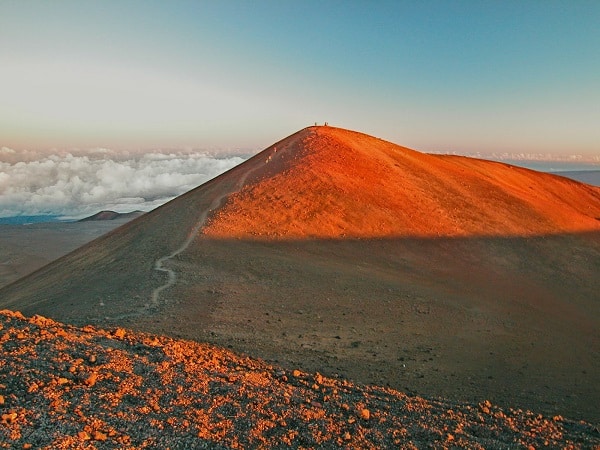
Mauna Kea Summit, a stark yet stunning landscape, presents an entirely different palette for wildlife photographers. The rare silversword plant, the only plant species that grow at this high altitude, attracts unique insects like the endemic Wekiu bug. The desolate beauty of the summit and these unique creatures together make for extraordinary photography.
The environment at Mauna Kea is challenging due to the high altitude and cold temperatures. Thus, photographers need to ensure they are adequately prepared, both in terms of personal gear and camera equipment. Additionally, the altitude can affect camera performance and battery life, so carrying spare batteries and ensuring your gear is capable of withstanding these conditions is crucial. Also, it’s important to acclimate oneself to the altitude before venturing out for photography.
Punalu’u Black Sand Beach

Punalu’u Black Sand Beach, with its striking landscape, is an excellent location for photographing marine wildlife. The beach is frequented by the endangered Hawksbill turtle and the Green Sea turtle, which bask on the black sand during the day, offering great photographic opportunities. Occasionally, the rare and endangered Hawaiian monk seal can also be seen lounging on the shore.
When photographing on the beach, be mindful of the high contrast between the dark sand and the often bright midday light. This might require adjustments to your camera settings. It’s also essential to respect the resting and nesting sites of the turtles and seals – keep a safe distance and avoid using flash, as it can startle these creatures. Remember, you should always prioritize the wildlife’s comfort over getting the perfect shot.
Kealakekua Bay State Historical Park

Kealakekua Bay State Historical Park is a hotspot for underwater wildlife photography. Home to a coral reef teeming with marine life, it provides opportunities to capture vibrant images of tropical fishes, sea turtles, and, occasionally, playful dolphins. The clear waters of the bay are ideal for underwater photography, allowing you to document this aquatic wonderland.
Before you plunge into underwater photography at the bay, ensure you’re familiar with the basics of snorkeling or diving. As for the photography gear, waterproof or underwater cameras are a must, and accessories like dive lights can enhance the color and clarity of your shots. Be aware of the marine life’s behavior and avoid touching or disturbing the coral reefs, as they are delicate ecosystems. Lastly, try to visit the park in the early morning for the best light and fewer crowds.
Honokohau National Historical Park

Situated on the west coast of the Big Island, Honokohau National Historical Park is a place of both cultural significance and rich biodiversity. The park is a habitat for Hawaiian green sea turtles, migratory birds, and even the occasional Hawaiian monk seal. These, along with the historical structures and cultural artifacts, make it a diverse and exciting location for wildlife photography.
When photographing in the park, respect for the cultural and natural resources is paramount. Avoid venturing too close to the wildlife or interfering with their behaviors for the sake of a photo. Stay on designated trails to preserve the area’s natural and cultural integrity. If you are lucky, you may catch a glimpse of a turtle nesting or a rare bird in flight, offering an opportunity for a truly captivating image.
Tips To Improve Wildlife Photography

Enhancing your wildlife photography involves more than just technical knowledge; understanding animal behavior, utilizing the right light, and composing your shot effectively can take your images to the next level. Observing animals from a distance can provide valuable insights into their behaviors and patterns, helping you anticipate the perfect moment to capture. Early morning and late afternoon, known as the ‘golden hours’, often provide the best light and animal activity for wildlife photography.
Composition plays a vital role in making your photos visually appealing. Employing techniques like the rule of thirds, leading lines, or framing can make your images more engaging. Consider the environment and habitat as part of your composition as well, as this context can often enhance the story of your wildlife subject. Lastly, practice is key. The more time you spend in the field photographing, the more your skills will improve.
Find The Perfect Spot For Wildlife Photography On The Island!
Exploring the Big Island for wildlife photography is an adventure teeming with diverse wildlife and stunning landscapes. From understanding the intricacies of wildlife photography and arming yourself with the necessary equipment to exploring unique habitats, the journey promises an enriching experience. As you step into this world, remember that the core of wildlife photography on the Island lies in patience, respect for nature, and a commitment to conservation. May your journey through the Big Island be filled with magnificent sights and unforgettable experiences.