Pu’uhonua o Hōnaunau National Historical Park, located on the west coast of Hawaii’s Big Island, is a captivating testament to the rich cultural heritage of the Hawaiian people. This sanctuary, known as the ‘Place of Refuge’, holds a fascinating blend of history, beauty, and mythology that continues to attract locals and tourists alike. This post will take you on a journey through the various aspects of this remarkable site, from its historical background to its architectural marvels, shedding light on its significance and charm. Keep reading to dive into the wonders of Pu’uhonua o Hōnaunau.
Historical Background

The story of Pu’uhonua o Hōnaunau begins in the distant past, with the site serving as an important center for political and religious life in ancient Hawaii. It was a sanctuary for kapu (sacred law) breakers, defeated warriors, and noncombatants during times of war. The park holds numerous archaeological sites that echo the ancient times when powerful chiefs and priests held sway.
The Pu’uhonua’s sacred laws played a crucial role in shaping the societal structure of old Hawaii. The region was home to several generations of Hawaiian royalty, who bestowed a high level of sanctity upon the area. Their influence is still palpable today in the spiritual aura that envelopes the park and in the stories passed down through the centuries, keeping the memory of those ancient times alive.
Geographical Features
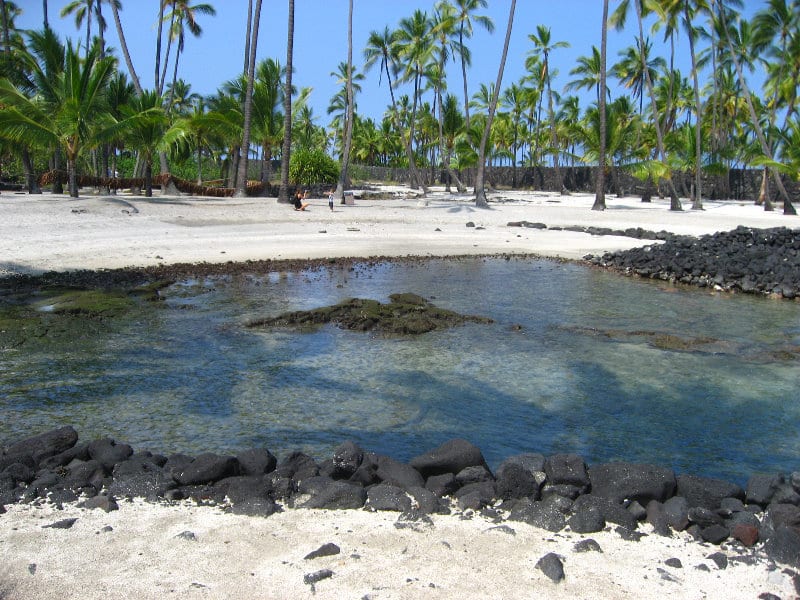
Pu’uhonua o Hōnaunau National Historical Park is a place of mesmerizing natural beauty. It spans across 420 acres of land, showcasing a stunning panorama of coastal landscapes punctuated by lava rock platforms and lush, tropical vegetation. The coastal area is interspersed with small sandy beaches and rocky cliff edges, offering dramatic views of the azure Pacific Ocean.
The park is not just visually captivating but also teems with diverse Hawaiian flora and fauna. You will find indigenous species, such as the Hawaiian monk seal, the green sea turtle, and various native plants. This biodiversity greatly contributes to the overall natural appeal of the park and underscores the importance of its preservation efforts.
Architectural Marvels
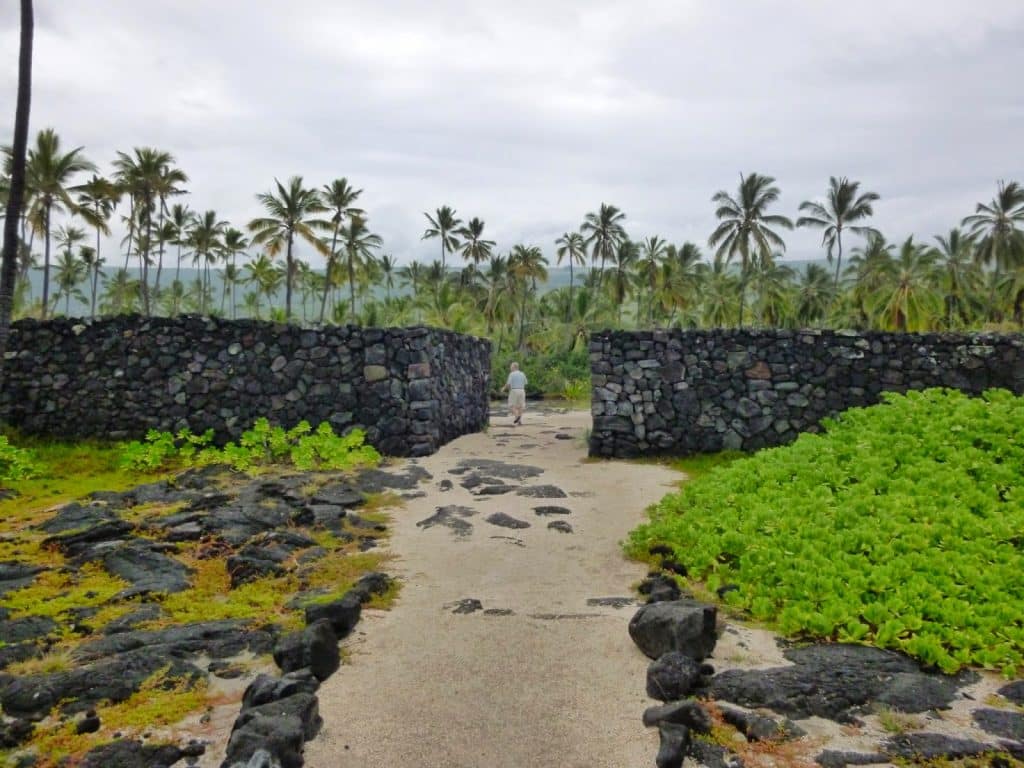
The park is also home to several awe-inspiring architectural remnants from the past. The Great Wall of Pu’uhonua, built in the 1500s, stands as a formidable boundary around the sacred grounds. Made from lava rock, this wall spans almost 1000 feet in length and 10 feet in height, reflecting the superior craftsmanship of ancient Hawaiians.
Additionally, there are several ancient temples (heiaus) and wooden images of Hawaiian deities (ki’i) within the park that lend a mystical aura to the landscape. These artifacts offer visitors a peek into the spiritual practices of the past. The Hale o Keawe temple, for instance, housed the bones of 23 chiefs, further amplifying the sanctity of Pu’uhonua. With ongoing restoration efforts, these marvels continue to stand, bearing witness to a rich and vibrant history.
Cultural Significance

Pu’uhonua o Hōnaunau National Historical Park plays a vital role in preserving and celebrating Hawaiian culture. Within its grounds, sacred rituals and ceremonies were once performed, and the spiritual connection to the land remains strong. Cultural festivals such as the annual Hawaiian Cultural Festival bring to life traditional practices like hula dancing, crafting, and canoeing, allowing visitors to immerse themselves in the rich cultural tapestry.
The park also serves as an educational resource, offering insight into ancient Hawaiian customs, laws, and social structures. Schools, cultural organizations, and individual visitors all benefit from guided tours, workshops, and interpretive programs that help foster a deeper understanding of Hawaiian heritage. Through these efforts, the park helps ensure that the indigenous culture continues to thrive and resonate with new generations.