 By
By Impact of Winter on Sea Turtles

Sea turtles, integral to the Big Island’s marine biodiversity, exhibit notable changes in behavior during the winter months. The cooler water temperatures influence their feeding habits and migration patterns. Some species, like the Hawaiian Green Sea Turtle, tend to move to warmer, coastal waters, where they find more abundant food sources. This seasonal shift offers researchers and wildlife enthusiasts a unique opportunity to observe these majestic creatures up close.
The winter months are also critical for sea turtle conservation efforts. As turtles change their habitat and behavior, they become more susceptible to threats like entanglement in fishing gear and habitat destruction. Conservation groups intensify their monitoring and protection measures during this period, ensuring the safety and well-being of these vulnerable marine reptiles. Public education campaigns also ramp up, informing locals and tourists how to responsibly interact with sea turtles and protect their habitats.
Unique Winter Marine Phenomena
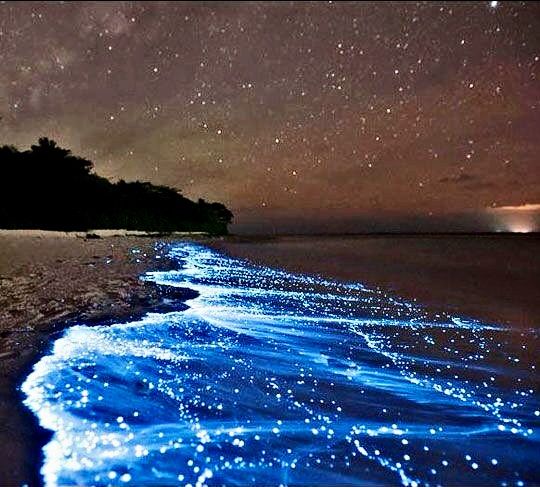
Winter on the Big Island brings a series of unique marine phenomena not witnessed during other times of the year. One such spectacle is the increased bioluminescence in the waters surrounding the island. Tiny organisms, like plankton, emit light as a response to stress, creating a mesmerizing natural light show in the night waters. This phenomenon attracts visitors and provides a unique subject for scientific study, helping researchers understand more about these microscopic marine inhabitants.
Another winter-specific event is the increased visibility of certain deep-sea creatures, which come closer to the surface for food and warmer temperatures. This migration offers a rare glimpse into the mysterious world of deep-sea marine life, typically hidden from view. These winter occurrences not only enhance the natural beauty of the island’s marine environment but also underscore the richness and diversity of its ecosystem.
Human Interaction with Marine Life in Winter

Human interaction with marine life on the Big Island undergoes a shift during the winter months. The cooler weather and the influx of migratory species like whales and dolphins led to an increase in marine-based tourism activities. Whale-watching and snorkeling tours become particularly popular, providing an economic boost to the local community. However, this increased human presence in marine habitats necessitates stricter guidelines and regulations to ensure wildlife protection.
Responsible tourism practices are emphasized, with guidelines on safely and respectfully observing marine life without causing disturbance or harm. These practices are crucial not only for the well-being of marine species but also for the sustainability of the tourism industry itself. Educating visitors about the fragile marine ecosystem and their role in its preservation becomes a key focus for tour operators and conservationists alike.
Challenges and Conservation Efforts

The winter season presents unique challenges to the marine ecosystem of the Big Island. Fluctuating water temperatures and weather conditions can stress marine habitats, particularly coral reefs. Additionally, the increased human activity in and around the waters increases the risk of pollution and habitat disturbance. These challenges necessitate concerted conservation efforts to protect and preserve the marine environment.
Conservationists and local authorities collaborate to monitor the health of marine ecosystems and implement measures to mitigate negative impacts. This includes habitat restoration projects, pollution control, and enforcement of fishing regulations. Public awareness campaigns play a crucial role in these efforts, educating the community and visitors about the importance of marine conservation and how they can contribute to preserving this precious natural resource.
The Bottom Line
The winter season on the Big Island unveils a remarkable and dynamic aspect of marine life, offering a unique perspective on biodiversity and natural wonders. This period is characterized by challenges and opportunities for the marine inhabitants and those dedicated to their study and protection. The cooler months underscore the significance of sustainable practices, responsible tourism, and robust conservation efforts. In understanding and appreciating the marine wonders of the Big Island, a collective responsibility to safeguard this ecosystem emerges. The well-being of the island’s marine life is a perennial concern, necessitating ongoing commitment and collaborative efforts for its preservation and flourishing.