A Canvas Of Cosmic Wonders
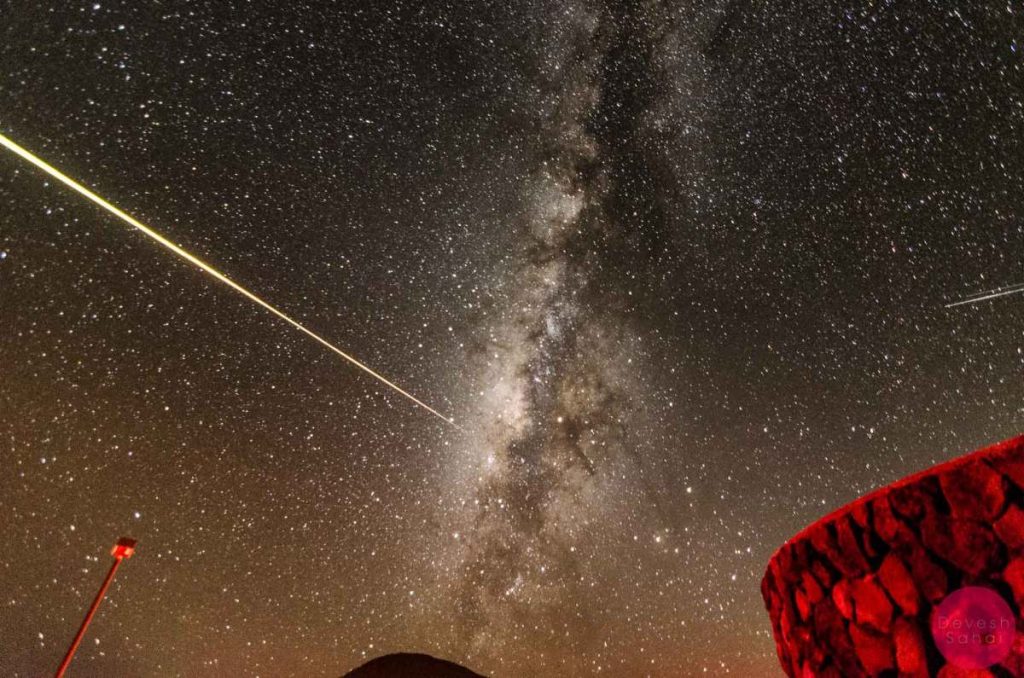
Once settled under the starlit sky of Mauna Loa, the celestial show begins. The darkness of the night sky here is not just absence of light; it’s a backdrop that makes every star, planet, and meteor stand out with incredible clarity. The constellations, familiar yet more vivid than ever, form patterns that have guided explorers and intrigued humanity for millennia. Planets like Jupiter and Saturn, often visible to the naked eye, appear more distinct through a telescope, their moons and rings coming into sharp focus. Shooting stars, a rare sight in urban areas, are relatively common here, each one a thrilling sight as it arcs across the sky.
The experience of stargazing on Mauna Loa is often described as humbling and awe-inspiring. Observers report a profound sense of connection with the universe, a realization of the vastness of space and the relative smallness of their own world. It’s not uncommon for people to spend hours just looking up, captivated by the cosmic dance of stars and planets. The night sky here presents an ever-changing display, with different astronomical events visible throughout the year. From meteor showers to the ethereal glow of the Milky Way, each night offers a unique spectacle, making every visit to Mauna Loa a distinct and memorable experience.
Photographing The Night Sky
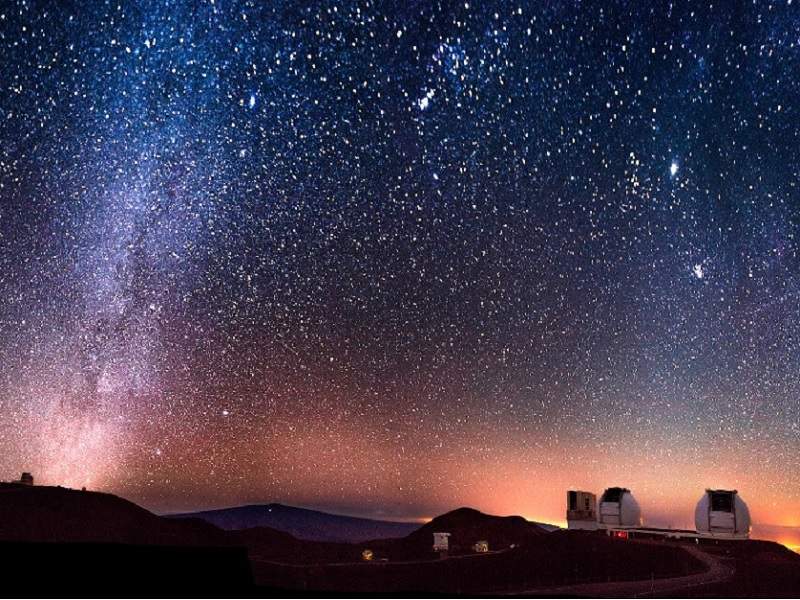
Capturing the celestial wonders above Mauna Loa with a camera is both a challenging and rewarding endeavor. Astrophotography, the art of photographing the night sky, requires patience, skill, and the right equipment. A camera with manual settings is essential, as it allows for long exposures necessary to capture faint starlight. A tripod is also crucial to keep the camera steady during these long exposures. The use of a wide-angle lens is recommended to capture the vastness of the night sky, and a remote shutter release can help avoid any camera shake. Experimenting with different settings, such as ISO, aperture, and shutter speed, can yield stunning results, capturing the Milky Way or the trails of shooting stars.
The challenges of night photography on Mauna Loa are part of its allure. The high altitude and remote location mean photographers must be prepared for changing weather conditions and carry extra batteries, as the cold can drain them quickly. Focusing in the dark can be tricky, and often, manual focus is the best option. Patience is key, as capturing the perfect shot may require waiting for the right astronomical conditions. However, the rewards are immense. The photographs taken here are not just images; they are tangible memories of the night sky’s splendor, a moment of cosmic beauty frozen in time.
Cultural And Historical Significance
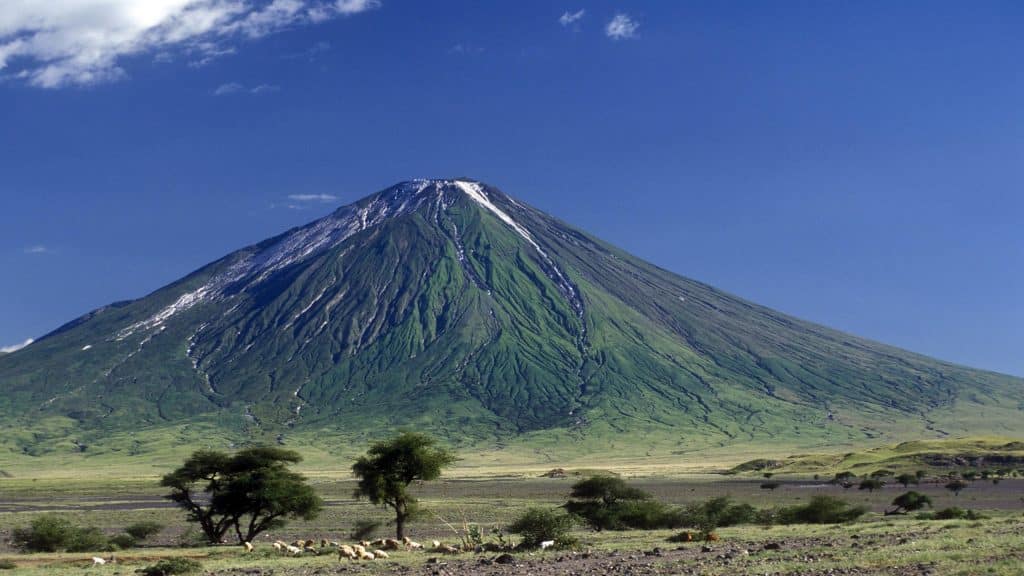
Mauna Loa is not just a place for scientific observation but also a site of deep cultural and historical significance. For centuries, the night sky has played a crucial role in Hawaiian culture, used for navigation, storytelling, and as a calendar. The stars and constellations have names in Hawaiian, and many are associated with myths and legends that have been passed down through generations. This cultural connection adds a rich layer of meaning to the stargazing experience on Mauna Loa. Visitors often find that understanding these cultural aspects enhances their appreciation of the night sky, making it more than just a scientific spectacle but a tapestry interwoven with stories and traditions.
The historical significance of Mauna Loa extends to the field of astronomy as well. The mountain has been an important site for astronomical research, with observatories and research stations taking advantage of the clear skies and minimal light pollution. These facilities have contributed significantly to our understanding of the universe. For visitors interested in the intersection of science and culture, guided tours and educational programs are often available. These tours provide insights into the mountain’s astronomical importance and its role in Hawaiian culture, offering a comprehensive understanding of Mauna Loa’s place in both the history of astronomy and the heritage of Hawaii.
Conservation And Respect For The Environment
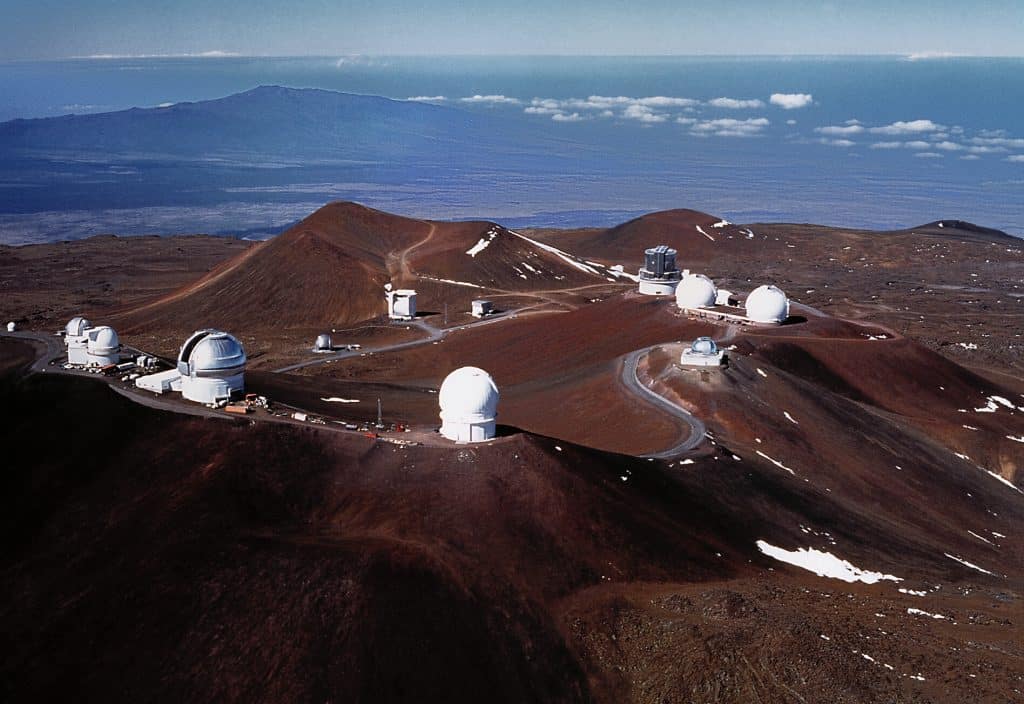
The pristine environment of Mauna Loa is a treasure that requires ongoing efforts to conserve. The clear skies and unspoiled landscapes are not just crucial for stargazing but are also vital to the local ecosystem. Visitors play a crucial role in conservation efforts by respecting the natural environment and adhering to guidelines designed to minimize their impact. This includes staying on designated paths, avoiding littering, and being mindful of wildlife. The importance of preserving the dark skies is also emphasized, as light pollution can significantly diminish the quality of stargazing, not just on Mauna Loa but globally.
The respect for the environment goes beyond conservation; it’s about fostering a connection with nature. Stargazing on Mauna Loa offers a rare opportunity to experience the natural world in its most majestic form. The tranquility and beauty of the mountain at night inspire a deeper appreciation for our planet. This connection often leads to a greater sense of responsibility towards the environment, encouraging sustainable practices and an awareness of our role in preserving natural wonders.
Enjoy Your Mauna Loa Stargazing Journey!
As the night sky above Mauna Loa unveils its cosmic wonders, it beckons you to partake in this celestial spectacle. This journey is more than just observing stars; it’s an immersive experience that connects you with the universe and Hawaiian culture. Embrace the adventure, capture the night’s beauty, and carry with you not just memories but a renewed appreciation for our planet. The stars are calling – it’s time to answer and witness the magic of Mauna Loa’s night sky.