 By
By Arid And Semi-Arid Zones: Desert in Paradise
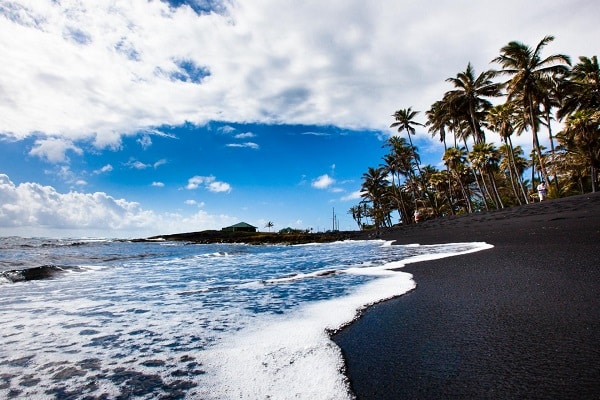
The Arid and Semi-Arid Zones of the Big Island may seem out of place in a tropical paradise, but they contribute significantly to the island’s ecological diversity. These zones, predominantly located on the island’s leeward side, are characterized by low rainfall and high temperatures, fostering unique landscapes that starkly contrast the rainforests on the windward side. These regions host a variety of desert-adapted flora and fauna, offering an entirely different experience for visitors.
In these zones, travelers can explore black sand beaches, such as those at Punalu’u Beach Park or the volcanic landscapes of Mauna Loa and Kilauea in Hawaii Volcanoes National Park. The Pu’uhonua O Hōnaunau National Historical Park, also known as the City of Refuge, provides a glimpse into ancient Hawaiian culture amid a dry, arid backdrop. A trip to these zones will challenge your perception of Hawaii being solely a tropical paradise.
Alpine And Subalpine Zones: Hawaii’s High Altitude Surprise

The Alpine and Subalpine Zones represent another climatic surprise on the Big Island. Located at high elevations on the Mauna Kea and Mauna Loa volcanoes, these zones experience low temperatures and even snowfall during winter months. The cooler temperatures and harsh conditions host unique flora and fauna that have adapted to survive these challenging environments, like the endangered silversword plant and the Hawaiian goose or ‘nene’.
For those seeking adventure, these zones offer a chance to stargaze at the Mauna Kea Observatories or hike the slopes of the Mauna Loa volcano. Keep in mind that these areas require special preparation due to the cold temperatures and high altitudes, including warm clothing and necessary precautions for altitude sickness. Despite the challenges, visiting these zones offers an unexpected and rewarding experience.
Monsoon Climate: Hawaii’s Rainy Secret

The Monsoon Climate Zone is another fascinating aspect of Hawaii’s Big Island. Primarily occurring in the lower windward areas during the summer months, this climate zone is characterized by heavy afternoon rainfall following morning sunshine. This unique weather pattern significantly influences the local ecosystem, supporting a diverse range of plant and animal species.
Navigating the Monsoon Climate Zone can be a unique experience for travelers. The sudden shift from sunny to rainy conditions can be quite a spectacle, providing excellent opportunities for photography. This weather pattern also contributes to the lush green landscapes that make this zone a nature lover’s paradise. However, proper planning is needed to ensure that afternoon showers don’t hamper outdoor activities.
Perpetual Wet Zone: The Wettest Place In Hawaii

On the windward slopes of Mauna Kea and Mauna Loa lies the Perpetual Wet Zone, known as one of the wettest places in Hawaii. This climate zone is characterized by heavy and consistent rainfall throughout the year, leading to the creation of lush and dense rainforests. The constant supply of water in this zone supports a wide array of tropical plants and unique wildlife, some of which are endemic to Hawaii.
For the adventure-minded traveler, a journey through the Perpetual Wet Zone provides a thrilling experience. The rain-soaked landscapes, filled with cascading waterfalls and rich biodiversity, offer fantastic opportunities for hiking and nature photography. However, remember to bring appropriate rain gear as this region can be unpredictably wet. The Waipio Valley and the Hawaii Tropical Botanical Garden are some of the must-visit locations within this zone.
Tips For Travelers: Navigating The Climate Zones
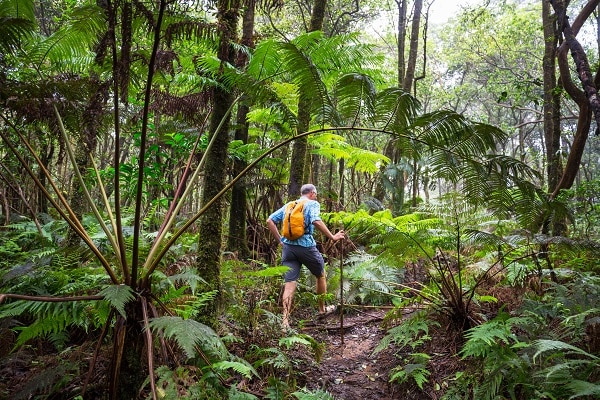
The Big Island of Hawaii is an exciting exploration ground that offers a variety of climates, each providing unique experiences and challenges. Whether you are planning to bask in the tropical sun, hike through lush rainforests, or scale the snow-capped peaks, understanding the climate zones will help enhance your travel experience. Adequate preparation is crucial, from bringing the proper attire for different weather conditions to being aware of safety guidelines for each zone.
Maintaining a respectful approach toward the environment is also essential. This includes adhering to the principles of leaving no trace, respecting wildlife, and contributing to local conservation efforts where possible. By doing so, you’ll not only ensure a memorable experience for yourself but also help preserve these unique climate zones for future generations.
Having Fun Exploring The Climate Zones Of Hawaii’s Big Island!
From the lush rainforests and arid deserts to the snowy peaks, Hawaii’s Big Island offers a climatic journey like no other. Navigating through these distinct climate zones, each with its unique ecosystem, provides a profound understanding of the island’s rich biodiversity. By appreciating and respecting these varied environments, you can enjoy a more fulfilling travel experience while also contributing to the conservation of these delicate ecosystems. May this guide aid in your exploration, helping you create lasting memories and a deeper appreciation for the planet’s incredible diversity!