 By
By Modern Takes on Mochi Flavors
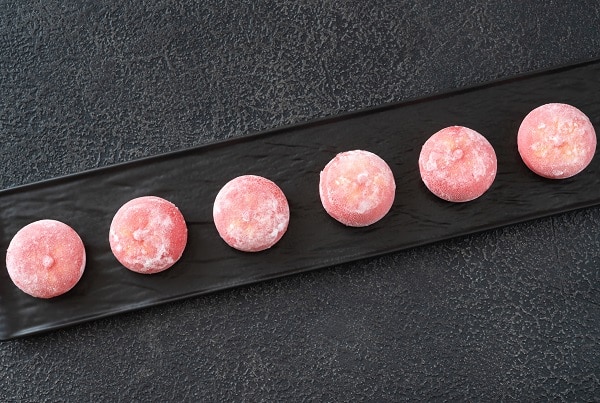
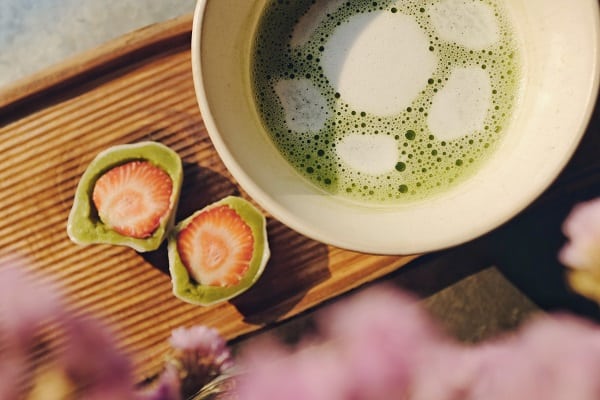
Traditional Japanese flavors do not just bind the world of Mochi. As global taste palates have evolved and the popularity of Mochi has soared, a slew of modern flavors has emerged. These flavors, such as strawberry, chocolate, and mango, are inspired by Western desserts and cater to a wider audience. Strawberry mochi, or Ichigo daifuku, typically encases a whole strawberry and sweet bean paste, offering a fruity freshness with every bite.
This movement towards innovative flavors is in part due to the globalization of food culture. As Mochi has made its way from Japan to dessert shops and supermarket shelves worldwide, the flavors have been adapted to suit local tastes. These modern takes on Mochi demonstrate its versatility and adaptability, transforming this traditional Japanese dessert into a global favorite that continues to evolve and tantalize taste buds worldwide.
Savory Mochi Flavors
While Mochi is widely recognized as a sweet dessert, savory versions also exist, adding an interesting twist to this traditional dish. One example is soy sauce or shoyu mochi, which is grilled until it puffs up and then drizzled with a sweet soy sauce glaze. Seaweed-wrapped Mochi, often filled with a paste of miso and walnuts, is another savory delicacy highlighting the balance of flavors in Japanese cuisine.
Contrasting sweet Mochi, these savory versions are usually enjoyed as snacks or part of a meal rather than dessert. Their flavors lean towards umami, the savory taste fundamental in many Japanese dishes. Whether you prefer sweet or savory Mochi depends largely on your taste, but exploring these unique savory flavors provides a new perspective on the diversity of Mochi.
Mochi Flavors Around the World
As Mochi has spread globally, it has taken on the flavors of the lands it’s reached. In the Philippines, ube, a purple yam, is used to make a vibrant purple mochi. In Hawaii, taro, a starchy root vegetable, is a common flavor for Mochi, reflecting the local palate and agricultural produce.
The fusion of local flavors into Mochi makes it more appealing to the residents of these regions and enriches the spectrum of mochi flavors globally. It’s a testament to Mochi’s versatility and adaptability, proving that this little rice cake can become a part of any culinary culture, blending seamlessly with local flavors and ingredients.
Choosing Your Perfect Mochi Flavor
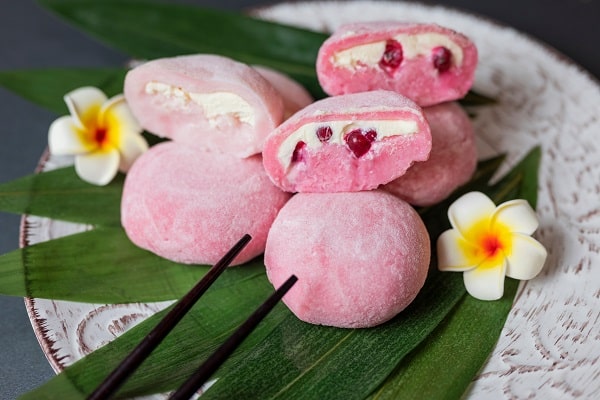
Choosing the right mochi flavor for you might feel overwhelming, given the vast array of options. However, the choice often boils down to personal preference. If you enjoy fruity desserts, flavors like strawberry or mango might be perfect. For those with a taste for rich, creamy desserts, flavors like chocolate or vanilla could be a better fit.
While personal taste plays a significant role, other factors like occasion, mood, or dietary restrictions can also influence the choice. For example, traditional flavors might be preferred for a Japanese-themed party or dinner, while modern flavors might be more appealing for casual gatherings or children’s parties. Whatever your preference, don’t be afraid to experiment. The world of mochi flavors is vast and meant to be explored.
The Bottom Line
From the traditional flavors deeply rooted in Japanese culture to the modern twists and regional adaptations, Mochi’s diverse array of flavors is a testament to its versatility and worldwide appeal. These flavors are more than just tastes; they represent the rich history and traditions of their places of origin, the evolving global palate, and the creativity of mochi makers worldwide. So, whether enjoying a matcha mochi during a tea ceremony or biting into a strawberry-filled mochi on a sunny afternoon, you’re partaking in a global culinary journey, one flavorful bite at a time. Discover the joy of Mochi, appreciate its cultural significance, and, most importantly, savor its delicious flavors.