 By
By 1890s: The Introduction Of Typica Variety

In the 1890s, a new coffee plant called Typica was introduced to Hawaii. These beans had an incredibly smooth, sweet flavor that made them highly sought after by coffee connoisseurs across the globe. This particular strain was especially well-suited to the climate and soil of the Big Island, and its production quickly spread across estates in Kona, Kauai, Maui, and Oahu.
This high demand for Typica beans helped to make Hawaiian-grown coffees some of the most valuable and sought-after in the world. This contributed to an explosion in production, with new estates popping up all over the island to keep up with the demand.
1900s: The Japanese Farming Era

In the early 1900s, Japanese immigrants began moving to Hawaii for work and a better life. Many began working on coffee estates, learning their predecessors’ ins and outs of growing and processing beans. During this time, the economics behind the coffee industry began to crash, forcing many Hawaiian coffee producers to close their businesses. However, the Japanese farmers remained and continued to refine their skills in the art of cultivating high-quality beans.
By 1910, Japanese-run coffee farms began to dominate the landscape. Many of the finest Kona beans can be traced back to these early Japanese farming families. Hawaiian coffee made its mark on the international market with its expertise in producing consistent high-grade coffees.
1960s: Hawaii Becomes A State

In 1959, Hawaii officially became the 50th state of the United States. This allowed Hawaiian-grown coffees to be imported and exported freely within the US without the high costs of tariffs and import taxes. This opened up opportunities for coffee farmers all over the islands, as products could now easily reach a much wider audience. As more people were exposed to Hawaiian-grown coffees, they began to appreciate their unique flavor and quality.
However, with the rise in tourism, many smaller coffee farms began to struggle and eventually gave way to larger multi-estate operations. This shift towards large-scale production led some to worry about the potential for overharvesting and soil exhaustion.
Present Day: A Sustainable Future
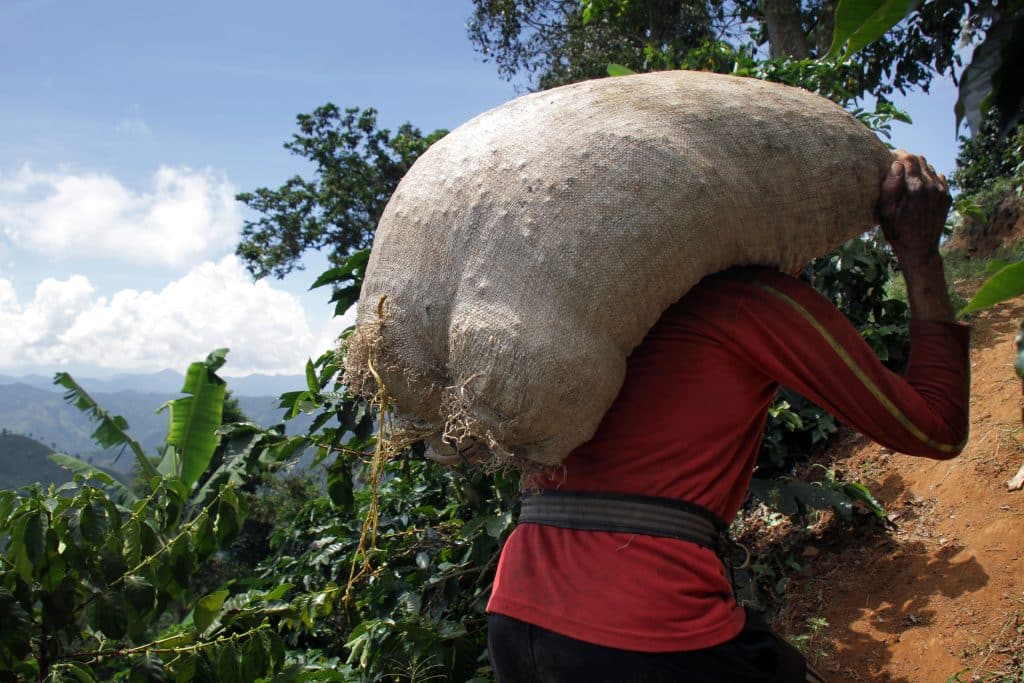
Despite these challenges, Hawaii’s coffee culture has remained strong, and the industry strives for a more sustainable future. Coffee farmers are now taking steps to ensure that their practices have a minimal environmental impact and are investing in new technologies such as solar-powered drying facilities and energy-efficient roasting systems.
These advances have made Hawaiian coffees even more beloved, and the unique flavor profile that makes them so special still stands out among coffee drinkers worldwide. From its humble beginnings to becoming a highly sought-after commodity, Hawaiian coffee has become a true symbol of Paradise in a cup.
The History of Coffee Growing On The Island Is A Fascinating Story!
The history of coffee growing on the big island shows that it has come a long way since it was first introduced in the early 19th century. From its beginnings as an unknown beverage, Kona coffee has become a recognizable brand in the industry and helped revolutionize how coffee was grown and processed in Hawaii. As more people become exposed to its unique flavor profile and quality, Hawaiian coffee continues to gain worldwide appreciation and recognition. With a dedication to sustainable practices and a passionate community of farmers behind it, there’s no doubt that this thriving industry will continue to produce some of the finest coffees in the world for many years to come!