 By
By Traditional Hawaiian Cuisine
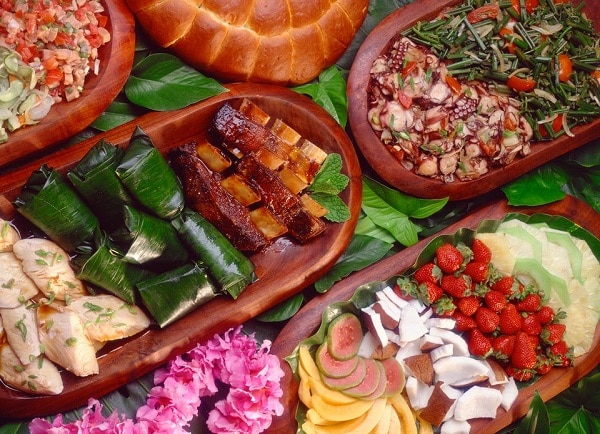
Food is an integral part of any culture, and Hilo is no exception. Traditional Hawaiian cuisine is a reflection of the island’s abundant natural resources and the ingenuity of its people. From the staple poi made from taro root to the luau feast featuring dishes like kalua pig and laulau, Hawaiian food is a culinary journey through the island’s history and culture.
In Hilo, traditional Hawaiian cuisine is not just a part of daily life but also a means of celebration. Festivals and community gatherings often feature traditional foods prepared using age-old methods. These events serve as an opportunity to pass down culinary traditions to younger generations and share Hawaiian cuisine’s rich flavors with visitors.
The Art Of Lei Making
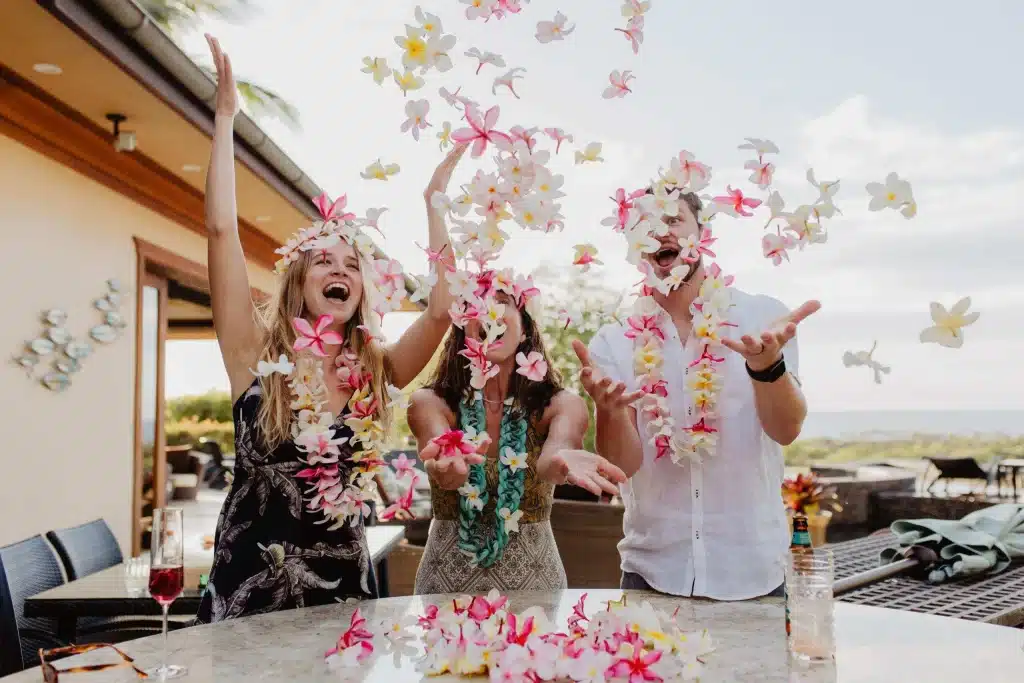
The lei, a garland of flowers, leaves, or shells, is a symbol of Hawaii known worldwide. In Hilo, the art of lei making is a cherished tradition, a craft passed down through generations. The lei is more than just a decorative accessory; it is a gesture of aloha, a symbol of respect, and a way to honor people and special occasions.
Lei making in Hilo is a communal activity, often involving family and friends. The process, from gathering materials to stringing the lei, is a labor of love imbued with the spirit of aloha. Whether it’s a simple strand of plumeria blossoms or an intricate lei made from tiny shells, each lei is a work of art, a testament to Hilo’s rich cultural heritage.
The Influence Of Surfing

Surfing, a sport deeply rooted in Hawaiian culture, has a significant influence on Hilo’s cultural heritage. The ancient Hawaiians considered surfing, or he’e nalu, a spiritual practice, a way to connect with the ocean’s power. Today, surfing is not just a popular pastime in Hilo but a way of life, a reflection of the city’s deep connection with the sea.
In Hilo, surfing is more than just riding waves; it’s about community, respect for the ocean, and the perpetuation of an ancient tradition. Surf competitions and events are common, attracting locals and visitors alike. These events are not just about showcasing skill but about celebrating a sport that is an integral part of Hilo’s cultural identity.
The Role Of Spirituality And Religion

Spirituality and religion play a significant role in Hilo’s cultural heritage. Traditional Hawaiian spirituality centers around a deep respect for the land and the sea, the belief in ancestral spirits, and the acknowledgment of various gods and goddesses. These beliefs are deeply ingrained in the cultural fabric of Hilo, influencing everything from daily practices to community events.
In addition to traditional beliefs, Hilo is also home to a variety of religious practices brought by immigrants over the centuries. From Christianity to Buddhism, these religions have added to the city’s cultural diversity. Despite the variety of spiritual beliefs, there is a common thread of respect and tolerance, reflecting Hilo’s spirit of aloha.
The Impact Of Tourism On Hilo’s Cultural Heritage

Tourism significantly impacts Hilo’s cultural heritage, both positively and negatively. On the positive side, tourism brings economic benefits, provides opportunities for cultural exchange, and raises awareness about the importance of preserving Hilo’s cultural heritage. Tourists are drawn to Hilo’s rich culture, from its traditional practices to its vibrant festivals.
However, tourism also presents challenges. There is a risk of cultural commodification, where traditions are altered to cater to tourists, losing their authenticity in the process. There’s also the issue of over-tourism, which can strain local resources and disrupt community life. It’s a delicate balance, but Hilo is committed to promoting responsible tourism that respects and preserves its cultural heritage.
Preserving Hilo’s Cultural Heritage For Future Generations

Preserving Hilo’s cultural heritage for future generations is a responsibility shared by the entire community. This involves not only preserving traditions but also teaching them to the younger generation. From hula schools to language immersion programs, there are numerous initiatives in Hilo aimed at cultural preservation.
In addition to formal education, cultural transmission also happens in homes and community gatherings. Elders pass down stories, recipes, craft techniques, and other cultural knowledge, ensuring these traditions live on. These efforts to preserve Hilo’s cultural heritage are about maintaining a link to the past and building a future that respects and celebrates Hilo’s unique identity.
Hilo’s Cultural Heritage Is One Worth Remembering!
Hilo’s cultural heritage is a vibrant tapestry of traditions, beliefs, and practices passed down through generations. From its Polynesian roots to its multicultural influences, Hilo’s culture is a testament to the resilience and adaptability of its people. As you journey through Hilo’s cultural landscape, you’ve seen the importance of preserving and embracing these traditions. It’s a task that requires the entire community’s commitment, from elders passing down knowledge to educators incorporating culture into their curriculum.