Harvesting Kona coffee is as unique and remarkable as the coffee itself. Revered by coffee connoisseurs across the globe, Kona coffee is grown exclusively in the Kona district of Hawaii’s Big Island, where the island’s rich volcanic soil and distinctive climate create the perfect environment for this exquisite coffee variety. However, what truly makes Kona coffee stand out is the meticulous care and expertise that local farmers pour into every stage of its harvesting process. From the careful selection of ripe coffee cherries to the delicate roasting techniques that bring out the coffee’s signature flavor, the journey of Kona coffee from tree to cup is a fascinating tale worth exploring.
From the above paragraph, you’ll delve into the intricate steps that contribute to creating a cup of this much-coveted brew, each underlining why Kona coffee has a place of honor in gourmet beverages.
The Delicate Art Of Harvesting Kona Coffee
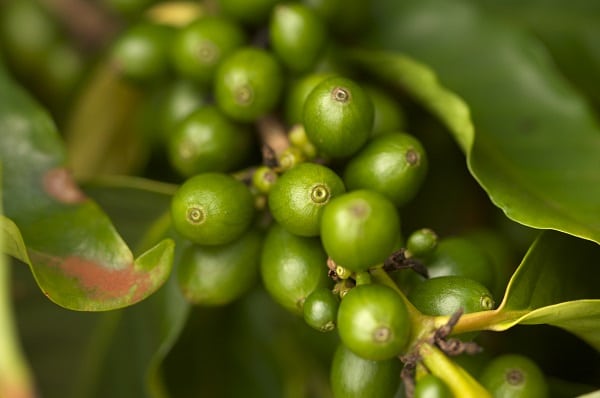
The Kona district in Hawaii boasts a unique climate – a perfect blend of sun, rain, and cool evenings, which create the ideal conditions for coffee cultivation. These environmental factors lead to a longer growing season, allowing the coffee cherries to develop a richer flavor. However, what truly sets Kona coffee apart is its hand-harvesting process. Unlike machine harvesting, which collects all cherries simultaneously, the Kona farmers meticulously pick only the ripe cherries, ensuring every single bean is at its peak flavor potential.
A day in the life of a Kona coffee harvester during peak season is a study of dedication and skill. Each tree may need to be visited up to six times during the season as the cherries do not ripen uniformly. This labor-intensive process ensures that every cherry is picked only at the optimal point of maturity, providing the highest quality yield possible. This unwavering commitment to quality makes Kona Coffee stand apart in a class of its own.
Stages In Harvesting Kona Coffee
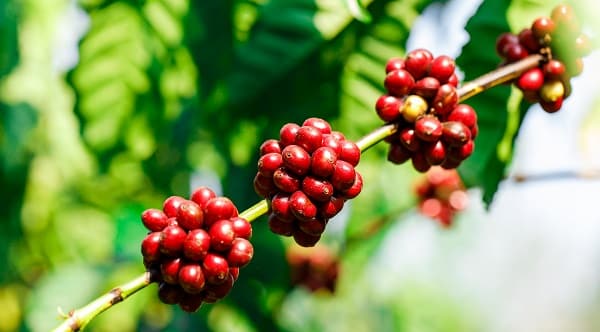
The journey of a Kona coffee bean is broken down into several stages: cherry picking, de-pulping, fermentation, washing and drying, milling, sorting and grading, and finally, roasting. Each stage requires a careful balance of timing and expertise to prevent any damage or spoilage of the beans, which could compromise their quality.
Each of these stages is integral to crafting the end product. However, the intricacy and dedication in the process do not stop there. Further steps include storing and packaging the beans, all performed with unwavering attention to detail, ensuring that the unique flavor of Kona coffee is preserved from the fields of Hawaii to your cup.
Cherry Picking – The Start Of The Harvesting Process
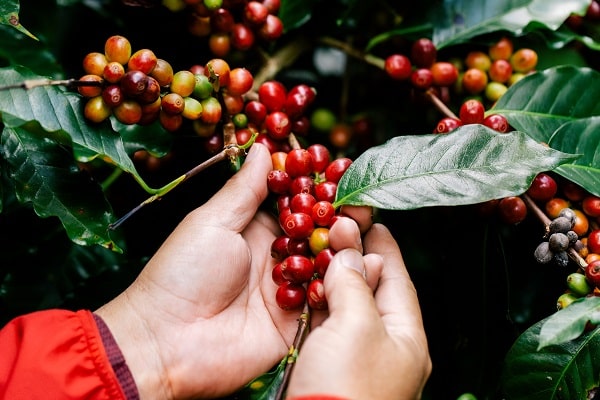
In the world of Kona coffee, everything begins with cherry-picking. This process is done by hand to ensure that only the cherries that have reached optimal ripeness are selected. By choosing only the ripest cherries, farmers ensure that the beans provide the deep, robust flavor Kona coffee is known for.
The hand-picking process also prevents overripe or underripe cherries from being harvested. This precision and care during the cherry-picking stage are pivotal in setting the tone for harvesting. Unripe cherries could lead to a sour taste, while overripe ones may yield a flat, uninspiring flavor. Thus, meticulous cherry picking ensures every sip of Kona coffee is a harmonious melody of flavor.
Depulping – Separating The Bean From The Cherry
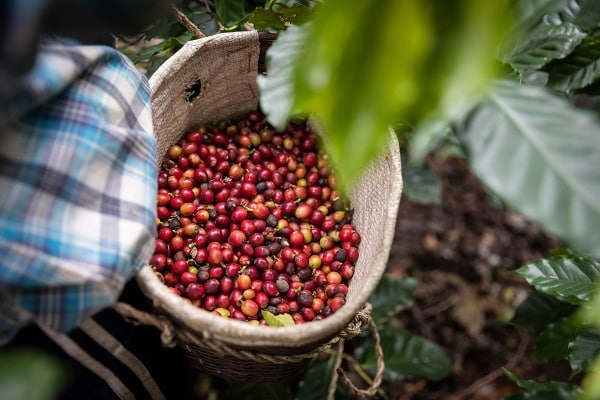
Once the coffee cherries have been picked, they are promptly transported to a processing facility for de-pulping. During this stage, the outer flesh of the cherry is removed, exposing the coffee beans encased within. Time is of the essence in this process, as leaving the cherries unpulped for too long can lead to fermentation, which may alter the coffee’s flavor.
Depulping must be done with great care to prevent damaging the beans. Any cracks or splits in the beans at this stage can lead to irregularities during roasting, which could ultimately result in an inconsistent flavor profile. Once the beans are successfully de-pulped, they are ready to move on to fermentation’s next crucial phase in the harvesting process.