 By
By The Dangers of Living Near A Volcano
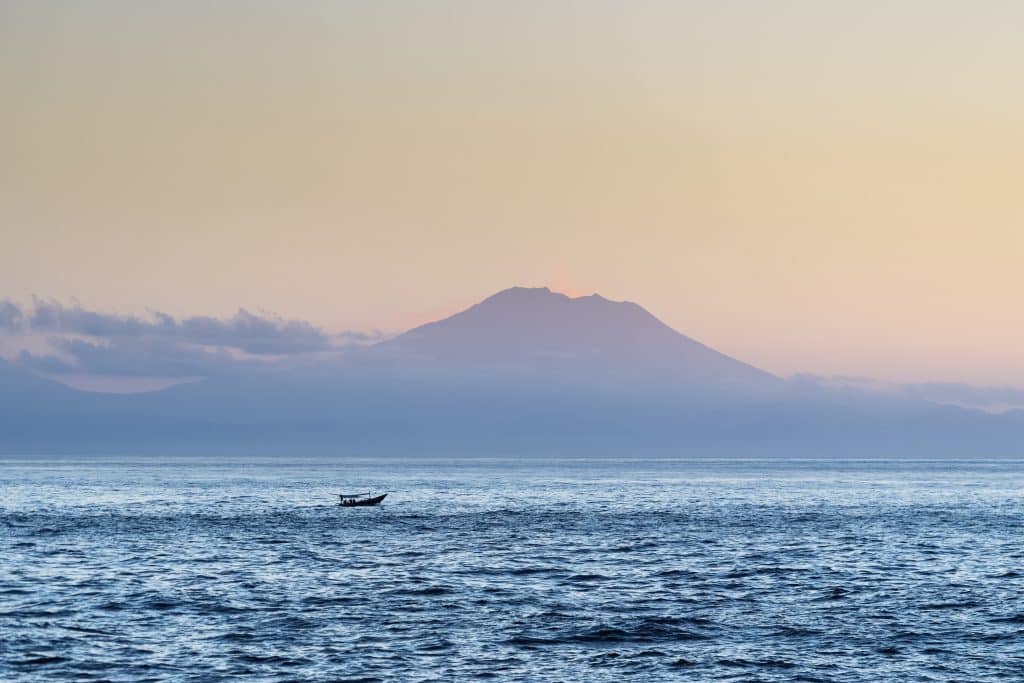
Volcanoes are awe-inspiring natural wonders, but they can also be deadly. When a volcano erupts, it can unleash a destructive force that can devastate entire communities. Lava flows, ashfall, and mudflows can destroy homes and bury people alive.
Pyroclastic flows, fast-moving clouds of hot gas and rock, can reach temperatures of over 1,000 degrees Fahrenheit and travel at speeds of up to 100 miles per hour. And the only warning signs that an eruption is about to occur are typically seismic activity and an increase in steam emissions. However, the dangers are very real for those who live near a volcano. Therefore, it is crucial to have a plan and know how to evacuate quickly to minimize the risk of death or injury during an eruption.
What To Do In The Event Of An Eruption

In the event of a volcanic eruption, it is important to take steps to protect yourself and your property. If you are in the vicinity of the eruption, quickly move to a safe location outside the path of the lava flow or debris field. If you are downwind of the eruption, be aware that volcanic ash can harm your lungs, and take steps to avoid inhaling the ash. Once you are in a safe location, stay there until it is safe to return.
Be aware that volcanic eruptions can cause earthquakes, and watch for signs of impending earthquakes, such as ground shaking or unusual noises. If an earthquake does occur, quickly drop to the ground and take cover under a sturdy table or piece of furniture. Stay away from windows, fireplaces, and exterior walls, as these may collapse during an earthquake. When the earthquake has subsided, carefully survey your surroundings for any hazards before proceeding.
Lastly, be aware that after a volcanic eruption, mudflows may occur. These mudflows can be extremely dangerous, so staying out of their path is essential. Following these safety guidelines can minimize the risk of injury or death during a volcanic eruption.
Recent Volcanic Activity On The Big Island And Its Effects On The Community
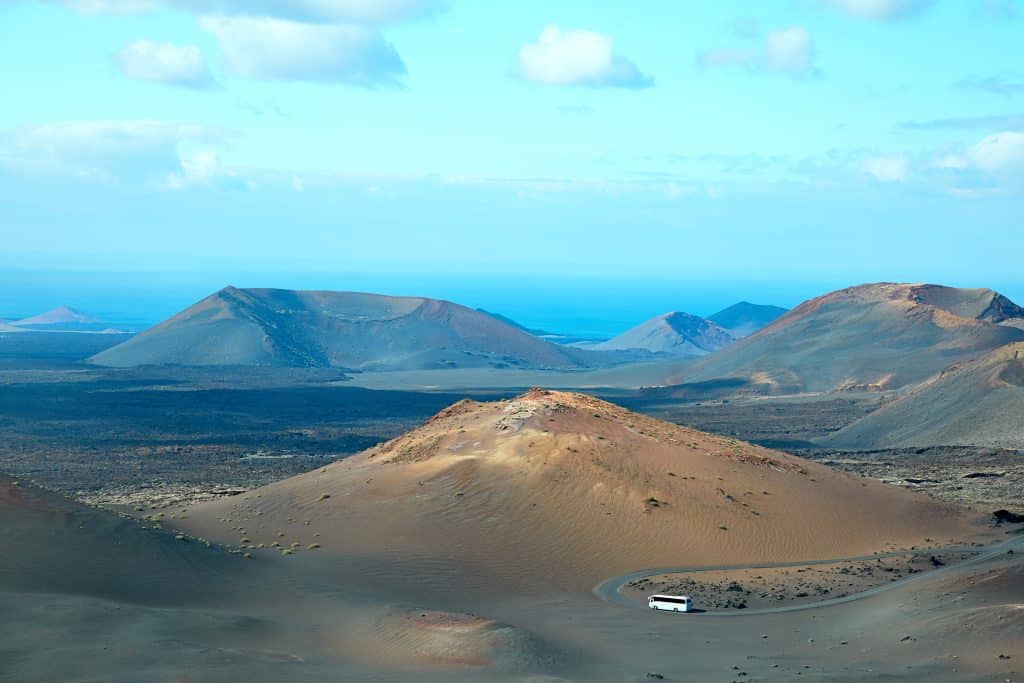
In the past years, the Big Island has seen an increase in volcanic activity. The most recent large-scale eruption, which began in May 2018, has caused considerable damage to the island, including destroying homes and roads. The lava flow has also made it difficult for people to access essential services, such as hospitals and schools.
In addition, the eruption has generated a large amount of ash and toxic gas, forcing many residents to evacuate their homes. While the eruption has caused significant disruption to the community, it has also created some opportunities. For example, the lava flow has created new landforms, which could be used for tourism or agriculture in the future.
In addition, the eruption has resulted in forming a new volcano, which could provide geothermal energy for the island. Overall, while the recent volcanic activity on Big Island has negatively impacted the community in the short term, it also holds long-term potential for long-term benefits.
Will You Visit The Volcanoes Of The Big Island Someday?
The Big Island of Hawaii is a beautiful place with diverse landscapes and interesting geological features. Among these are the state’s active volcanoes, which can be both awe-inspiring and dangerous. This post has explored the different types of volcanoes found on the Big Island, how they form, and the dangers of living near them. Although eruptions are unpredictable, it is essential to prepare for them by having evacuation plans and knowing where to find information about potential hazards.