 By
By The Theoretical Part: Coursework

Diving isn’t just about strapping on some gear and jumping into the water. A solid understanding of the theory behind diving is crucial for your safety and enjoyment. The coursework includes subjects like diving physics, physiology, equipment, and safety protocols.
The theory can be learned through self-study, online learning, or classroom instruction. You’ll take quizzes throughout the course to assess your understanding and a final exam to confirm your mastery of the theory.
The Practical Part: Pool And Open Water Dives
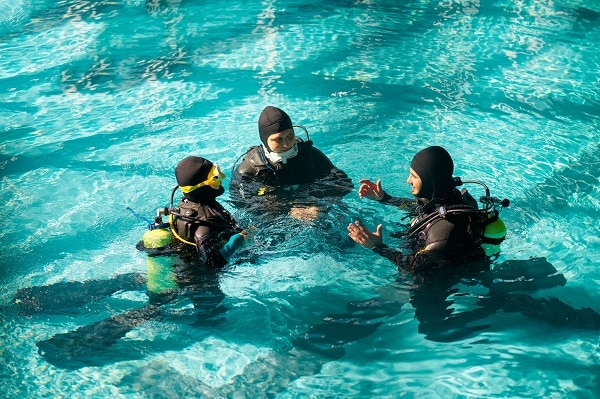
After learning the theory, it’s time to put your knowledge into practice. You’ll start with confined water dives, usually in a swimming pool. Here, you’ll learn and practice basic diving skills under the guidance of your instructor.
Once you’ve mastered these skills, you’ll move on to open water dives. This is where you’ll apply your learned skills in a real diving environment. You’ll experience the thrill of exploring the underwater world while confirming your competence in fundamental diving procedures. The number of open water dives required for certification varies between agencies, but typically, you’ll need to complete four to five dives.
Final Examination And Certification
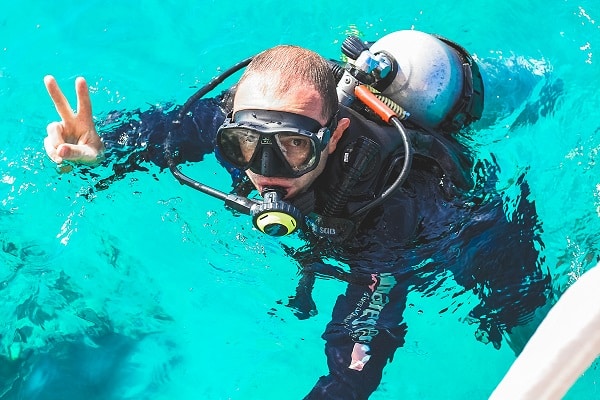
The culmination of your course is the final examination. This assesses both your theoretical knowledge and practical skills. The theoretical exam is usually a written or digital test based on the coursework you’ve studied.
The practical exam is conducted during your open water dives. Your instructor will observe you to ensure that you can apply the diving techniques and safety procedures you’ve learned. Upon successful completion of the exams, you’ll receive your diver’s certification, marking your official entry into the world of scuba diving.
Keeping Your Skills And Certification Current
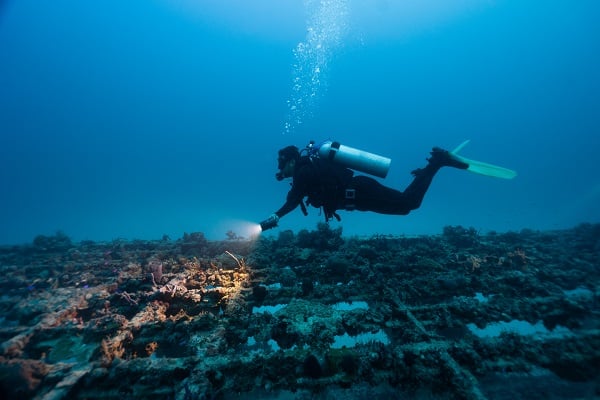
Earning your diver’s certification is just the beginning. To remain a safe and competent diver, it’s important to keep your skills sharp. This means diving regularly and possibly continuing your education with advanced courses or specialty certifications.
Remember, your certification does not expire, but if you have not dived for a significant period, a refresher course is recommended. This will help you review essential skills and get comfortable with the gear again, ensuring you’re ready for your next underwater adventure.
Advanced Diver’s Certification
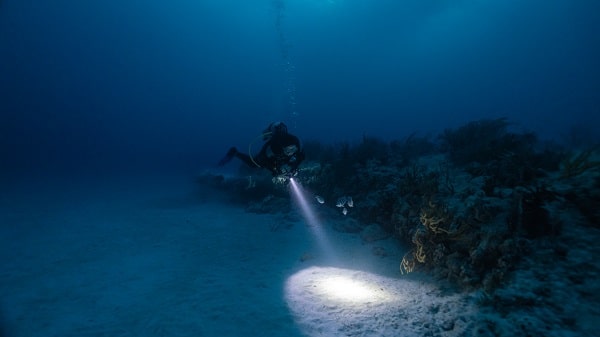
After earning your initial diver’s certification, you might find yourself yearning for more challenges and deeper explorations. This is where the advanced diver’s certification comes in. These advanced courses allow you to broaden your skills, gain confidence, and dive into a wider variety of environments.
Some advanced certifications might include deep diving, night diving, or underwater navigation. The prerequisites and course structure for advanced certification vary between agencies, but typically you’ll need to complete a series of specialty dives and further your theoretical knowledge.
The Bottom Line
The path to getting your diver’s certification is a journey of discovery and learning, filled with excitement, challenges, and memorable experiences. Although it requires a commitment of time and effort, the reward of exploring the underwater world is beyond compare. As you continue to hone your skills and possibly pursue advanced certifications, each dive will open up new horizons and unforgettable marine encounters. So take the plunge and embark on the journey towards becoming a certified diver today.