
The Science Behind Coral Reefs
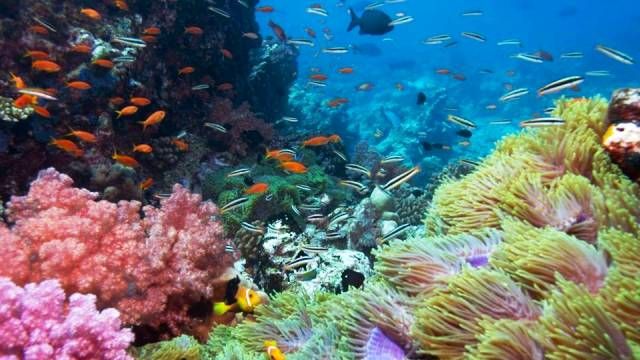
Coral reefs are often called the “rainforests of the sea” due to their incredible biodiversity. Understanding the basic biology of coral is key to appreciating these ecosystems. Corals comprise tiny animals called polyps, which form symbiotic relationships with algae. This partnership is essential for the reef’s survival, as the algae provide the corals with nutrients through photosynthesis, while the corals offer the algae a safe environment.
The symbiotic relationships within the reef ecosystem extend beyond corals and algae. Many marine species rely on the reefs for food, shelter, and breeding grounds. The complex interactions among these species create a delicate balance essential for the reef’s health. Coral reefs also play a crucial role in the broader oceanic environment, acting as buffers for coastlines against storm surges and erosion and serving as nurseries for many marine species. Understanding these scientific aspects helps us recognize the importance of preserving these natural wonders.
Interacting with the Reefs Responsibly
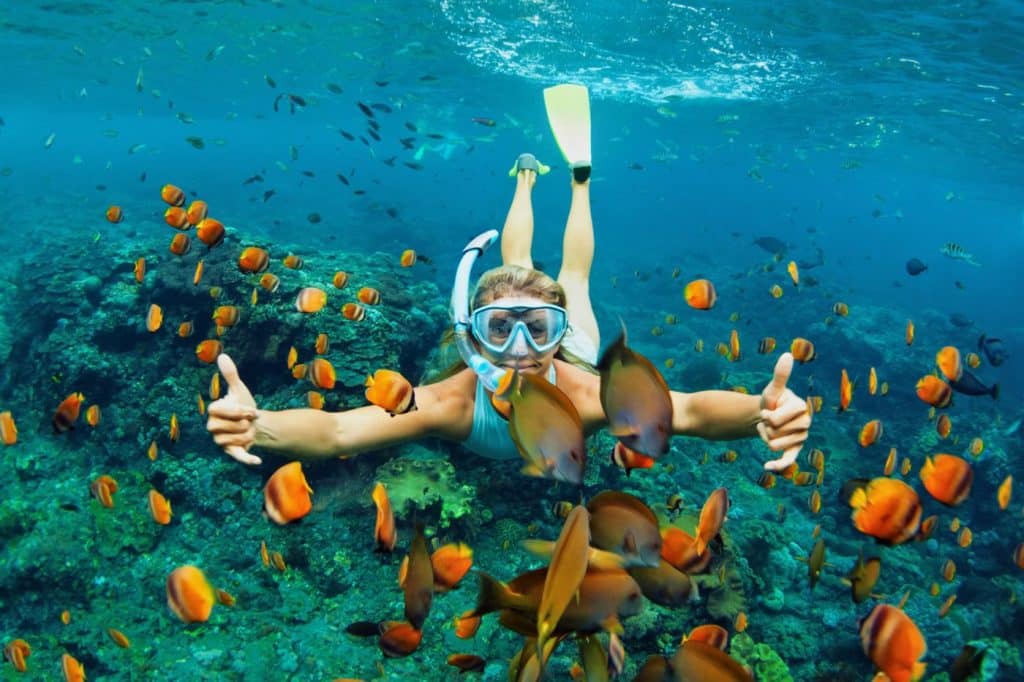
Responsible interaction with coral reefs is essential for their preservation. Visitors to Kona’s reefs should adhere to eco-friendly practices, such as not touching or standing on the coral, as these actions can cause significant damage. It’s also important to avoid disturbing marine life, including feeding fish or chasing sea turtles, as this can disrupt their natural behavior and ecosystem balance. Using reef-safe sunscreen is another critical practice, as traditional sunscreens contain chemicals harmful to coral reefs.
Educating tourists and locals about the importance of these practices is vital. Many local tour operators and conservation groups offer guidance on responsible reef interaction. By following these guidelines, visitors can enjoy the beauty of the reefs without contributing to their degradation. Sustainable tourism helps preserve Kona’s reefs and ensures that future generations can enjoy and learn from these natural wonders.
Kona’s Reef-Friendly Initiatives
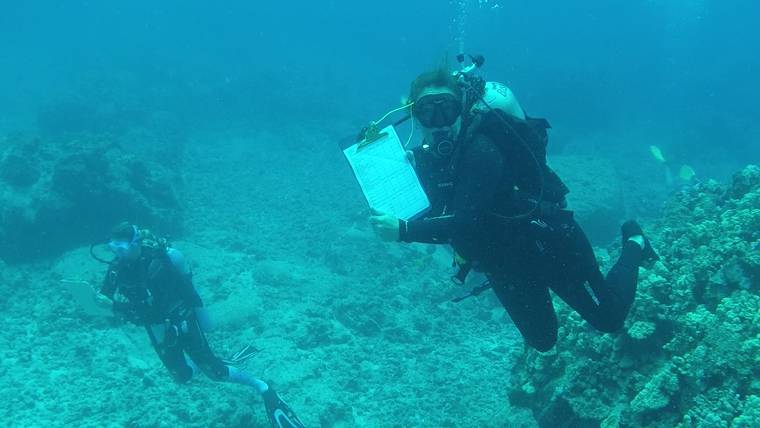
Kona has seen a surge in reef-friendly initiatives in response to the growing environmental challenges. Local conservation projects, often spearheaded by community groups and environmental organizations, focus on reef restoration, research, and public education. These projects include coral planting, beach clean-ups, and educational programs to raise awareness about the importance of reef conservation.
Visitors to Kona can contribute to these initiatives in various ways. Participating in guided tours that support local conservation efforts, donating to reef restoration projects, or volunteering for beach clean-ups are excellent ways for tourists to give back. By engaging in these activities, visitors not only enhance their travel experience but also play a role in preserving Kona’s coral reefs.
The Economic Impact of Coral Reefs
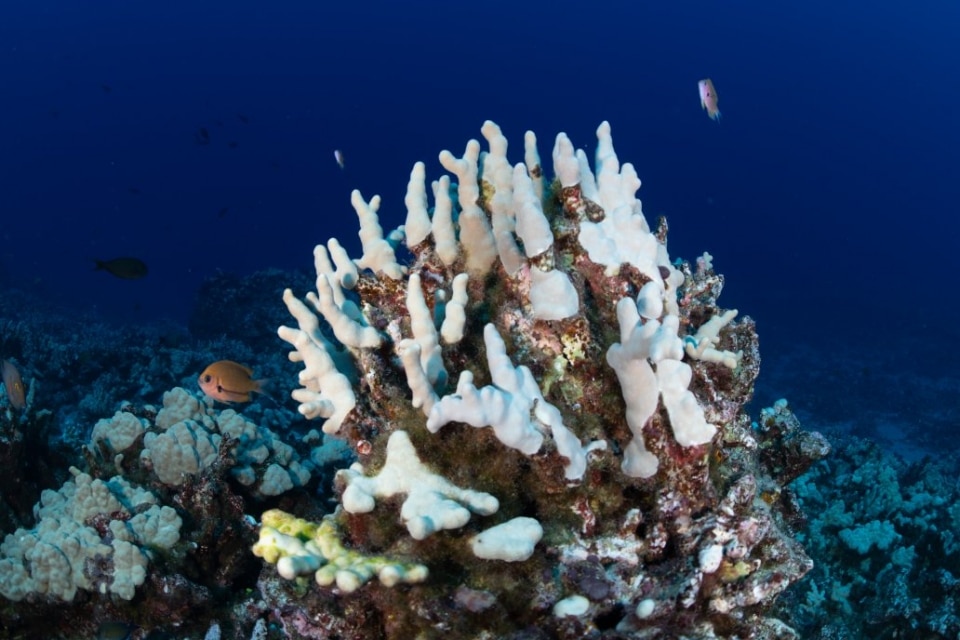
Coral reefs are not just ecological treasures but also economic powerhouses for local communities. In Kona, the reefs attract thousands of tourists annually, contributing significantly to the local economy. From diving and snorkeling tours to reef-related research and conservation, the reefs generate income and create jobs.
However, the economic dependence on coral reefs also underscores the need for sustainable practices. Overexploitation and environmental degradation can have dire economic consequences. Balancing economic interests with ecological sustainability is crucial for the long-term prosperity of Kona and its coral reefs.
Global Significance of Local Reefs
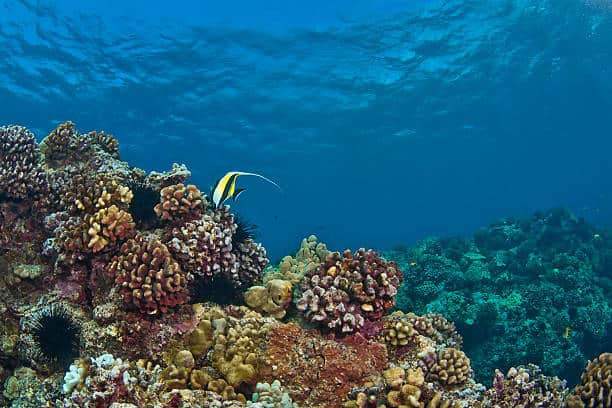
Kona’s coral reefs, while geographically specific, have global environmental significance. They are part of the larger Pacific coral reef system, contributing to global biodiversity and marine health. The reefs also offer valuable insights into coral resilience and adaptation, aiding global efforts to combat climate change and its impacts on marine ecosystems.
The conservation efforts in Kona serve as a model for other reef systems worldwide. The lessons learned and strategies developed in Kona can be applied in other regions, making the local efforts part of a global initiative to save coral reefs.
The Bottom Line
Kona’s coral reefs are more than just underwater attractions; they are vital ecosystems crucial for marine life and the local community. This guide has explored these reefs’ wonders, challenges, and significance, highlighting the need for responsible interaction and conservation. The future of these vibrant ecosystems depends on collective efforts and sustainable practices. As visitors and caretakers of the natural world, the responsibility to protect and preserve these reefs is a shared one. The beauty and diversity of Kona’s coral reefs are a treasure that, with care and respect, can continue to flourish and inspire awe in all who experience their majesty.