 By
By Kaimu Beach
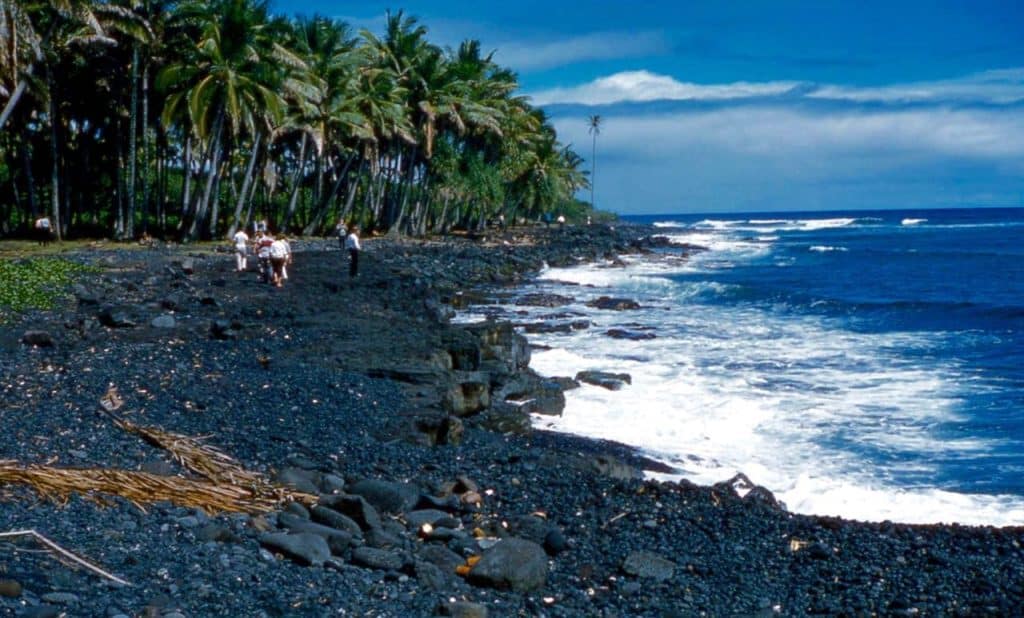
Kaimu Beach, located in the lush Puna district, offers a poignant glimpse into the ever-changing nature of Hawaii’s landscapes. Before the 1990 Kilauea eruption, Kaimu was renowned for its idyllic beauty, with sparkling sands and swaying palms. However, the eruption dramatically reshaped this paradise, burying the original beach under about 70 feet of lava. Today, a new black sand beach has formed in its place, symbolizing nature’s relentless cycle of destruction and creation.
Visiting Kaimu Beach now is a unique experience. The landscape is stark yet beautiful, dominated by the rugged lava fields and the emerging black sand shoreline. The beach is accessible via a short hike from the parking area at Kaimu Kalapana Beach Park, offering visitors a firsthand look at the young, evolving coastline. While swimming is not advised due to the strong currents, Kaimu is an excellent spot for sightseeing, reflecting on the power of nature, and witnessing the rebirth of a beach.
Polulu Valley Beach
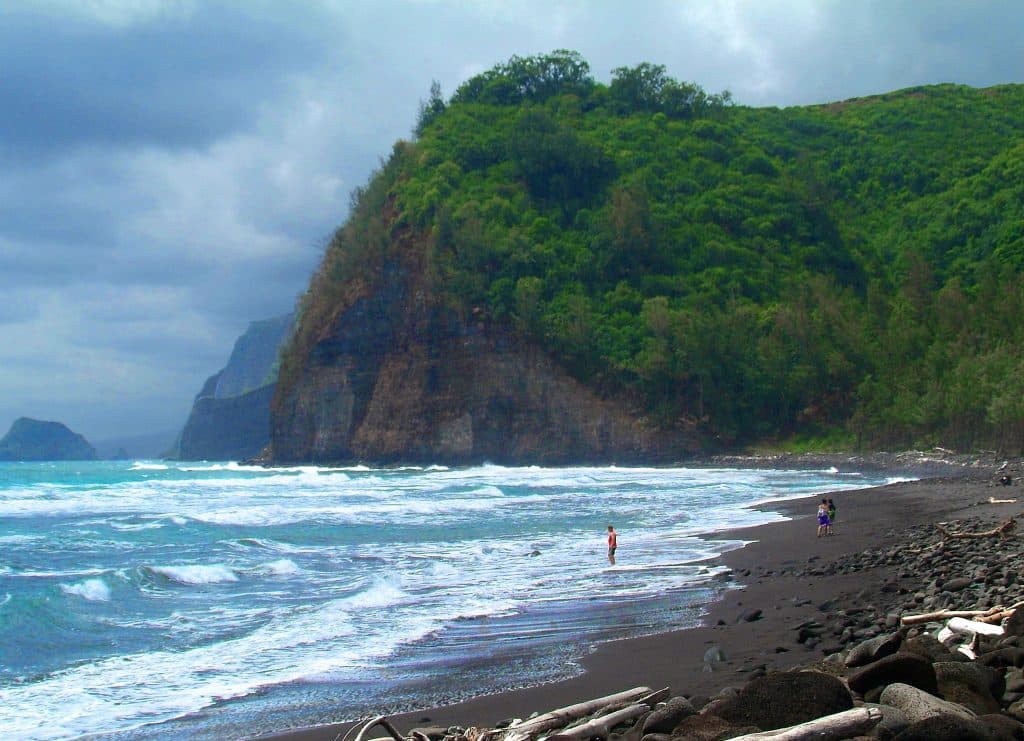
Polulu Valley Beach, carved out by the ancient Kohala volcano, stands as a testament to Hawaii’s geological past. The beach is located at the head of the scenic Polulu Valley, where the remnants of the volcano meet the sea, creating a stunning black sand beach. This beach is unique for its emerald-green ground cover, which beautifully contrasts with the dark sand and the blue ocean, painting a picture of Hawaii’s diverse natural palette.
Accessing Polulu Valley Beach is an adventure in itself. A hike down a steep, winding trail leads visitors from the lookout point at the end of Highway 270 to the valley floor. This hike, though short, can be challenging, especially during the rainy season when the path becomes slippery. However, the effort is rewarded with breathtaking views and a serene beach setting. Swimming here is not recommended due to strong undertows and high tides, but the beach is a perfect spot for photography, picnicking, and simply soaking in the awe-inspiring surroundings.
Cultural Significance Of These Beaches
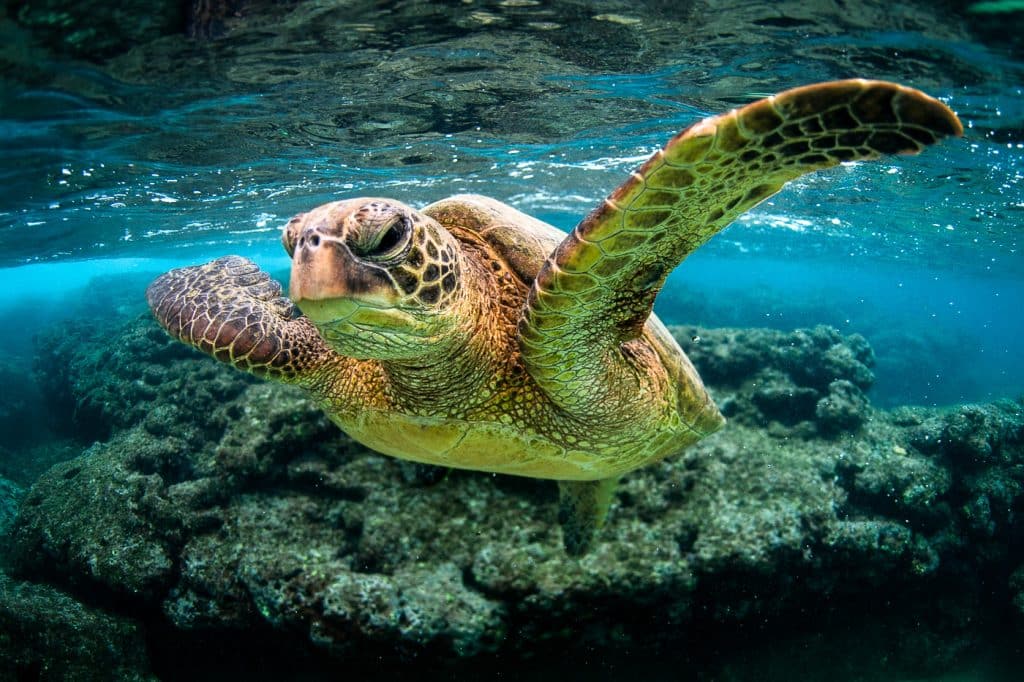
The black sand beaches of the Big Island are not only natural wonders but also hold significant environmental and cultural importance. Ecologically, these beaches provide critical habitats for various marine species, including the endangered Hawaiian green sea turtle. The unique sand composition, a result of volcanic activity, supports a distinct ecosystem, different from that of typical white sand beaches. These beaches are vital for biodiversity and environmental health, serving as a natural laboratory for studying volcanic processes and ecological adaptation.
Culturally, these beaches are deeply ingrained in Hawaiian traditions and lore. They are considered sacred in many Hawaiian stories and legends, often associated with Pele, the Hawaiian goddess of volcanoes and fire. For the local community, these beaches are more than just tourist attractions; they represent a connection to their ancestral past and a respect for the natural forces that shape their land. As such, it’s crucial for visitors to approach these sites with respect and mindfulness, honoring the cultural significance and natural sanctity of these unique landscapes.
Discover The Wonders Of The Big Island’s Black Sand Beaches
In the heart of the Pacific, the Big Island’s black sand beaches stand as a testament to nature’s artistry and power. Each beach, with its unique charm and story, beckons for exploration and respect. As you plan your journey, remember these shores are more than scenic spots; they are delicate ecosystems and cultural treasures. Embrace the spirit of adventure and conservation, and let these extraordinary landscapes inspire a deeper connection with the natural world.