 By
By Blackburn’s Sphinx Moth

The Blackburn’s Sphinx Moth is a giant moth found only on the Big Island of Hawaii. It is listed as endangered due to habitat loss and the impact of non-native species on its habitat. The Blackburn’s Sphinx Moth plays a vital role in the island’s ecosystem as a pollinator of native plant species.
To protect the Blackburn’s Sphinx Moth, conservation efforts have focused on restoring native habitats and controlling populations of non-native species that threaten the moth’s survival. Additionally, steps are underway to monitor moth populations and educate local communities about protecting endangered species in Hawaii.
Hawaiian Petrel

The Hawaiian petrel is a seabird found only in Hawaii and is listed as endangered. Habitat loss, predation by non-native species, and light pollution from urban areas threaten it. The petrel is a key part of the oceanic ecosystem in Hawaii, feeding on fish and other small animals and helping to maintain the balance of the food chain.
To protect the Hawaiian petrel, conservation efforts have focused on reducing the impact of light pollution on the birds, protecting and restoring native habitats, and controlling the populations of non-native species that prey on the petrel.
Hawaiian Goose (Nene)
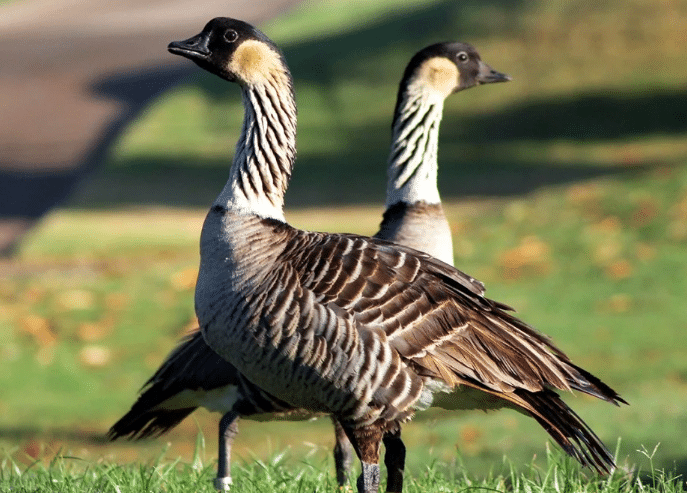
The Hawaiian goose, also known as the Nene, is the state bird of Hawaii and is found on the Big Island and other islands in Hawaii. It is listed as endangered due to habitat loss, hunting, and predation by introduced species such as mongoose and feral cats. The Nene plays an important role in the Hawaiian ecosystem, helping to spread the seeds of native plants and controlling populations of insects and other small animals.
Conservation efforts to safeguard the Nene include restoring natural habitats, safeguarding them against predators, and introducing captive breeding programs to reduce the chance of extinction.
Humpback Whale
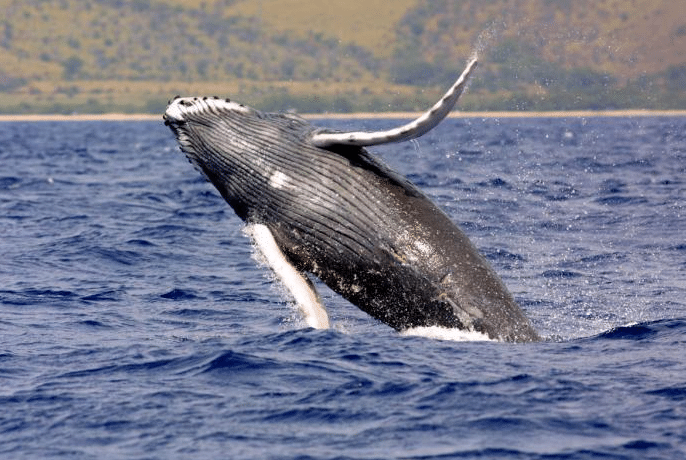
Humpback whales play a crucial role in the oceanic ecosystem, helping maintain the food chain balance and regulating populations of fish and other small animals. While not exclusive to the Big Island, humpback whales are a key part of the island’s ecosystem and economy. They migrate to Hawaii from Alaska yearly to mate and give birth and are threatened by habitat loss, hunting, and entanglement in fishing gear.
To protect humpback whales, conservation efforts have focused on regulating fishing gear and reducing the impact of human activities on whale habitats. Additionally, steps are underway to educate local communities and tourists about the importance of humpback whales and how to avoid accidental animal harm.
Hawksbill Turtle

The hawksbill turtle is a sea turtle species found around the Hawaiian Islands and listed as critically endangered. Hawksbill turtles play an important role in the marine ecosystem, helping to maintain the balance of the food chain and supporting the health of coral reefs. They are threatened by habitat loss, hunting, and entanglement in fishing gear.
Conservation efforts aimed at safeguarding hawksbill turtles include regulating fishing equipment, preserving and rehabilitating their habitats, and raising awareness among local communities and tourists on the significance of these turtles and how to prevent any unintended harm.
Did You Know About These Endangered Species On Big Island?
In conclusion, the Big Island of Hawaii is home to a diverse range of endangered species, each playing a crucial role in maintaining the health and balance of the island’s ecosystems. Conservation efforts are underway to protect these species from a range of threats, including habitat loss, hunting, and the impact of human activities. Through education, regulation, and habitat restoration, you can help ensure these endangered species’ survival and preserve the Big Island’s natural beauty and diversity for generations to come.