 By
By Pu’ukohola Heiau

Pu’ukohola Heiau is a sight to behold and a testament to the resiliency of the Hawaiian people. This ancient temple, commissioned and completed by King Kamehameha I in 1790-1791, was built entirely by hand and with materials from the surrounding Pololū Valley. Every rock used in its construction was brought to the site through a human chain alone – an incredible feat that can only be appreciated after visiting Pololū Valley in person. This is a sacred site, so visitors are asked not to enter or touch the Heiau.
However, they can still explore the grounds, learn about its history, and take in the sheer beauty of this incredible structure. A nearby visitor center also contains artifacts, images, and information on the Heiau’s construction and legacy.
Kaloko-Honokōhau National Historical Park
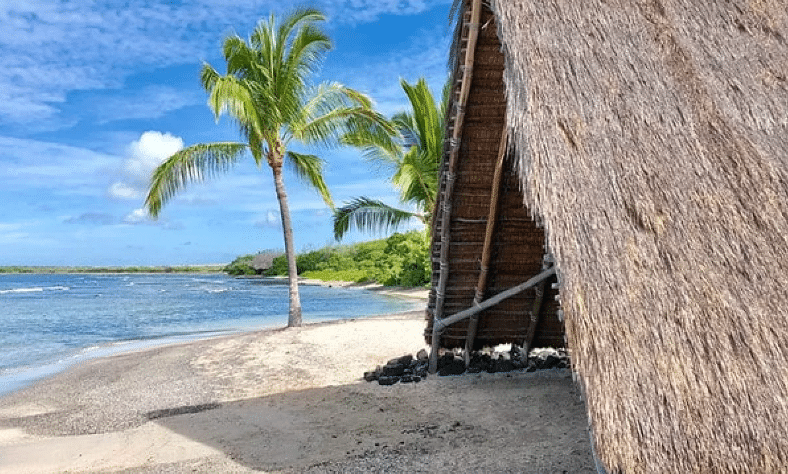
Kaloko-Honokōhau National Historical Park is an important reminder of Hawaii’s ancient customs and culture before contact with Europeans. It was once a thriving Hawaiian settlement situated on the beach next to Honokōhau Harbor. Examples of the fascinating feats of engineering left behind by these ancient peoples can still be seen today.
Highlights include the Heiau on the south side of the beach, a rebuilt thatch roof Hālau, and several dry rock masonry fishponds. A visit to this park is an excellent way to pay homage to Hawaii’s rich past and learn more about traditional marine life management practices like those used in ocean conservation for centuries.
Mo’okini Luakini Heiau
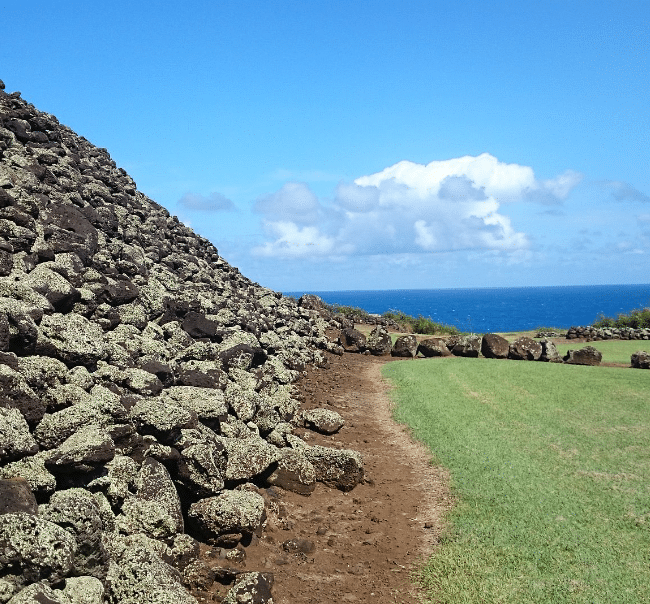
Mo’okini Luakini Heiau is a sacred place for the native Hawaiians and is believed to be one of the oldest religious sites in the Hawaiian Islands. The temple was initially built around 480 A.D. by High Priest Kuamoo Mookini, with walls just six feet tall. However, when Pa’ao, a powerful priest from Tahiti, arrived in 1,000 A.D., he ordered the walls to be significantly extended; now, some stand nearly 30 feet tall.
This is a remarkable feat given that the original stones were said to have been carried hand-to-hand from Pololu Valley nine miles away, according to family chants of the Mo’okini family. Despite numerous tests on its age and origin, Mo’okini Luakini Heiau remains an enigma shrouded in legend and myth, making it a uniquely special place of spiritual significance for locals and visitors alike.
Lapakahi State Historical Park
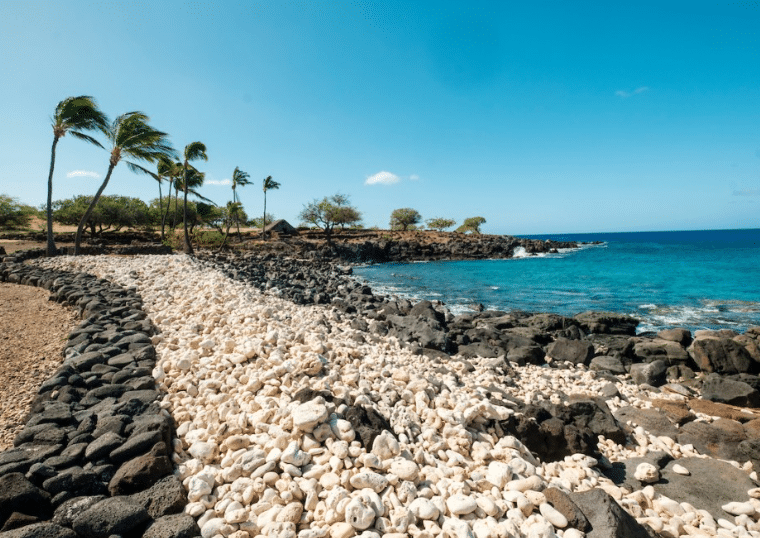
Lapakahi State Historical Park offers a fascinating glimpse into the state’s ancient Hawaiian culture. This park covers an area of 99 acres, including the ruins of an ancient fishing village Hawaiians inhabited during the 1300s-1400s. Visitors to the park can explore these archaeological remains and learn about traditional Hawaiian practices like dry farming and plantation engineering.
The terrain is also ideal for outdoor activities such as swimming, snorkeling, or kayaking in nearby waterways. With its picturesque scenery, unique landscapes, and abundant wildlife, Lapakahi State Historical Park provides a stimulating experience for all visitors and a rare opportunity to explore a piece of Hawaii’s past.
Enjoy These Truly Remarkable Ancient Hawaiian Cultural Sites!
The ancient Hawaiian cultural sites across the big island are a beautiful reminder of the teachings, beliefs, and traditions passed down through generations. Each location offers something special and unique with a story about Hawaii’s past. These sites are worth visiting, from the Heiau at Pololū Valley to Lapakahi State Historical Park. They provide a fascinating journey through the history of Hawaii and an appreciation for its beauty and culture that can’t be found anywhere else.