Dress Codes and Attire

Understanding and adhering to local dress codes is crucial for respectful cultural immersion. On the Big Island, attire varies based on the setting and occasion. Beachwear, while perfect for the island’s stunning beaches, is not appropriate in more formal settings such as churches or upscale restaurants. Tourists should be mindful of their attire, choosing clothes that are respectful of the local culture and appropriate for the occasion.
Traditional Hawaiian attire, such as the ‘aloha shirt’ and the ‘muumuu,’ is widely accepted and reflects the island’s relaxed and festive spirit. These garments, often adorned with bright, floral patterns, are not only comfortable in the tropical climate but also a nod to local traditions. For more formal occasions, such as attending a Hawaiian wedding or a cultural event, it’s advisable to inquire about specific dress codes.
Festivals and Celebrations

The Big Island’s calendar is dotted with festivals and celebrations that showcase its rich cultural heritage. Events like the Merrie Monarch Festival, a world-renowned hula competition, offer tourists a glimpse into the deep-rooted traditions of Hawaiian dance and music. These festivals are not just entertainment but vibrant expressions of the island’s history and people’s connection to their land and ancestors.
Visitors are encouraged to participate with sensitivity and respect when attending these festivals. It’s important to remember that while these events are joyous and welcoming, they are also deeply significant to the Hawaiian people. Tourists should engage in a manner that honors the traditions being showcased, whether by observing protocols during ceremonies or by appreciating the artistry without intruding on performers. By participating respectfully, visitors can truly appreciate the beauty and depth of Hawaiian culture.
Environmental Respect
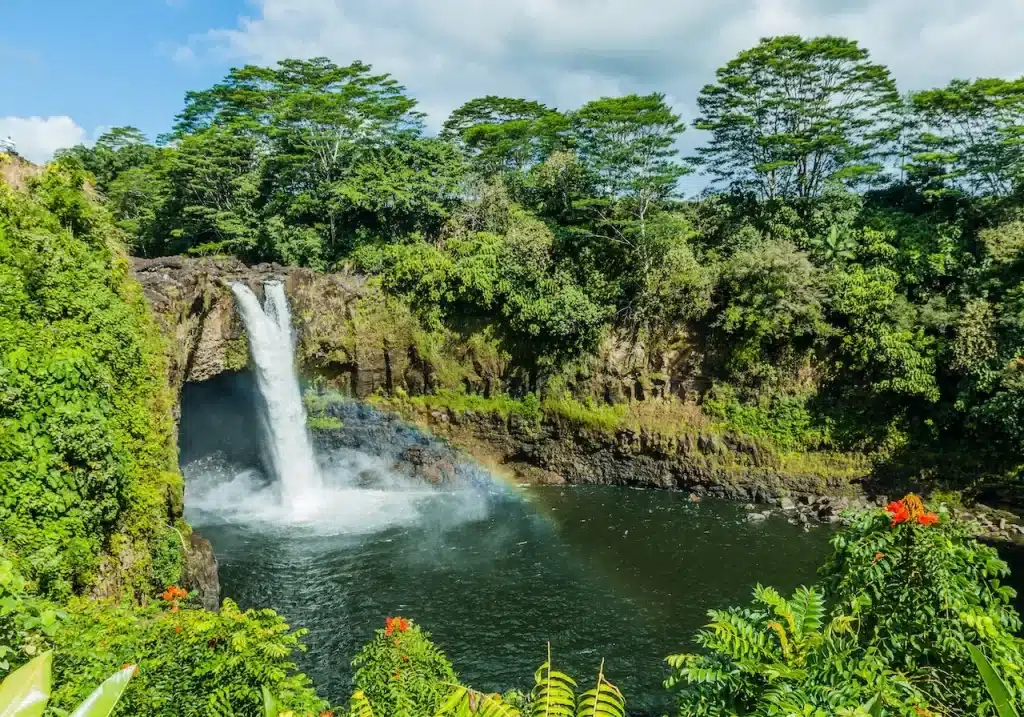
Respect for the environment, or ‘malama aina,’ is a core value in Hawaiian culture. The Big Island’s diverse ecosystems, from volcanic landscapes to lush rainforests, are deeply revered and carefully protected. Visitors are expected to share this respect, adhering to principles of conservation and sustainability during their stay.
This includes following guidelines for responsible tourism, such as staying on marked trails in national parks, not disturbing wildlife, and leaving natural areas pristine. The concept of ‘malama aina’ extends beyond conservation; it’s about connecting with the land and understanding its significance to the island’s culture and survival. Tourists who embrace these practices preserve the island’s natural beauty and deepen their experience, gaining a more profound appreciation for the land and its inhabitants.
Sacred Sites and Traditions
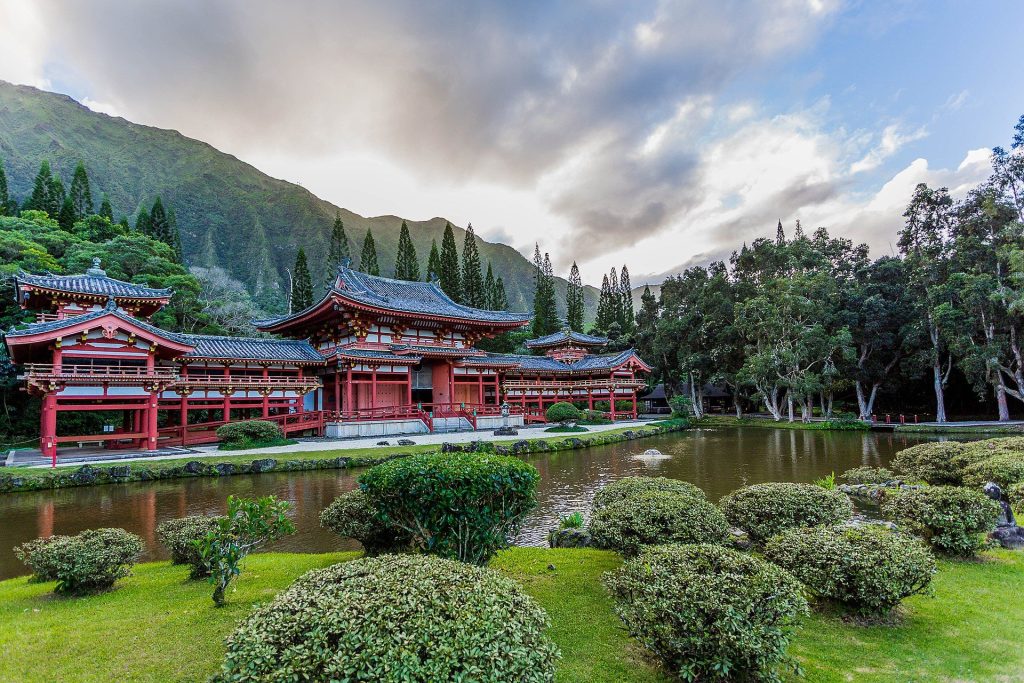
The Big Island has numerous sacred sites, from ancient heiaus (temples) to revered natural landmarks. These places hold immense cultural and spiritual significance for the Hawaiian people. Visitors are welcome to explore these sites, but doing so with the utmost respect and sensitivity is crucial.
This means adhering to posted guidelines, such as not removing rocks or other natural materials and being quiet and contemplative while visiting. Understanding the history and significance of these sites can greatly enhance the experience. It’s also an opportunity to reflect on the broader importance of preserving cultural heritage, not just for the benefit of tourists but for the island’s future generations.
Everyday Customs and Practices

Engaging with its everyday customs and practices is essential to truly experience the essence of the Big Island. This includes understanding the role of the ‘ohana, or family, in Hawaiian culture, which extends beyond blood relations to encompass the wider community. Visitors will often find that the spirit of ‘ohana infuses many aspects of life on the island, from casual social gatherings to business interactions.
Embracing the slower pace of island life, or ‘island time,’ is another aspect of adjusting to local customs. This more relaxed approach to life is not about inefficiency but appreciating the moment and valuing relationships over strict schedules. Tourists who adapt to this pace often find their experience on the Big Island more enjoyable and meaningful.
The Bottom Line
A visit to the Big Island is more than a vacation; it’s an opportunity to immerse oneself in a rich cultural tapestry and engage with ancient and evolving customs. By understanding and respecting local traditions, festivals, environmental practices, sacred sites, and everyday customs, tourists can truly connect with the essence of this remarkable island. The spirit of aloha, so deeply ingrained in Hawaiian culture, is not just a greeting but a way of life that emphasizes kindness, compassion, and mutual respect. Embracing this spirit can transform a simple holiday into a profound cultural journey.
