
Hawaii, a paradise teeming with vibrant life and lush landscapes, offers more than just its stunning beaches and breathtaking sunsets. Among its natural treasures are the colorful birds that inhabit these islands, many of which are unique to Hawaii and cannot be found anywhere else in the world. This guide aims to take you on a journey across the Hawaiian Islands, revealing where you can spot these magnificent avian creatures in their natural habitat. From the dense rainforests of Kauai to the volcanic landscapes of Maui, each location offers a chance to witness the diversity and beauty of Hawaii’s bird population.
Exploring the Rainforests of Kauai
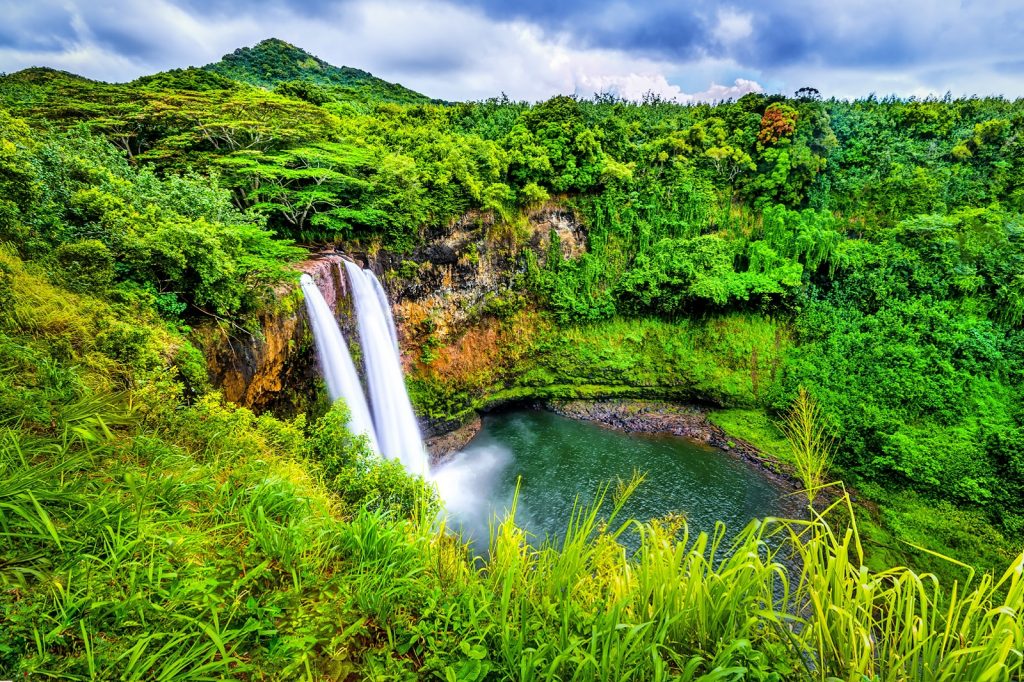
Kauai’s lush rainforests serve as a haven for the vibrant Kauai Amakihi, a small bird adorned with yellow-green plumage that sparkles against the backdrop of dense green foliage. These forests offer not only a sanctuary for these birds but also a chance for visitors to immerse themselves in the island’s natural beauty. The Kauai Amakihi thrives at various elevations, adapting seamlessly to its environment, making it a symbol of resilience and adaptability. For those eager to catch a glimpse of this charming bird, early mornings provide the best opportunity as the forest comes alive with their melodious calls.
Venturing into the heart of Kauai’s rainforests opens up a world where nature’s intricacies are on full display. The Alakai Wilderness Preserve, renowned for its biodiversity, stands out as a prime spot for birdwatchers aiming to spot the elusive Kauai Amakihi, among other endemic species. Here, the dense canopy and moist air create a unique ecosystem where these birds can flourish. Armed with binoculars and patience, visitors can enjoy the thrill of spotting these vibrant creatures, all the while being enveloped by the serene beauty of Kauai’s natural landscape.
Maui’s Haleakalā National Park
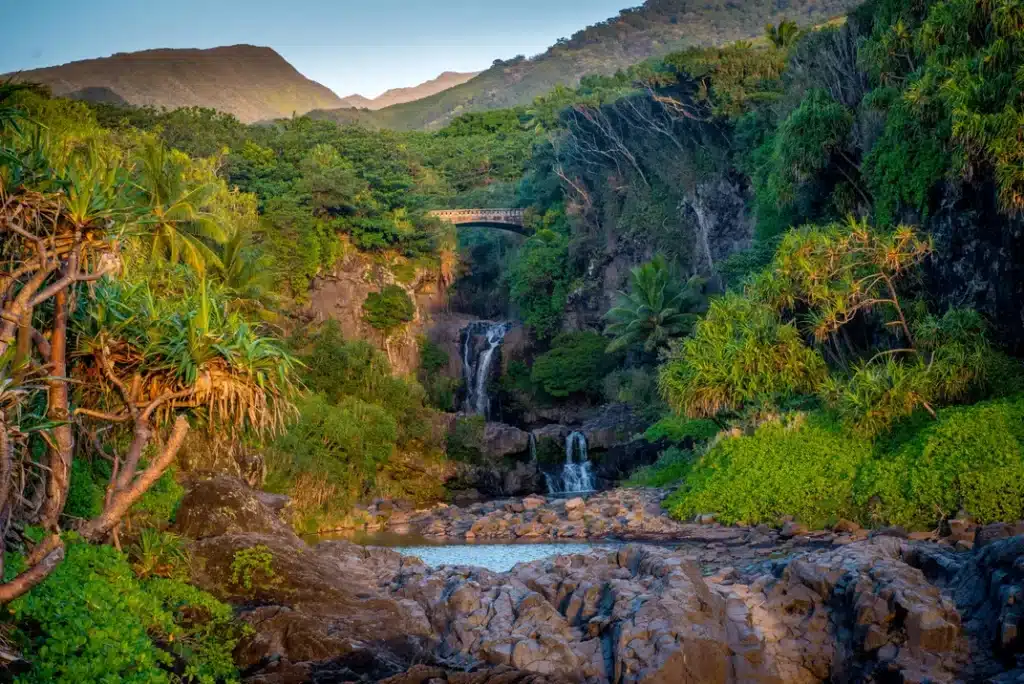
The stark, volcanic landscape of Maui’s Haleakalā National Park contrasts sharply with the greenery of Kauai, offering a unique backdrop for birdwatching. Here, the Nene, Hawaii’s state bird, roams freely, its soft, muted colors blending seamlessly with the volcanic terrain. The park also provides a refuge for the ‘I’iwi, a striking red bird with a distinctive sickle-shaped beak known for its vibrant plumage and significance in Hawaiian culture. Visitors to Haleakalā can witness these species amidst the awe-inspiring vistas of the park, where the natural beauty of Hawaii is displayed in its most raw form.
In addition to its geological wonders, Haleakalā National Park is a vital habitat for the conservation of Hawaii’s avian species. The park’s diverse environments, from its summit to the coast, create microhabitats that support a variety of bird life, including the rare ‘I’iwi. Early mornings on the trails offer the best chance to see these birds as they forage among the native flora. For those venturing into this majestic landscape, it’s a reminder of the importance of preserving these natural habitats, ensuring that future generations can continue to enjoy Hawaii’s bird watching treasures.
The Coastal Cliffs of Molokai
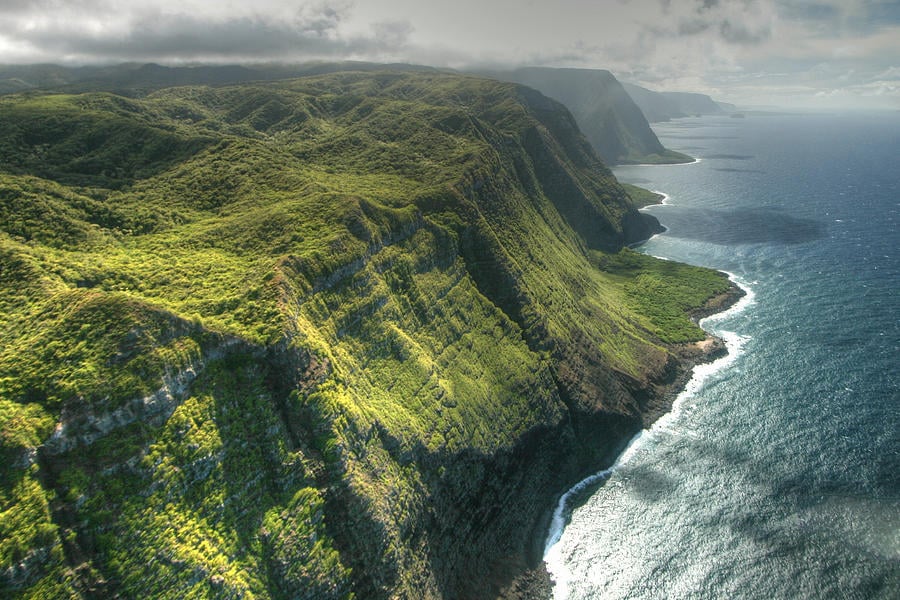
Molokai, with its dramatic sea cliffs and untouched landscapes, offers a starkly different setting for bird enthusiasts. The island’s rugged coastline is home to seabirds like the Red-footed Booby and the Great Frigatebird, which nest on the sheer cliffs overlooking the Pacific Ocean. These locations, accessible via hiking trails or boat tours, provide unparalleled opportunities to observe seabirds in their natural habitat. The sight of these birds soaring against the backdrop of Molokai’s cliffs is a testament to the island’s wild beauty and the adaptability of its avian residents.
The experience of watching seabirds on Molokai is enhanced by the understanding of their life cycles and migrations. The seasonal presence of certain species makes timing crucial for those hoping to spot specific birds. Moreover, the conservation efforts in place to protect these seabirds and their nesting areas highlight the delicate balance of Hawaii’s ecosystems. Observers are reminded of the importance of respecting these natural habitats, ensuring that Molokai’s coastal cliffs remain a sanctuary for seabirds for years to come.