 By
By Nestled in the heart of the Pacific, Hawaii’s Kona Coast is not only a paradise for nature enthusiasts but also a cultural hotspot that has grown over centuries. Encompassing the western side of the Big Island, Kona offers visitors a unique blend of diverse cultures, each with a distinct heritage, customs, and traditions. This post will take you on a journey exploring the cultural gems of the Kona Coast. From historical contexts to the influence of various immigrants, let’s delve into the cultural treasures that make Kona one of the most vibrant destinations in Hawaii.
The Historical Context Of The Kona Coast
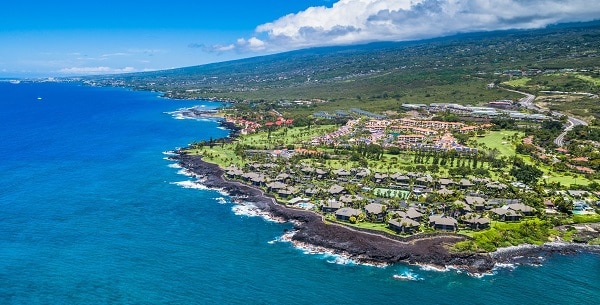
The cultural richness of the Kona Coast has deep roots, grounded in the island’s rich history. Native Hawaiians, the original inhabitants of the island, were a Polynesian people with an advanced society, rich mythology, and strong connection to the land and sea. Their traditions, preserved over centuries, form the bedrock of Kona’s cultural heritage. The arrival of Captain James Cook in the 18th century marked a turning point, as this initiated a period of significant change and interaction with cultures from around the world.
Over the centuries, waves of immigrants from various parts of the globe have also left their mark on Kona. Japanese, Portuguese, Chinese, and Filipinos came to work on sugar plantations in the 19th and early 20th centuries, bringing with them their unique traditions, languages, and cuisines. Each of these immigrant communities has influenced Kona’s cultural landscape, weaving a rich tapestry of diverse traditions that thrive alongside the indigenous Hawaiian culture.
The Vibrant Polynesian Culture
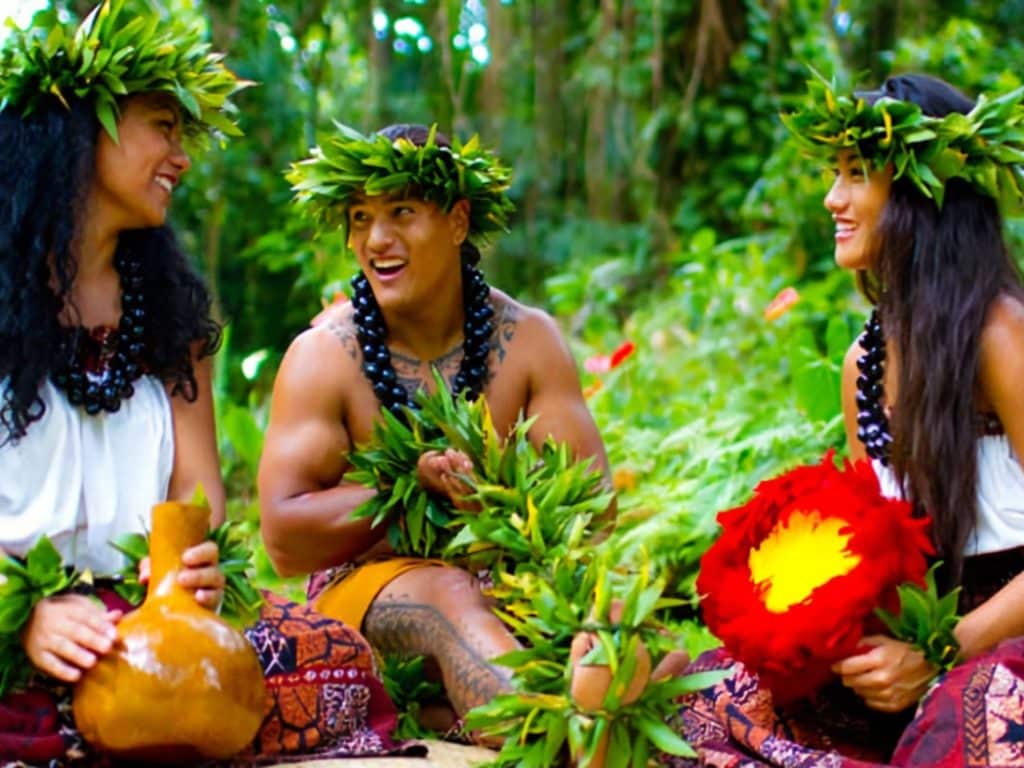
Polynesian culture forms the foundation of the cultural milieu of the Kona Coast. Rooted in respect for nature and community, traditional Hawaiian customs and practices continue to thrive and influence life on the island. The ‘ohana (family) remains central to Hawaiian society, encompassing not just immediate relatives but an extended network of kinship. This sense of belonging and shared responsibility is a strong thread that runs through Hawaiian culture, providing a sense of unity and aloha (love) amongst the community.
At the heart of Polynesian culture in Kona is the Hula, a traditional dance that tells stories through movement. The fluid hand movements, rhythmic sway of hips, and evocative chants encapsulate the spirit of the islands, conveying tales of gods, legends, and historical events. Similarly, the Luau feast, characterized by traditional foods such as Kalua pig and poi, is a communal celebration that encapsulates the joyous spirit of Hawaiian culture. These events are not mere tourist attractions but vital aspects of Hawaiian identity that continue to be significant in contemporary Kona.
The Impact Of Japanese Influence
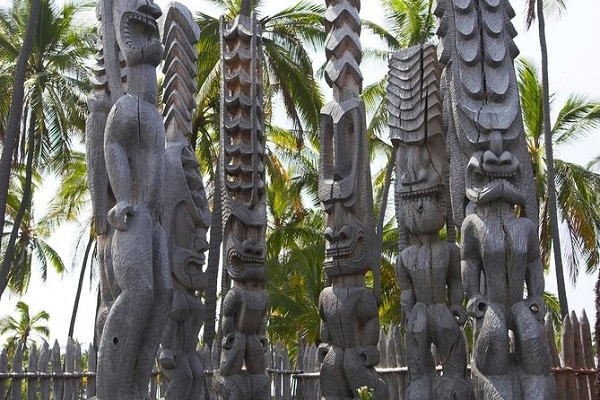
In the late 19th and early 20th century, large numbers of Japanese immigrants came to Hawaii, seeking work opportunities on the sugar plantations. They not only brought their labor but also their rich cultural traditions that significantly shaped the cultural landscape of the Kona Coast. Japanese influence can be seen in architecture, festivals, and cuisine, with sushi and saimin (noodle soup) becoming local favorites.
In Kona today, traditional Japanese events such as the Bon Dance are celebrated with gusto. This festival, held to honor the spirits of ancestors, involves community gatherings, folk dancing, and traditional music. Similarly, the practice of Japanese tea ceremonies continues, reflecting the Zen Buddhist philosophy of mindfulness and respect. These Japanese traditions have been preserved and adapted by the local community, providing a unique blend of cultural experiences that exemplify the multicultural heritage of the Kona Coast.